PM Zindani Reaffirms Support for Central Bank Independence in Yemen
 Yemen Herald News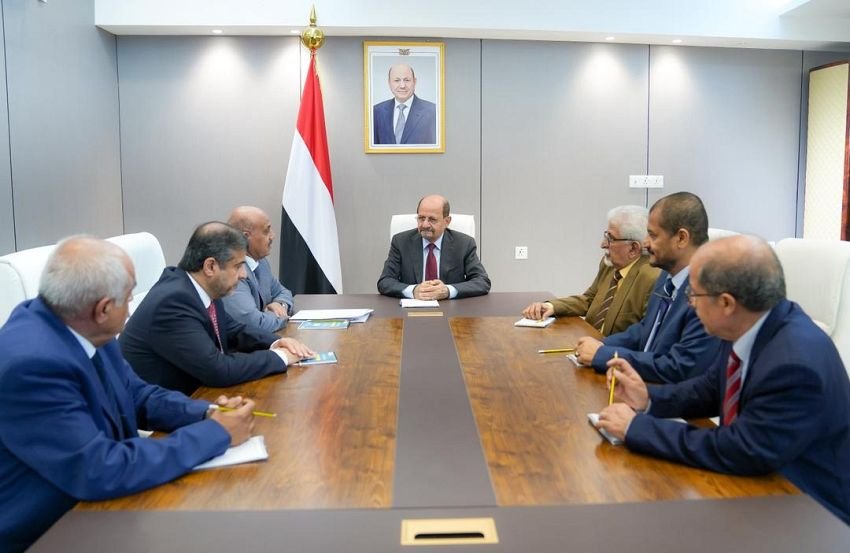
Yemen’s Prime Minister has reaffirmed the government’s commitment to upholding the independence of the Central Bank of Yemen, describing the bank’s autonomy as crucial to maintaining financial and monetary stability. Dr. Shaya Zindani stressed that strengthening the bank’s independence is essential to enabling it to fulfil its mandate and to rebuilding confidence in the national economy.
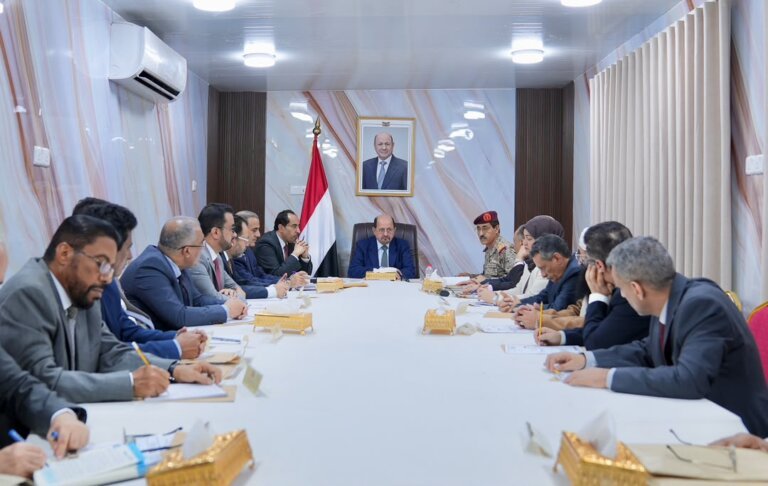
The meeting, held on Wednesday, brought together members of the Central Bank’s Board of Directors, led by Governor Ahmed Ghaleb al-Maabqi. Participants discussed recent financial and monetary developments and set out strategic priorities for the coming phase, amid the ongoing economic challenges facing the country.
During the session, Prime Minister Zindani received a detailed briefing from the Central Bank Governor on performance indicators from the first quarter. The report covered areas including internal and external balances, the execution of the public budget and the state of foreign exchange reserves, providing an overview of the country’s financial position.
The independence of a central bank is widely regarded as important to its ability to manage monetary policy effectively. Autonomy allows a central bank to pursue stability without undue political interference, and safeguarding it is often seen as essential to maintaining confidence in the currency and the broader financial system.
In Yemen, the central bank has faced extraordinary challenges during the conflict. The war has disrupted the economy, divided institutions and placed enormous strain on the country’s finances, complicating the bank’s efforts to manage monetary policy and to maintain stability in an exceptionally difficult environment.
The emphasis on financial and monetary stability reflects the centrality of these goals to the country’s economic situation. The depreciation of the currency and the resulting inflation have been among the most damaging consequences of the conflict, and stabilising the currency and the financial system is essential to easing the hardships facing the population.
Rebuilding confidence in the national economy, a goal highlighted by the prime minister, is closely tied to the stability and credibility of the central bank. Confidence in the currency and the financial system underpins economic activity, and restoring it is central to the prospects for recovery and to the functioning of the economy.
The briefing on first-quarter performance indicators reflects an emphasis on monitoring the country’s financial position. Tracking indicators such as balances, budget execution and reserves provides information essential to managing the economy and to making informed decisions, particularly important in a context of acute financial strain.
Foreign exchange reserves, among the areas covered in the briefing, are of particular importance to a country dependent on imports. Reserves are essential to financing imports of food, fuel and other necessities and to supporting the currency, and their management is a critical concern for a country in Yemen’s circumstances.
The execution of the public budget, also addressed, reflects the challenges of managing public finances amid the conflict. With revenues diminished and needs immense, the management of the budget is a demanding task, and monitoring its execution is important to maintaining fiscal discipline and to directing resources toward priorities.
The setting of strategic priorities for the coming phase reflects an effort to chart a course for monetary and financial policy. Articulating priorities can help guide the work of the central bank and coordinate efforts to address the challenges facing the economy, providing direction in a difficult and uncertain environment.
The government’s public commitment to the central bank’s independence carries significance for its relationships with international partners. International financial institutions and donors often emphasise the importance of central bank autonomy and sound monetary management, and affirming these principles can support the government’s engagement with them.
The role of the central bank extends beyond monetary policy to the broader functioning of the financial system. The bank oversees aspects of the banking sector and plays a part in the management of the country’s finances, making its effectiveness important to the stability and functioning of the economy as a whole.
Sustaining the stability that the government and the central bank seek will depend on a range of factors, including the broader economic situation and the trajectory of the conflict. Monetary and financial stability are difficult to maintain amid the pressures Yemen faces, and progress will require sustained effort and, ultimately, an easing of the conditions that have destabilised the economy.
The challenges confronting the central bank are compounded by the division of monetary authority that the war has produced. Since the relocation of the bank’s headquarters to Aden, rival centres have effectively administered monetary affairs in different parts of the country, complicating efforts to pursue a coherent policy and contributing to divergences in the value of the currency between regions. This fragmentation has made the task of maintaining stability far harder, and it lends particular weight to affirmations of the bank’s independence and mandate.
For ordinary Yemenis, the abstractions of monetary policy translate into the very concrete question of what their money can buy. The erosion of the currency has driven up the cost of food, fuel and other essentials, deepening hardship for households whose incomes have not kept pace. In that light, the government’s emphasis on rebuilding confidence in the central bank is bound up with the broader struggle to arrest the economic decline that has done so much to intensify the country’s humanitarian crisis.
For now, the meeting reaffirmed the government’s commitment to the independence of the Central Bank of Yemen and to the pursuit of financial and monetary stability. As the country contends with its economic challenges, the effectiveness and credibility of the central bank remain central to efforts to stabilise the economy and to rebuild confidence in it.
About the Author