Australia’s Arrest of Ben Roberts-Smith: A Turning Point in Accountability for War Crimes
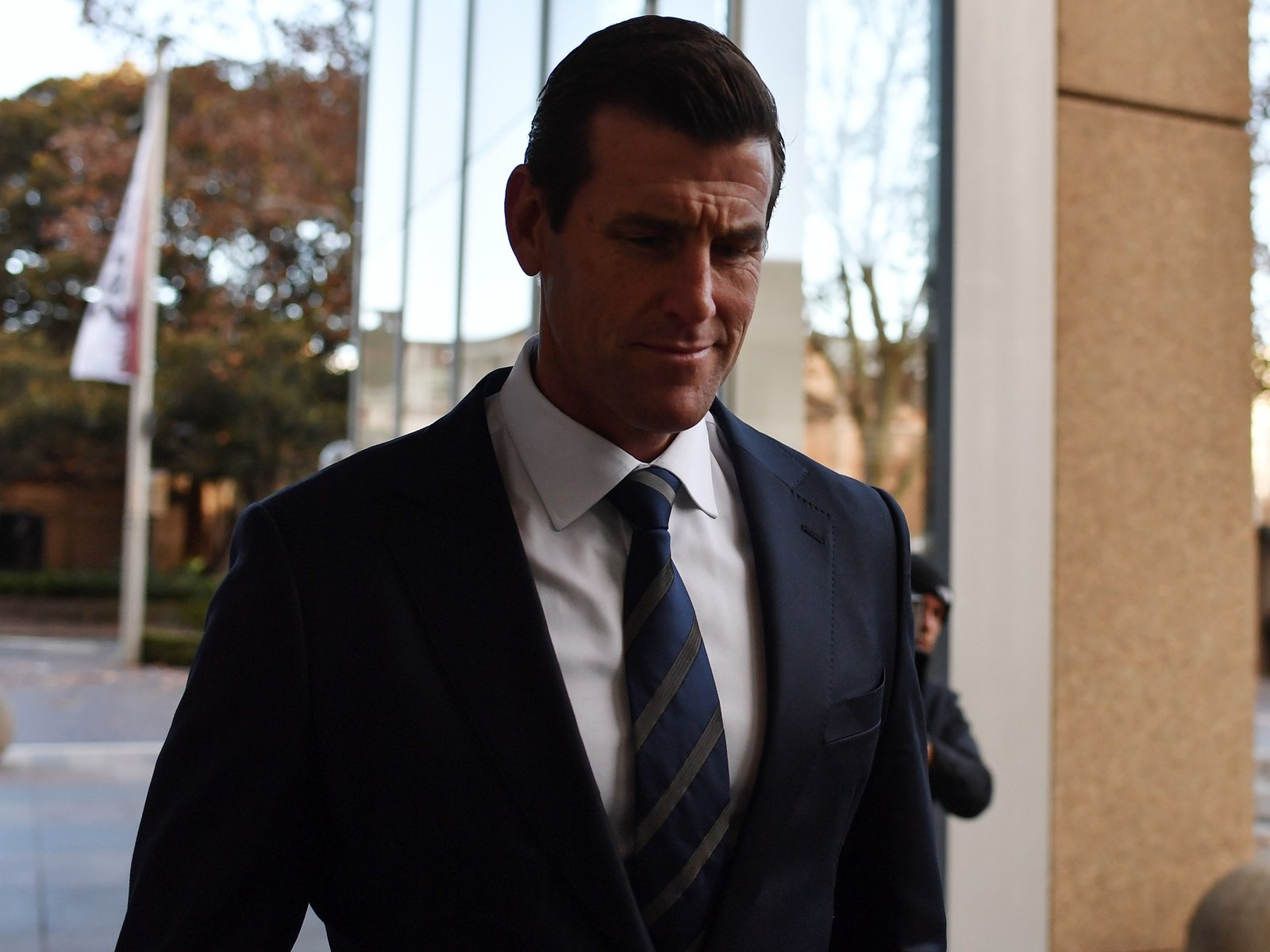
The arrest of former Australian soldier Ben Roberts-Smith at Sydney airport marks a watershed moment in the global discourse on military accountability, particularly regarding war crimes. This event not only underscores the complexities of Australia’s military engagements abroad but also raises critical questions about the ethical responsibilities of nations involved in international conflicts.
For over two decades, Australia has been a key player in the U.S.-led military operations in Afghanistan, contributing approximately 39,000 troops to combat the Taliban and other insurgent groups. The legacy of this involvement has been marred by allegations of war crimes committed by Australian special forces, including extrajudicial killings of unarmed Afghan civilians. The case of Ben Roberts-Smith, who was awarded the Victoria Cross for bravery, epitomizes the troubling intersection of valor and alleged criminality. His recent arrest follows a protracted legal battle in which he sought to clear his name against journalists who accused him of complicity in the murders of Afghan nationals. This legal saga has not only captivated the Australian public but has also drawn international scrutiny regarding the conduct of military personnel in conflict zones.
The Australian Federal Police (AFP) announced Roberts-Smith’s arrest, citing five counts of murder related to incidents where Afghan civilians were killed while not engaged in hostilities. This arrest is the culmination of a complex investigation that began in 2021, reflecting a growing commitment by Australian authorities to address allegations of war crimes. The significance of this development cannot be overstated; it signals a potential shift in how Australia handles allegations of military misconduct. The arrest follows a series of legal defeats for Roberts-Smith, including a defamation case against journalists that concluded with a court ruling affirming the validity of their claims. This legal backdrop sets the stage for a broader examination of accountability mechanisms for military personnel, particularly in light of international law obligations.
The implications of Roberts-Smith’s arrest extend far beyond the individual case. Politically, it challenges the narrative of Australian military exceptionalism and raises uncomfortable questions about the conduct of its armed forces. The Australian government has long prided itself on its adherence to international law and human rights standards; however, the allegations against Roberts-Smith and others cast a shadow over this reputation. Economically, the fallout from potential war crime prosecutions could affect Australia’s defense relationships, particularly with allies like the United States, who have also faced scrutiny over their military actions in Afghanistan. Security-wise, the arrest may embolden calls for greater transparency and accountability within the Australian Defense Force, potentially leading to reforms that could reshape military operations and oversight in future conflicts.
From a strategic perspective, the arrest of Roberts-Smith represents a critical juncture in the evolving landscape of military accountability. It highlights the increasing pressure on nations to uphold international humanitarian law and the consequences of failing to do so. The case may serve as a precedent for other countries grappling with similar allegations against their military personnel. Furthermore, it underscores the importance of independent investigations into military conduct, as seen in the role of the Office of the Special Investigator in this case. The risks associated with failing to address these issues are significant; they include potential diplomatic fallout, loss of public trust in military institutions, and the possibility of international legal repercussions. As the global community becomes more vigilant about war crimes, countries like Australia must navigate the delicate balance between national pride and accountability.
Looking ahead, the trajectory of Roberts-Smith’s case will likely influence the broader discourse on military accountability in Australia and beyond. The legal proceedings against him will be closely monitored, not only for their immediate implications but also for their potential to set a precedent for future cases involving military personnel accused of war crimes. There is a possibility that this case could catalyze a more comprehensive review of military conduct in Afghanistan, leading to further investigations and prosecutions. Additionally, it may prompt a reevaluation of Australia’s military engagement strategies and the ethical frameworks guiding its armed forces. The international community will be watching closely, as the outcomes of these proceedings could reverberate through global military policies and practices.
The arrest of Ben Roberts-Smith is a significant moment in the ongoing struggle for accountability in military operations. It challenges Australia to confront its past actions in Afghanistan and to uphold its commitments to international law. As the case unfolds, it will serve as a litmus test for the integrity of military institutions and the commitment of nations to justice for victims of war crimes. The implications of this case extend far beyond the courtroom; they resonate with the fundamental principles of human rights and the moral obligations of nations engaged in armed conflict. Australia stands at a crossroads, and the choices made in the coming months will define its legacy in the realm of military ethics and accountability.
About the Author