Trump’s Ultimatum: A Pivotal Moment in the Iran Conflict and Its Global Ramifications
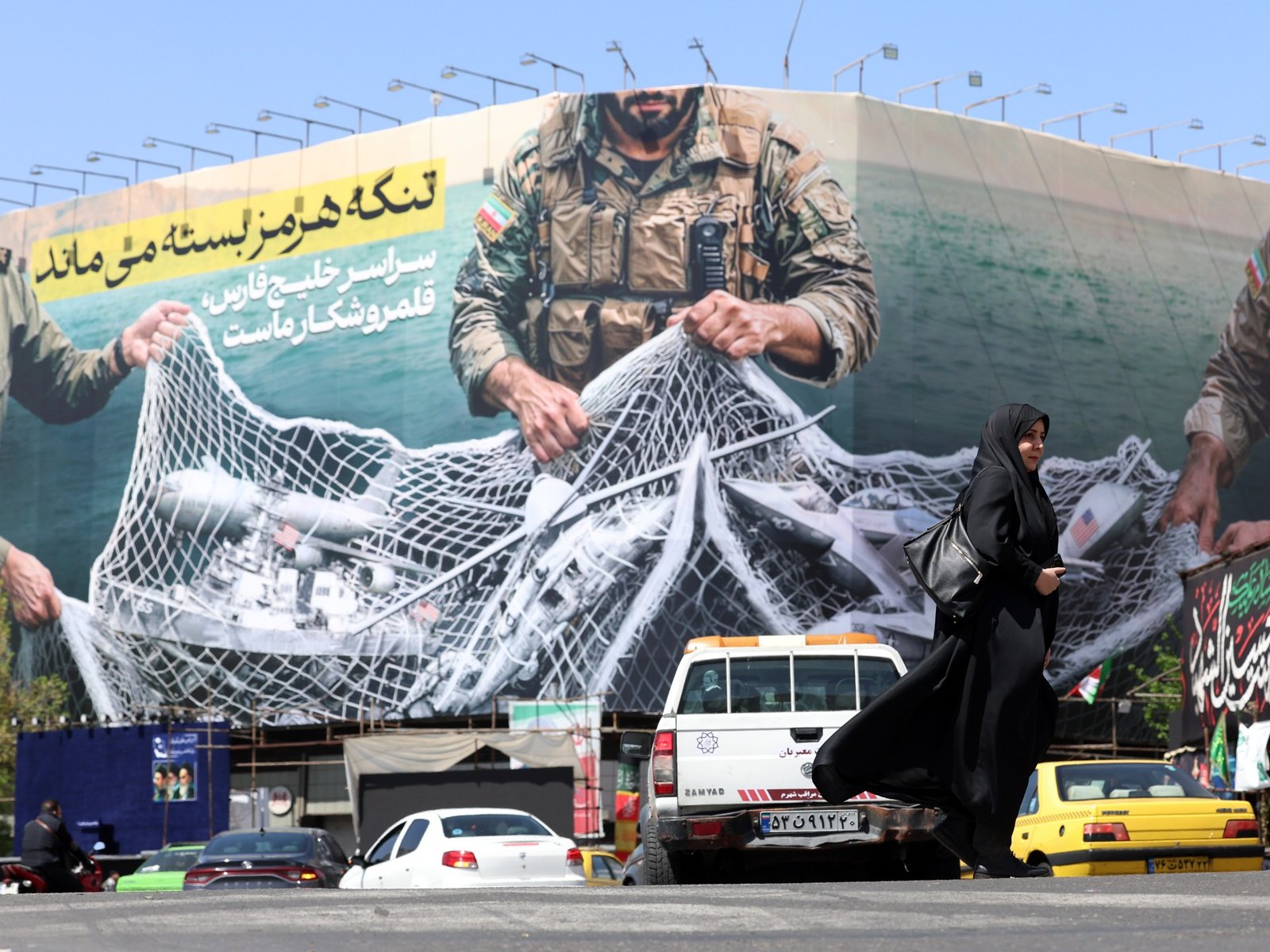
The geopolitical landscape is on the brink of a seismic shift as President Trump’s ultimatum to Iran escalates tensions in an already volatile region. This standoff not only threatens to reshape Middle Eastern alliances but also poses significant risks to global economic stability, particularly through the critical Strait of Hormuz.
The ongoing conflict between the United States and Iran has reached a critical juncture, exacerbated by a series of military engagements and retaliatory strikes. The backdrop of this confrontation is rooted in decades of animosity, punctuated by Iran’s nuclear ambitions and its support for proxy groups across the Middle East. The recent escalation began with Israeli and U.S. airstrikes against Iranian targets, prompting Iran to respond with missile attacks throughout the region. This cycle of violence has drawn in various regional players, complicating an already intricate geopolitical web.
The implications of this standoff are profound. Politically, the U.S. stance may solidify its position as a dominant force in the region, but it risks alienating allies who may view aggressive military action as reckless. Economically, the threat to the Strait of Hormuz—a vital artery for global oil supplies—has already led to fluctuations in oil prices, which could spiral further if military action ensues. The potential for conflict to disrupt oil shipments could trigger a global economic downturn, affecting not just the Middle East but economies worldwide. Security-wise, the ongoing hostilities could embolden extremist groups, leading to increased instability across the region.
From a strategic perspective, Trump’s ultimatum represents a gamble that could either reinforce U.S. dominance or lead to catastrophic consequences. The Iranian leadership, characterized by its defiance, is unlikely to yield to threats, viewing them as an affront to national sovereignty. The rejection of the ceasefire proposal indicates a broader strategy by Iran to position itself as a regional power unyielding to U.S. pressure. This dynamic could lead to a realignment of alliances, with countries like Russia and China potentially stepping in to support Iran, further complicating the geopolitical landscape. The risks of miscalculation are high, with both sides potentially underestimating the other’s resolve.
Looking ahead, several scenarios could unfold. If Iran continues to reject U.S. demands, military action seems inevitable, which could escalate into a broader conflict involving regional allies. Conversely, if diplomatic channels can be re-established, there may be a chance for a negotiated settlement, albeit one that may not satisfy all parties involved. The potential for a prolonged conflict could lead to a humanitarian crisis, further destabilizing the region and prompting international intervention. The situation remains fluid, with each development carrying significant consequences.
In conclusion, the ultimatum issued by President Trump marks a critical moment in the Iran conflict, with far-reaching implications for regional and global stability. As tensions mount, the world watches closely, aware that the decisions made in the coming days could alter the course of history. The stakes are high, and the need for strategic foresight has never been more urgent. The international community must grapple with the reality that the path forward is fraught with peril, and the consequences of failure could be dire.
About the Author