The Dangerous Escalation: Trump’s Threat to Iran’s Infrastructure and Its Regional Consequences
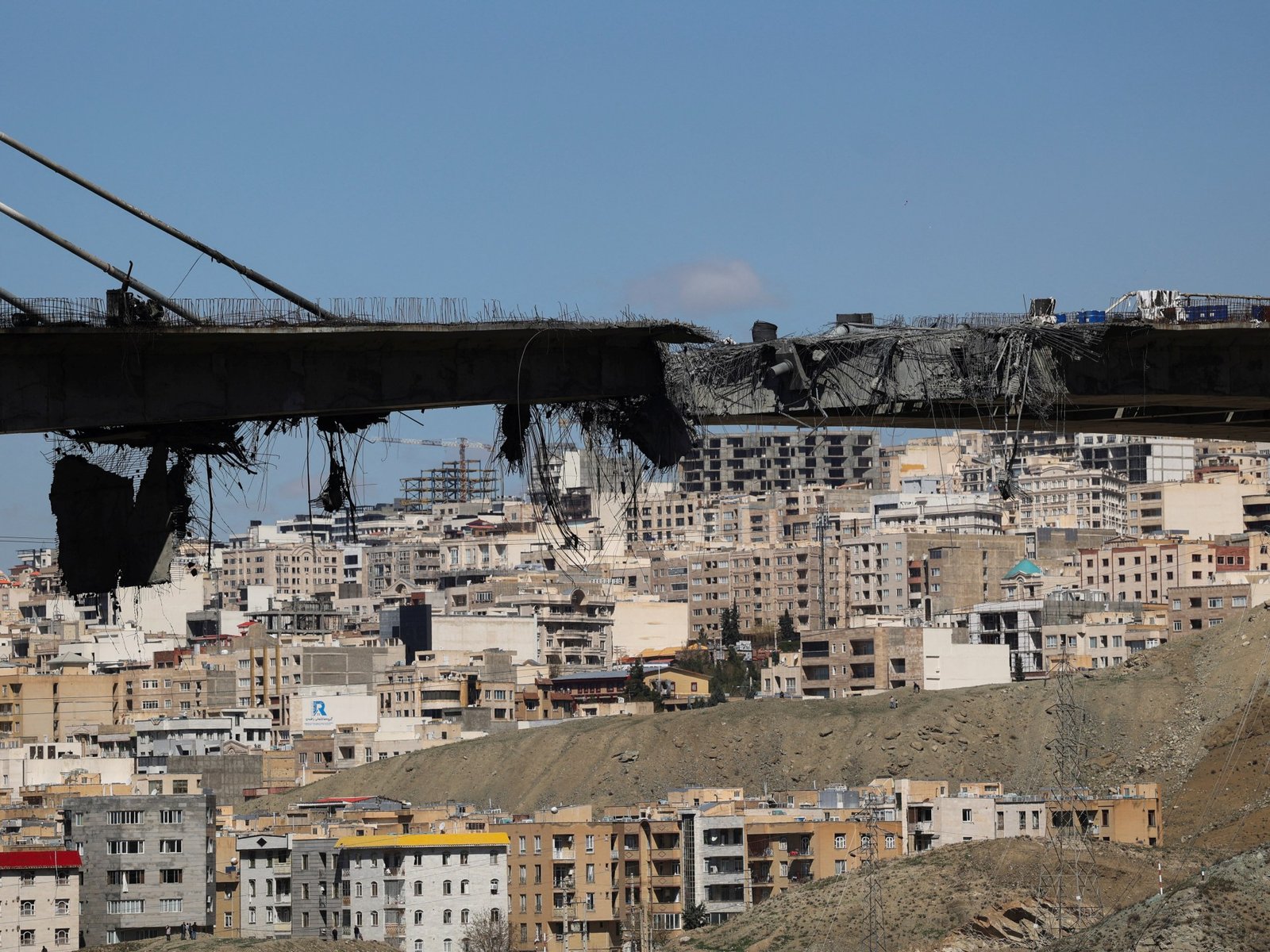
The stakes have never been higher as President Trump’s threats to obliterate Iran’s civilian infrastructure loom large over the Middle East. This aggressive posture not only risks a humanitarian catastrophe but also threatens to destabilize an already volatile region, with repercussions that could echo far beyond Iran’s borders.
The geopolitical landscape of the Middle East has been fraught with tension for decades, but the recent escalation between the United States and Iran marks a significant turning point. Following the U.S. withdrawal from the Joint Comprehensive Plan of Action (JCPOA) in 2018, Iran has faced crippling sanctions that have exacerbated its economic woes. The situation has only deteriorated since June 2025, when Israel launched a military campaign against Iran, prompting U.S. involvement. The ongoing conflict has drawn in various regional players, including Saudi Arabia and Qatar, each with their own vested interests in the outcome. As Trump intensifies his threats, the potential for a broader regional conflict becomes increasingly likely, with Yemen’s ongoing war serving as a grim reminder of the human cost of such geopolitical maneuvers.
The implications of Trump’s threats extend far beyond immediate military considerations. Politically, the U.S. risks alienating its allies in the Gulf, who are wary of escalating tensions that could spiral out of control. Economically, the potential for rising oil prices could have a detrimental effect on global markets, particularly as the world grapples with post-pandemic recovery. Security-wise, the likelihood of Iranian retaliation could lead to a cycle of violence that destabilizes not only the Gulf region but also impacts countries like Yemen, where Iranian-backed Houthi forces could intensify their attacks. The humanitarian crisis in Yemen, already one of the worst in the world, could worsen as regional powers become embroiled in a larger conflict.
From a strategic standpoint, Trump’s approach appears misguided. The notion that military might can compel Iran to capitulate is fundamentally flawed. Historical precedents suggest that increased pressure often leads to greater resistance, as evidenced by Iran’s steadfastness in the face of U.S. sanctions and military actions. The current trajectory suggests a dangerous escalation, with Iran likely to respond by targeting energy infrastructure across the region, further destabilizing markets and heightening tensions. The risk of miscalculation is significant, as regional actors may misinterpret signals, leading to unintended confrontations. The U.S. must consider the long-term ramifications of its actions, particularly as it relates to its standing in the region and its relationships with key allies.
Looking ahead, several scenarios could unfold. If Trump follows through on his threats, we could witness a rapid escalation of hostilities, with Iran retaliating against U.S. interests and allies in the region. This could lead to a full-scale conflict that engulfs the Gulf states and potentially draws in other powers, including Russia and China, who have vested interests in maintaining stability in the region. Alternatively, a diplomatic breakthrough, albeit unlikely, could emerge if cooler heads prevail and negotiations are prioritized over military action. However, given the current rhetoric and the entrenched positions of both the U.S. and Iran, the prospect of a peaceful resolution seems increasingly remote.
The situation in the Middle East is precarious, and Trump’s threats to destroy Iran’s infrastructure could have catastrophic consequences. The potential for a wider conflict looms large, with Yemen serving as a stark reminder of the human cost of geopolitical strife. As the U.S. navigates this complex landscape, it must weigh the immediate benefits of military action against the long-term implications for regional stability and global security. The time for diplomacy is now, before the region is plunged into a conflict from which there may be no return.
About the Author