Italy’s Suspension of Defence Pact with Israel: A Strategic Shift in the Middle East
The recent suspension of a defense agreement between Italy and Israel marks a significant geopolitical shift, reflecting Italy’s growing unease with Israel’s military actions in the Middle East. This decision is not merely symbolic; it signals a potential realignment in European attitudes towards Israel amidst escalating regional tensions.
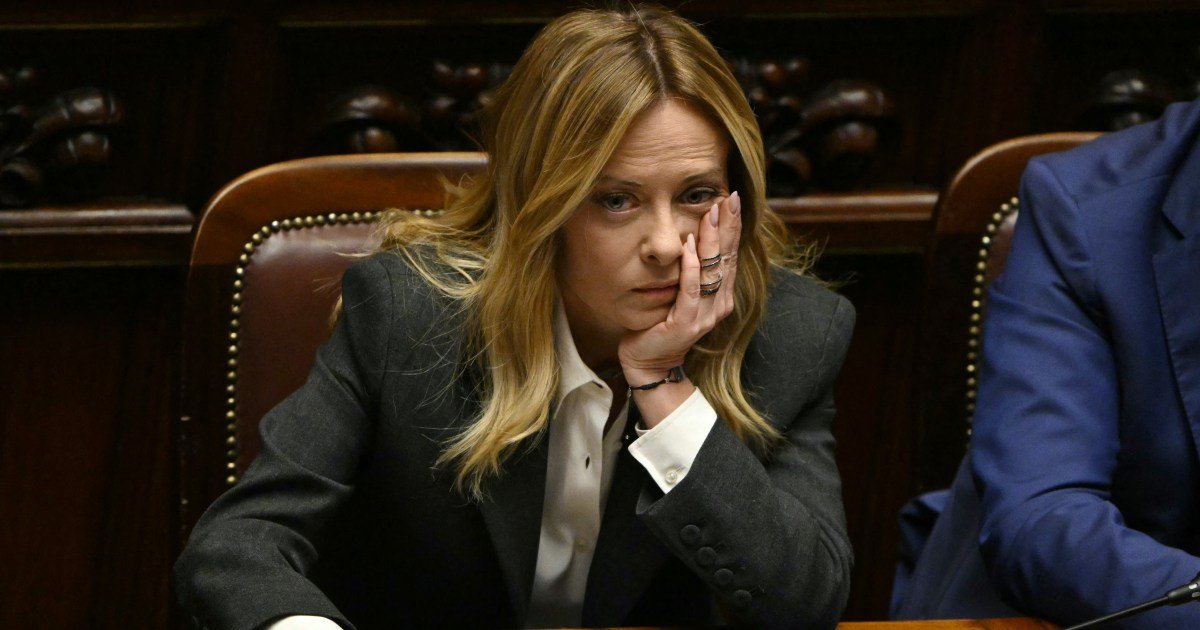
Italy has historically been one of Israel’s staunchest allies in Europe, often supporting its military and political maneuvers in the region. The defence memorandum, originally signed in 2003, established a framework for cooperation in defence procurement and military equipment. However, the geopolitical landscape has drastically changed, particularly in light of Israel’s recent military operations in Gaza and Lebanon, which have drawn widespread condemnation from various international actors, including Italy. The Italian government, led by Prime Minister Giorgia Meloni, has faced increasing pressure from both domestic and international fronts to reassess its unwavering support for Israel, especially as public sentiment in Italy has shifted towards a more pro-Palestinian stance.
The suspension of the defence pact was officially communicated through a letter from Italian Defence Minister Guido Crosetto to his Israeli counterpart, Israel Katz. The move comes on the heels of Italy’s Foreign Minister Antonio Tajani publicly condemning Israel’s military actions against civilians in Lebanon, which has further strained diplomatic relations. The Italian ambassador to Tel Aviv was summoned, indicating a serious diplomatic rift. While Israeli officials have downplayed the significance of the suspended agreement, claiming it lacked substantial content, the reality is that this decision reflects a broader discontent with Israel’s military strategy and its implications for regional stability.
The implications of Italy’s decision extend beyond mere diplomatic formalities. Politically, this move could embolden other European nations to reconsider their own military and economic ties with Israel, particularly as public opinion increasingly favors a more critical stance towards Israeli policies. Economically, Italy’s reliance on gas imports makes it vulnerable to disruptions in the Middle East, especially given the ongoing tensions surrounding Iran and the Strait of Hormuz. The suspension of the defence pact could also signal a shift in Italy’s foreign policy priorities, as the government seeks to balance its historical alliances with the need to respond to changing public sentiment and geopolitical realities.
Italy’s suspension of the defense agreement with Israel must be viewed through the lens of broader regional dynamics. The ongoing conflict in Gaza and the recent escalation in Lebanon complicate Italy’s position as it navigates its relationships with both Israel and Iran. The Italian government appears to be positioning itself as a mediator in the region, advocating for de-escalation and stability. This strategic pivot could be seen as an attempt to align Italy with European partners who are increasingly critical of Israel’s military actions. However, this approach carries risks, as it may alienate Italy from its traditional allies in the region and complicate its role in future negotiations involving Iran and other Middle Eastern powers.
Looking ahead, Italy’s foreign policy will likely continue to evolve in response to both domestic pressures and international developments. The upcoming elections in Italy will play a crucial role in shaping the government’s stance on foreign affairs. If public discontent over the war in the Middle East persists, Meloni may be compelled to adopt a more critical approach towards Israel, potentially leading to further diplomatic rifts. Conversely, if tensions in the region escalate, Italy may find itself drawn back into a more supportive role for Israel, particularly under pressure from the United States. The delicate balance between maintaining historical alliances and responding to changing public sentiment will be a defining challenge for Italy’s leadership in the coming months.
Italy’s suspension of its defence pact with Israel is a watershed moment that underscores the shifting geopolitical landscape in the Middle East. As European nations grapple with the implications of Israel’s military actions, Italy’s decision reflects a growing recognition that unwavering support for Israel may no longer be tenable. The ramifications of this move will reverberate throughout the region, influencing not only Italy’s foreign policy but also the broader dynamics of European engagement in Middle Eastern affairs. As the situation evolves, Italy’s ability to navigate these complex waters will be critical in shaping its future role on the global stage.
About the Author