Revitalizing Yemen’s Electricity Sector: A Crucial Step Towards Economic Stability
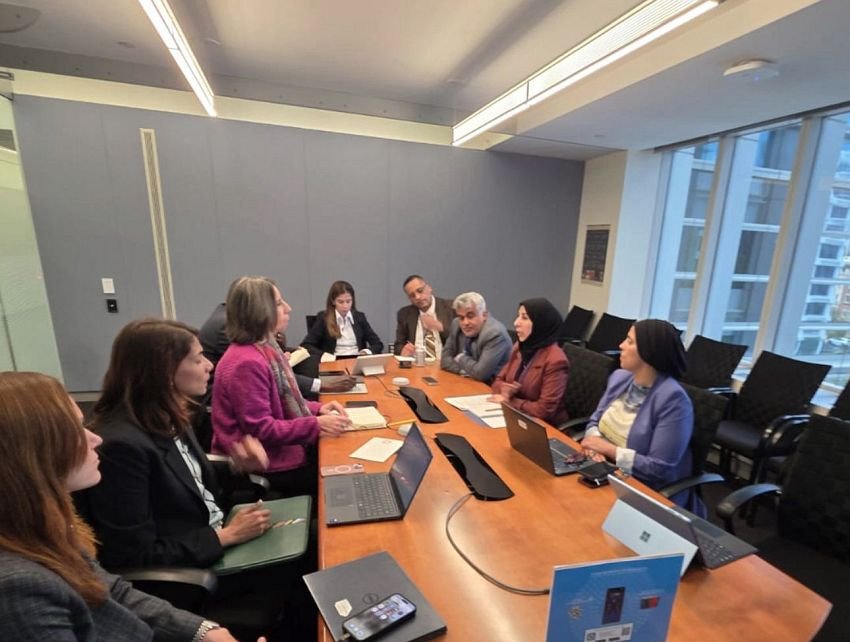
The recent discussions between Yemen’s Minister of Planning and the International Finance Corporation (IFC) mark a pivotal moment in the country’s ongoing struggle for economic recovery and stability. This engagement is not merely about electricity; it represents a broader strategy to harness private sector potential in a nation battered by years of conflict.
Yemen’s electricity sector has long been a victim of neglect and mismanagement, exacerbated by the ongoing civil war that has devastated infrastructure and crippled economic activity. With a population of over 30 million, the demand for reliable electricity has surged, yet the generation capacity remains woefully inadequate. The World Bank and IMF meetings provide a critical platform for Yemen to seek international support, particularly in the context of public-private partnerships (PPPs) that can inject much-needed investment into the energy sector. The government’s shift from a relief-based approach to a development-oriented strategy signifies a recognition that sustainable economic growth hinges on revitalizing essential services like electricity.
During the recent discussions, Dr. Afrah al-Zouba emphasized the government’s commitment to fostering a conducive environment for private sector involvement in development projects. The approval of a public-private partnership policy and the establishment of a specialized unit within the Prime Minister’s Office are significant steps toward operationalizing this vision. The focus on pilot projects indicates a strategic approach to demonstrate the viability of PPPs, which could attract further investment. Additionally, the Minister of Electricity and Energy, Eng. Adnan Al-Kaf highlighted the critical gap between electricity demand and generation capacity, underscoring the urgency of these initiatives. IFC’s involvement, particularly in solar power generation and the development of bankable power purchase agreements, signals a shift towards sustainable energy solutions that could transform Yemen’s energy landscape.
The implications of these developments are profound. Politically, the establishment of a robust public-private partnership framework could enhance the legitimacy of the Yemeni government in the eyes of both domestic and international stakeholders. By actively engaging the private sector, the government can create job opportunities, particularly for the youth, which is crucial in a country where unemployment rates are alarmingly high. Economically, successful implementation of these projects could lead to improved electricity supply, fostering a more favorable environment for businesses and attracting foreign investment. Security-wise, a stable electricity supply can contribute to social stability, reducing the grievances that fuel conflict. However, the success of these initiatives hinges on the government’s ability to maintain unity within its institutions, particularly the Central Bank of Yemen, to ensure economic stability amidst ongoing challenges.
The strategic implications of this partnership extend beyond immediate economic benefits. The focus on renewable energy, particularly solar power, aligns with global trends towards sustainability and could position Yemen as a potential leader in green energy within the region. But this ambition is fraught with risks. The ongoing conflict poses significant challenges to project implementation, and the government must navigate a complex landscape of local and international interests. Furthermore, the reliance on external financing raises questions about sovereignty and the long-term implications of foreign investment in critical infrastructure. The potential for power shifts within the region, particularly as neighboring countries also seek to diversify their energy sources, adds another layer of complexity to Yemen’s strategic positioning.
Looking ahead, several scenarios could unfold. If the government successfully implements its public-private partnership strategy, we could see a gradual improvement in the electricity sector, leading to broader economic recovery. This could also enhance Yemen’s standing in international forums, potentially attracting further investment and support. Conversely, failure to effectively manage these partnerships could exacerbate existing tensions and lead to disillusionment among the populace, particularly if promised improvements do not materialize. The government must also be vigilant against potential disruptions from opposing factions that may seek to undermine progress. Ultimately, the path forward will require a delicate balance of governance, investment, and security to ensure that Yemen’s electricity sector can emerge as a cornerstone of its economic revival.
The discussions between Yemen’s Minister of Planning and the IFC represent a critical juncture for the country’s future. By prioritizing public-private partnerships in the electricity sector, Yemen is not only addressing immediate energy needs but also laying the groundwork for long-term economic stability and growth. The success of this initiative could serve as a model for other sectors, reinforcing the importance of private sector engagement in rebuilding a nation that has suffered immensely. As Yemen navigates this complex landscape, the eyes of the region and the world will be watching closely, eager to see if this renewed focus on development can indeed transform the country’s fortunes.
About the Author