The Iran War: A Crucial Crossroads for Regional Stability and Global Energy Security
 Yemen Herald News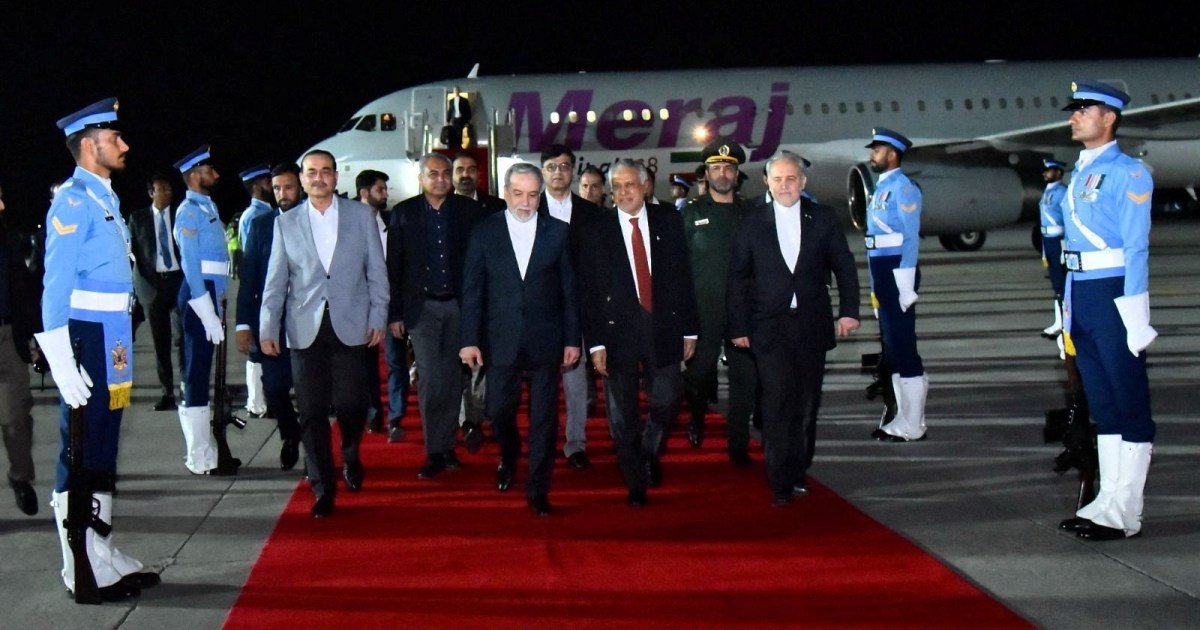
As the Iran War enters its 57th day, the geopolitical landscape is fraught with tension and uncertainty. The recent dispatch of U.S. envoys to Pakistan signals a pivotal moment in the ongoing conflict, with implications that extend far beyond the immediate region. The stakes are high, and the outcomes of these negotiations could reshape the balance of power in the Middle East and influence global energy markets.
The Iran War has escalated tensions not only within the Middle East but also across global geopolitical lines. The conflict, rooted in Iran’s contentious nuclear ambitions and its support for proxy groups throughout the region, has drawn in major powers, including the United States, Russia, and China. The U.S. has maintained a hardline stance against Iran, particularly under the Trump administration, which has sought to isolate Tehran economically and diplomatically. The recent military buildup in the Gulf, including the deployment of three U.S. aircraft carriers, underscores the seriousness with which Washington views the situation. Meanwhile, Iran’s strategic position in the Strait of Hormuz, a vital chokepoint for global oil shipments, adds another layer of complexity to the conflict.
Recent developments indicate a critical juncture in U.S.-Iran relations. U.S. envoys Steve Witkoff and Jared Kushner are set to meet with Iranian Foreign Minister Abbas Araghchi in Pakistan, a move that reflects a potential thaw in negotiations that have been stalled for weeks. The U.S. has also taken aggressive steps to freeze $344 million in cryptocurrency assets linked to Iran, aiming to increase pressure on Tehran amid ongoing energy supply disruptions caused by the war. This financial maneuver is part of a broader strategy to cripple Iran’s economy and limit its ability to fund militant activities across the region.
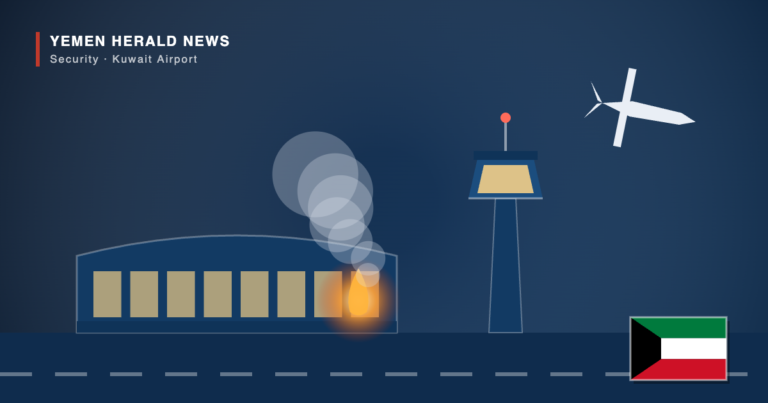
In parallel, the situation in the Gulf remains volatile, with incidents such as drone attacks on Kuwaiti border posts highlighting the risks of escalation. The European Council has called for the immediate reopening of the Strait of Hormuz, emphasizing the urgency of restoring stability to a region that is critical for global energy supplies. As diplomatic efforts unfold, the uncertainty surrounding Iran’s willingness to engage in renewed negotiations looms large.
The ramifications of the ongoing conflict are profound, affecting political, economic, and security dynamics both regionally and globally. Politically, the deadlock in negotiations has led to increased hostilities, with Iran continuing to assert its influence through proxy groups in Iraq, Syria, and Lebanon. The U.S. sanctions targeting Iran’s oil network further complicate the situation, as they not only aim to weaken Tehran but also risk destabilizing the economies of its allies and partners in the region.
Economically, the war has strained global energy markets, with the International Energy Agency warning of tight liquefied natural gas (LNG) markets through 2026 and 2027. Oil prices have shown volatility, with Brent crude hovering above $105 a barrel, reflecting concerns over supply disruptions. The mixed performance of oil stocks indicates a market grappling with uncertainty, as investors weigh the potential for further escalation against the backdrop of a recovering global economy.
From a strategic perspective, the current phase of the Iran War presents both opportunities and risks for regional players. The U.S. military buildup in the Gulf serves as a deterrent against Iranian aggression but also risks provoking a more aggressive response from Tehran. The involvement of Pakistan as a mediator highlights the shifting alliances in the region, as Islamabad seeks to position itself as a key player in facilitating dialogue. However, the lack of clarity regarding direct talks raises questions about the effectiveness of these diplomatic efforts.
Moreover, the ongoing conflict has the potential to exacerbate sectarian tensions within the region, particularly between Sunni-majority states and Shiite Iran. The accusations by Israeli Prime Minister Benjamin Netanyahu against Hezbollah for attempting to sabotage peace efforts with Lebanon illustrate the fragile nature of regional alliances. As the situation evolves, the potential for miscalculation and unintended escalation remains a significant concern.
Looking ahead, several scenarios could unfold as the Iran War continues. If negotiations succeed, there may be a pathway to de-escalation, allowing for a potential return to the Joint Comprehensive Plan of Action (JCPOA) and a reduction in hostilities. However, the entrenched positions of both the U.S. and Iran suggest that a breakthrough is far from guaranteed. Alternatively, if talks collapse, we could witness a further intensification of military actions, with Iran potentially retaliating against U.S. interests in the region.
Additionally, the role of external actors, such as Russia and China, will be crucial in shaping the future dynamics of the conflict. As these powers seek to expand their influence in the Middle East, their involvement could either stabilize or further complicate the situation. The potential for a broader regional conflict cannot be discounted, particularly if key players perceive their interests to be threatened.
The Iran War is at a critical juncture, with the potential to reshape the geopolitical landscape of the Middle East and beyond. As U.S. envoys engage in high-stakes diplomacy in Pakistan, the outcome of these negotiations will have far-reaching implications for regional stability and global energy security. The interplay of military might, economic sanctions, and diplomatic efforts will determine the future trajectory of this conflict. Stakeholders must navigate this complex environment with caution, as the risk of escalation remains ever-present.
About the Author