Mexico’s Sinaloa State Governor Resigns: A Geopolitical Shift in Drug Trafficking Dynamics
 Yemen Herald News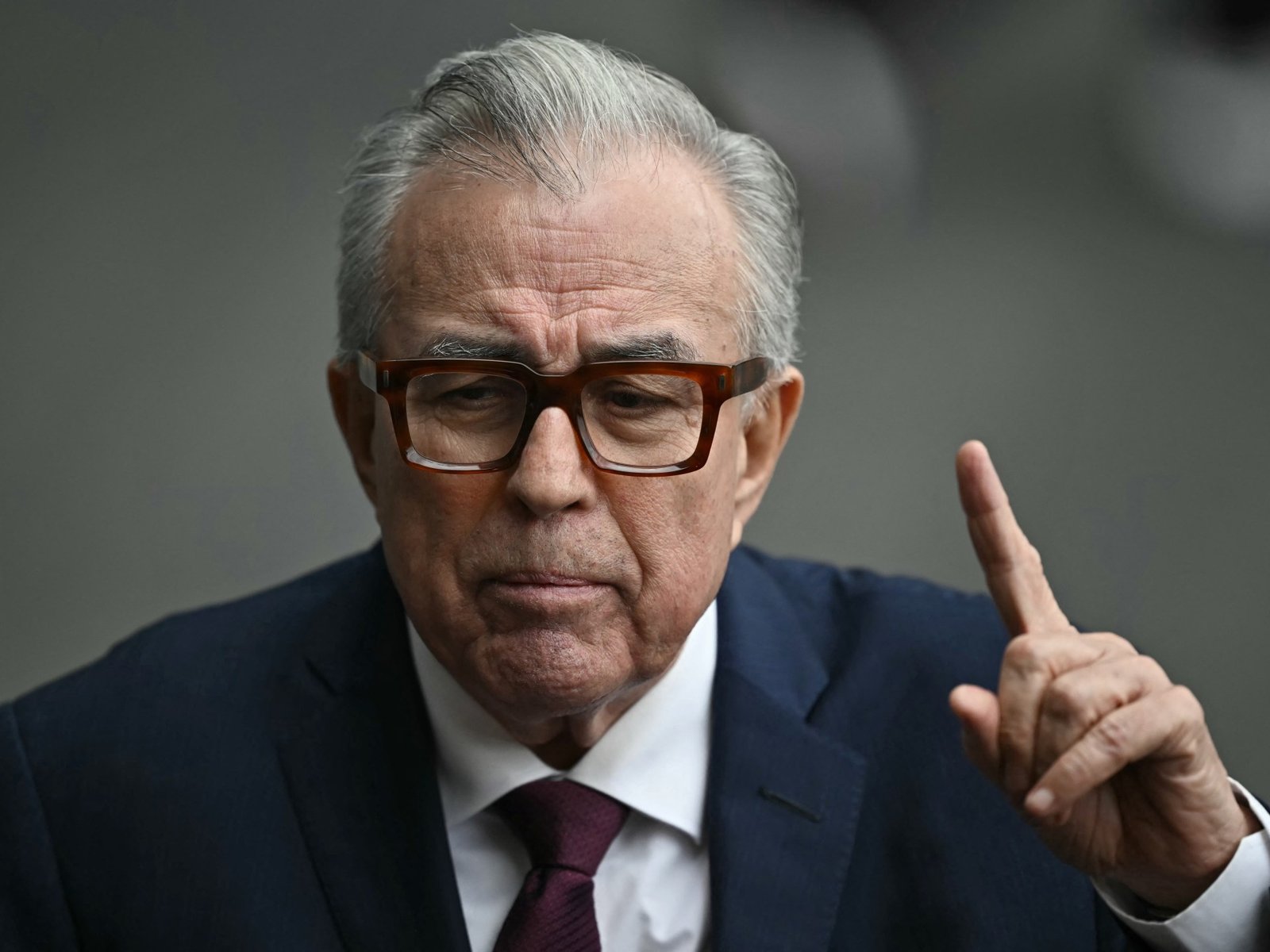
The resignation of Sinaloa’s governor amid U.S. drug trafficking charges marks a pivotal moment in the ongoing battle against narcotics and organized crime, with implications that extend far beyond Mexico’s borders. This event not only highlights the deep-rooted corruption within Mexican politics but also signals a potential shift in U.S.-Mexico relations, which could reverberate throughout the Americas.
The Sinaloa cartel has long been a dominant force in the drug trade, notorious for its extensive network and violent tactics. The recent indictment of Governor Ruben Rocha Moya and other officials underscores the intricate connections between political power and organized crime in Mexico. The allegations suggest a systemic failure of governance, where political leaders allegedly collude with criminal organizations to maintain their grip on power. This relationship has been exacerbated by the historical context of U.S. intervention in Latin America, where American policies often prioritize short-term security gains over long-term stability and democratic integrity.
Ruben Rocha Moya’s resignation comes in the wake of a sweeping indictment by U.S. authorities, which accuses him and nine other officials of facilitating the Sinaloa cartel’s operations in exchange for political support and bribes. The charges detail a disturbing narrative of intimidation tactics employed by cartel members, including the kidnapping of opposition candidates during the 2021 elections. The indictment not only tarnishes Rocha Moya’s political career but also casts a shadow over the legitimacy of the current Mexican administration led by President Claudia Sheinbaum, who has been navigating a precarious relationship with the U.S. government.
The implications of Rocha Moya’s resignation are profound. Politically, it raises questions about the integrity of the electoral process in Mexico and the extent of cartel influence over governance. Economically, the fallout could deter foreign investment in a region already plagued by violence and instability. The U.S. indictment represents a significant escalation in the ongoing war against drug trafficking, potentially leading to increased military and economic pressure on Mexico. The situation could further strain U.S.-Mexico relations, as President Sheinbaum has publicly challenged the legitimacy of the charges, framing them as politically motivated. The potential for a diplomatic rift looms large, with both nations needing to navigate the complexities of sovereignty and law enforcement cooperation.
The strategic landscape in Mexico is shifting. The U.S. has historically relied on a militarized approach to combat drug trafficking, but the indictment of elected officials marks a new phase that could redefine the parameters of U.S.-Mexico cooperation. Experts suggest that this could be seen as a “nuclear option,” indicating a willingness to confront corruption at the highest levels of government. However, this approach carries significant risks, including the potential for backlash from Mexican citizens who may view U.S. actions as an infringement on national sovereignty. Power dynamics within Mexico are also at play, as rival cartels may exploit the situation to gain influence, leading to increased violence and instability.
Looking ahead, several scenarios could unfold. If the U.S. continues to pursue charges against Mexican officials, it may lead to a broader crackdown on corruption, but it could also provoke a nationalist backlash that undermines cooperation. Alternatively, if the Sheinbaum administration can effectively distance itself from the allegations and demonstrate a commitment to reform, it may stabilize relations with the U.S. and restore some degree of confidence among investors. However, the entrenched nature of cartel influence suggests that any attempts at reform will be met with significant resistance, both from within the political system and from organized crime itself.
The resignation of Sinaloa’s governor is not merely a political event; it is a reflection of the deep-seated issues plaguing Mexico’s governance and its relationship with the United States. As the situation unfolds, the world will be watching closely to see how both nations navigate this critical juncture. The stakes are high, and the potential for both positive change and further destabilization looms large in the shadows of this unfolding drama.
About the Author