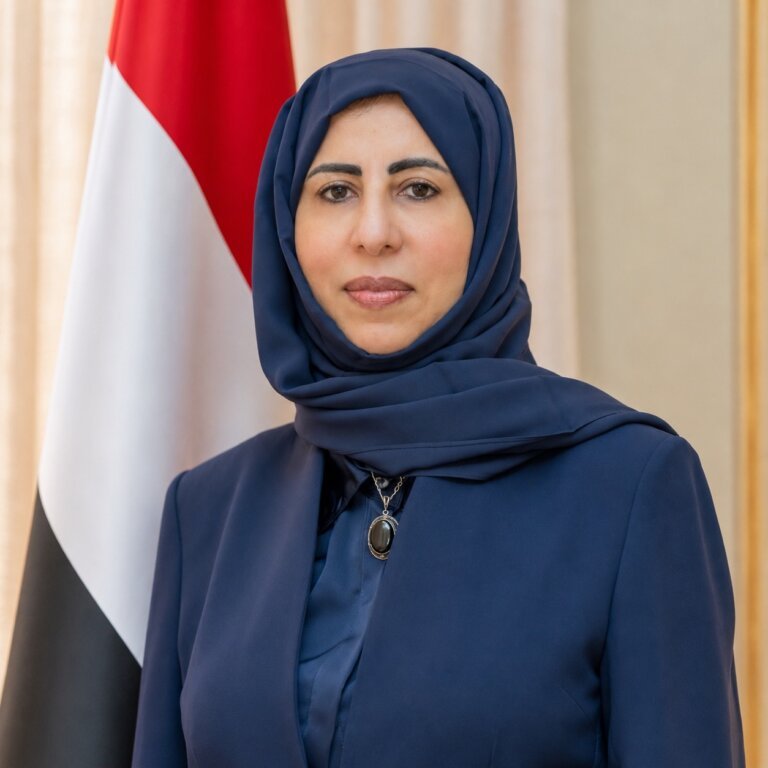
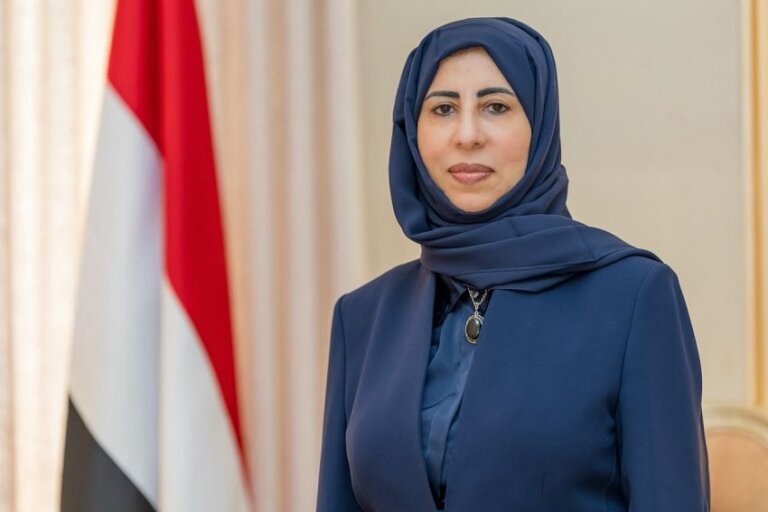
The Vice Foreign Minister’s participation in the Oslo Forum on Mediation was announced
 Yemen Herald News
Yemen’s complex situation has drawn attention on various global platforms, particularly due to the ongoing civil war that erupted in 2015. This conflict involves multiple factions, most prominently the Houthis, which controls significant areas of the northern part of the country. The Saudi-led coalition, which includes other Arab states like the United Arab Emirates, has been intervening to restore the internationally recognized government based in Aden. This ongoing strife has not only strained Yemen’s political and social fabric but has also precipitated one of the worst humanitarian crises in the world.
The humanitarian situation in Yemen is dire, with more than 18 million people in urgent need of assistance. Over 4.5 million individuals are internally displaced, exacerbated by frequent outbreaks of diseases such as cholera and measles. The conflict has decimated essential infrastructure, making access to basic services increasingly challenging. The civilian population continues to bear the brunt of the warfare, suffering severe shortages of food, water, and medical supplies. The United Nations and various international organizations are heavily involved in providing support and relief efforts, although these initiatives often face significant obstacles.
The geopolitical significance of Yemen cannot be overlooked. Located along vital maritime routes like the Red Sea and the Bab al-Mandab Strait, which serves as a crucial shipping lane for global trade, Yemen’s stability is of utmost importance not only to the region but also to international players. The involvement of Iran as a supposed backer of the Houthi movement adds another layer of complexity to the conflict, further complicating the prospects for peace and stability. Diplomacy has become an essential tool in addressing the multifaceted challenges posed by the war and its wider implications.
Recent developments in Yemen’s diplomatic landscape have brought new prospects for dialogue and international collaboration. Mustafa Noman, the Vice Minister of Foreign Affairs and Expatriates, is participating in the esteemed Oslo Forum on Mediation in Norway. This annual event attracts various global leaders and experts focusing on conflict resolution and mediation strategies. Noman’s attendance signifies Yemen’s ongoing engagement with international actors and highlights its commitment to finding peaceful resolutions to its issues.
During his visit to Norway, Noman is expected to meet with several officials and forum participants. These discussions will focus on matters of mutual interest, especially regarding Yemen’s situation and the broader Middle Eastern geopolitical context. The Oxford Forum serves as a platform not only to discuss challenges but also to explore opportunities for strengthening cooperation that might aid in resolving ongoing conflicts.
The forum, held in Oslo, serves as a reputable international meeting point for diplomats, peace negotiators, and conflict resolution scholars. It emphasizes the significance of mediation in addressing both regional and global disputes. This year’s event represents a crucial opportunity for Yemen to showcase its diplomatic efforts while seeking support and collaboration from other nations committed to promoting peace.
The primary stakeholders in Yemen’s current predicament include the Yemeni government, the Houthi movement, regional powers like Saudi Arabia and the United Arab Emirates, and international organizations such as the United Nations. The Yemeni government, backed by the Saudi-led coalition, aims to reclaim control over territories held by Houthi forces and restore stability to the nation. Its recent focus on diplomatic engagements is an attempt to enhance its legitimacy and gather support from influential global actors.
On the other hand, the Houthi movement, which has managed to maintain a stronghold in northern Yemen, continues to engage in power struggles while striving for recognition and legitimacy. Their relationship with Iran also plays a pivotal role, as Tehran provides essential support, complicating the dynamics of the conflict and further polarizing the involved parties.
The role of the international community cannot be understated. Countries and organizations actively engage in promoting dialogues aimed to negotiate peace agreements and alleviate the humanitarian crisis. These efforts often involve complex negotiations that must account for myriad interests, including regional security, humanitarian assistance, and the need for long-term stability in Yemen.
Local populations affected by the conflict represent yet another crucial stakeholder group. Their perspectives frequently go unheard amid the political maneuverings, yet they bear the most severe consequences of ongoing violence and instability. Ensuring that their voices are included in peace negotiations is imperative for sustainable resolution.
The conflict in Yemen continues to reverberate beyond its borders, impacting the geopolitical landscape of the Middle East. With Saudi Arabia actively involved in the coalition against the Houthis, the war has intensified sectarian divides and catalyzed regional tensions, particularly between Sunni-majority nations and Iran, which is perceived as a Shiite power backing the Houthi rebels. This proxy conflict underscores the broader struggle for influence in the region, complicating any potential resolution.
The Bab al-Mandab Strait’s strategic significance further highlights the international community’s interest in the conflict. As a crucial artery for maritime traffic, any instability in Yemen poses risks that could affect global shipping routes. Countries heavily reliant on the shipment of oil and goods traverse this area, making an escalation of hostilities a global concern. Nations near and far are motivated to seek a stabilized Yemen for national security and economic reasons.
Moreover, the ongoing humanitarian crisis offers a unique challenge and an opportunity for regional cooperation. Neighboring countries have been compelled to respond to the influx of displaced persons, forcing a reassessment of regional migration policies. Humanitarian organizations are urging collective efforts to alleviate suffering within and around Yemen. The conflict’s ramifications on regional security and stability demand that neighboring countries and international actors remain engaged in diplomatic discussions aimed at restoring peace.
Yemen’s participation in international forums like the Oslo Forum on Mediation reflects a strategic shift towards diplomacy as a method for conflict resolution. Engaging with influential actors solidifies Yemen’s position on the global stage, allowing the Houthis and the government to draw attention to their respective narratives. This recognition from external stakeholders could lead to a more inclusive and effective peace process that genuinely considers the needs of the Yemeni people.
However, significant challenges remain. The underlying issues driving the Yemen conflict, such as political fragmentation, competing allegiances, and humanitarian crises, often complicate peace negotiations. The talks held in Oslo must not only aim to settle the ongoing conflict but should also address broader socio-economic issues, ensuring that the peace established is sustainable and serves the long-term interests of the Yemeni population.
Another crucial aspect of the analysis is the role of foreign actors. While dialogue is necessary, external powers must navigate their interests carefully. The complexity of cross-national influences can either bolster peace efforts or escalate tensions. Continuous engagement and coordination are vital to mitigate any unintended consequences arising from foreign involvement, thus ensuring that the focus remains on re-establishing peace in Yemen.
The immediate future of Yemen’s diplomatic endeavors hinges on the outcomes of Noman’s participation in the Oslo Forum and subsequent meetings with global players. If successfully leveraged, these discussions could pave the way for renewed interest in the peace process and encourage further discussions among Yemeni factions. Building momentum requires commitment from all stakeholders involved, as well as a willingness to address the critical needs of the Yemeni people.
Expectedly, there will be a push for inclusive dialogue to engage various Yemeni parties, aiming to foster negotiations resulting in a comprehensive peace agreement. However, the path to such agreement will require substantial diplomatic efforts, especially given the entrenched positions of the conflicting parties. The international community’s involvement may remain crucial in catalyzing these discussions and encouraging parties to make necessary concessions.
Simultaneously, humanitarian relief efforts must remain a priority, given the widespread suffering among the Yemeni population. International organizations are expected to continue mobilizing resources to address urgent needs while advocating for a resolution to the conflict. The connection between humanitarian assistance and peace diplomacy cannot be understated, as progress on one front often influences the other.
In conclusion, while the road ahead is fraught with challenges, the engagements in international forums signal a hopeful shift towards dialogue and potential conflict resolution in Yemen. Continuous participation in events like the Oslo Forum and proactive efforts to address the underlying drivers of the conflict will be crucial in aiding Yemen on its journey toward stability and recovery. As stakeholders strive for common ground, the focus on inclusive dialogue and humanitarian support will remain central to achieving enduring peace.
About the Author