Together, the Prime Minister and the Parliament Speaker Discuss National Situation
 Yemen Herald News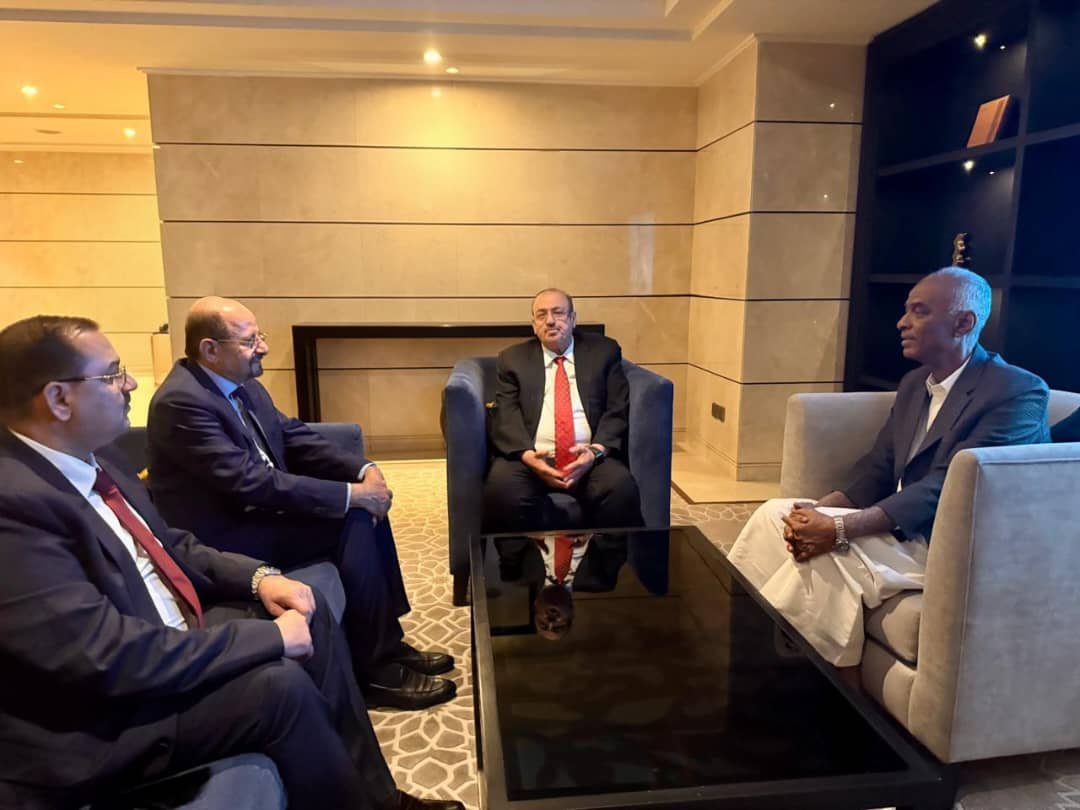
The ongoing civil war in Yemen, which erupted in 2015, has deeply impacted the nation’s political, economic, and social landscape. Rooted in a complex interplay of tribal, sectarian, and regional dynamics, the conflict initially began when the Houthi movement, an Iran-backed group from the north, seized the capital, Sana’a, leading to a subsequent intervention by a Saudi-led coalition aimed at restoring the internationally recognized government. This multi-layered conflict has not only fragmented the country but has also precipitated a humanitarian crisis of unprecedented scale.
Over the years, Yemen has witnessed the emergence of various factions, with the Presidential Leadership Council (PLC) taking on a central role in governance as an effort to stabilize the country amidst the chaos. Formed as part of a transitional government initiative, the PLC is recognized internationally and operates primarily from Aden, pushing for reforms and attempting to unite disparate groups under a common agenda. Despite these efforts, the deep-rooted issues of governance, corruption, and lack of services persist, exacerbating the humanitarian plight of the Yemeni people.
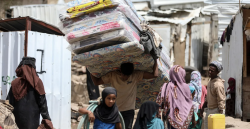
The toll of the war has been catastrophic, with over 18 million individuals currently in need of humanitarian assistance and more than 4.5 million people displaced from their homes. The country grapples with severe health crises, frequently battling outbreaks of cholera and measles amid dire living conditions. Compounding these challenges, the strategic significance of Yemen’s geography—particularly the Red Sea and the Bab al-Mandab Strait—continues to draw regional powers into the fray, complicating the path toward peace.
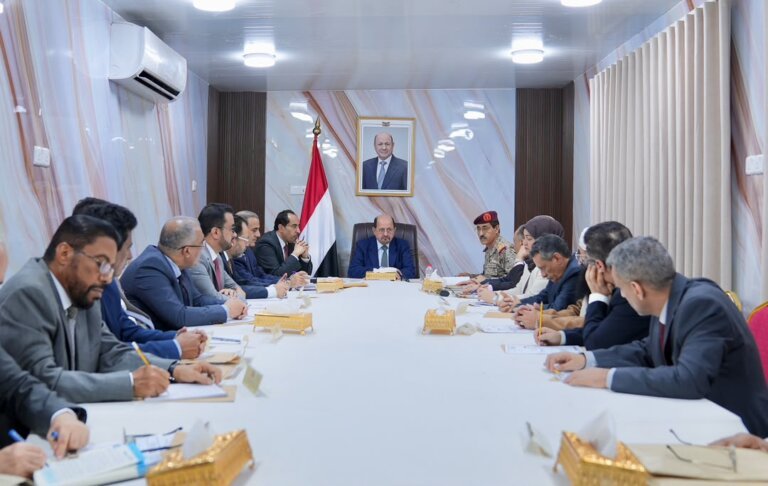
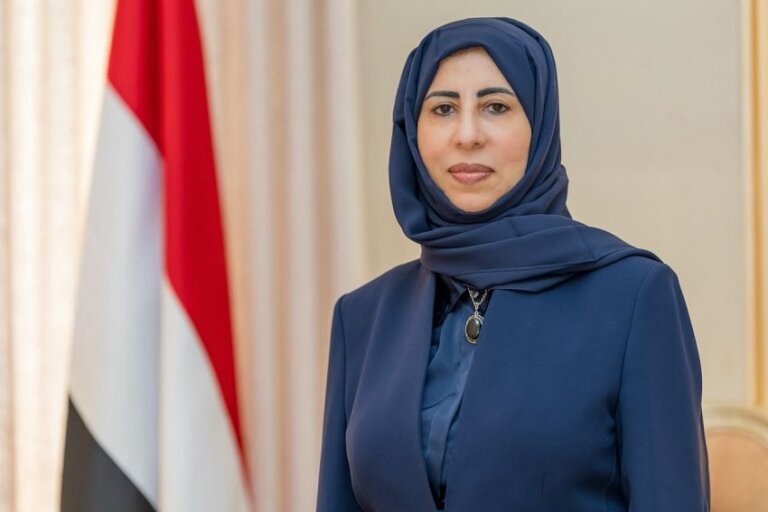
Recently, Speaker of the House of Representatives, Sheikh Sultan al-Barakani, engaged in a discussion with Prime Minister and Minister of Foreign Affairs Dr. Shaya Zindani. This meeting led to a comprehensive evaluation of Yemen’s political, economic, and social challenges. The Prime Minister took the opportunity to outline ongoing reform initiatives across various sectors, emphasizing the government’s commitment to addressing the nation’s pressing issues.
One of the focal points of the conversation was the need for the House of Representatives to reconvene. This assembly plays a crucial role in supporting reform programs, assessing public policies, and approving the national budget. The suspension of the legislature has hindered the government’s capacity to respond effectively to the needs of the populace, making a renewal of its functioning critical for the state’s governance and reform agenda.
Participants also touched on the operational role of the Supreme Tender Board, including the implementation of necessary legislative measures in light of the current circumstances facing the nation. Discussions revolved around potential amendments to existing laws and the introduction of new legislation needed to fulfill constitutional obligations. These changes are essential to align government efforts with the challenges presented by the ongoing conflict and the urgent need for systemic reforms.
The political landscape of Yemen involves various key stakeholders, each with unique interests and influences on the direction the country might take. At the forefront are the representatives of the Presidential Leadership Council, which includes figures from different regions and political backgrounds united under the common goal of restoring stability and governance. Their collective leadership is vital in steering reforms that can potentially reconcile the numerous divisions within the state and address public grievances.
In addition to the PLC, the Speaker of the House and his legislative colleagues hold a significant position in shaping Yemen’s future. As discussions about reform and legislation unfold, the House of Representatives can provide much-needed oversight and facilitate necessary dialogue among the various factions within the country. This parliamentary body can either empower or hinder government initiatives, depending on how effectively it can operate amidst the ongoing crisis.
Beyond national actors, the international community plays a crucial role in Yemen’s fate. Nations, particularly those in the Gulf Cooperation Council and Western allies such as the United States, have vested interests in Yemen, influenced by factors ranging from counter-terrorism efforts to regional security dynamics. Furthermore, organizations such as the United Nations continue to be active in mediating peace efforts and providing humanitarian assistance, often acting as intermediaries in the complex interplay between local factions.
The implications of Yemen’s political landscape extend far beyond its borders, reflecting broader regional tensions and power dynamics. The strategic location of Yemen along the Red Sea and the Bab al-Mandab Strait positions it as a critical shipping route, making stability in the region essential for global trade. Control over these waters is contentious, particularly between Saudi Arabia and Iran, both of which see the conflict in Yemen as a proxy battleground for influence in the Middle East.
The involvement of external actors complicates the situation further. The ongoing Saudi-led coalition’s military campaign against the Houthis is not only a tactical measure to counter Iranian influence but also a reflection of regional rivalries that have historical roots. The proxy nature of this conflict has significant implications for the chances of achieving a lasting peace, as external powers often have divergent objectives that can undermine local efforts for reconciliation.
Moreover, the economic ramifications of the conflict are being felt throughout the region, particularly in neighboring countries. The humanitarian crisis in Yemen has led to an influx of refugees, straining resources in surrounding states and escalating regional tensions. Countries with vested interests in Yemen may realize that prolonged instability could have broader adverse effects on their security and economic well-being.
The recent meeting between key political players in Yemen reflects an acknowledgment of the urgent need for reform and effective governance amidst a backdrop of crisis. The discussions highlight that while addressing immediate humanitarian needs is paramount, enduring solutions will require structural reforms that address the underlying issues of governance, economic disparity, and the rule of law.
The postponement of the House of Representatives’ activities underscores the challenges of fostering a cohesive political environment in an active conflict zone. The ability of the legislature to reconvene and work collaboratively on essential legislation will be a litmus test for the government’s legitimacy and effectiveness. Voter confidence hinges on the perceived ability of elected representatives to advocate for the welfare of citizens and fulfill their constitutional responsibilities.
Despite the daunting challenges, there lies an opportunity for progress through legislative reform and international support. Building coalitions among various political factions can facilitate broader agreements that aim to pave the way for peace. However, such coalitions must be grounded in a genuine commitment to tackling the numerous issues plaguing the country, rather than merely serving the interests of external actors or particular sectarian groups.
Looking ahead, the immediate next steps will vary depending on the response of the House of Representatives following its planned reconvening. By resuming its legislative duties, the parliament could significantly enhance its role in shaping policies and leading the reform agenda critical to stabilizing Yemen. Nevertheless, political maneuvering among factions may complicate discussions, slowing down progress on urgent legislative needs.
In the context of international involvement, continued diplomatic efforts by the United Nations and concerned governments will be vital. These efforts must seek to unify the Yemeni factions under a collaborative framework that prioritizes peace and reconstruction. Ongoing humanitarian assistance and economic support are essential components of any strategy aimed at alleviating the suffering of millions while fostering a restored state infrastructure.
Lastly, attention should remain on the potential for dialogue among the conflicting parties, moving beyond military engagements to explore diplomatic negotiations. A sustainable resolution to the conflict in Yemen hinges not only on addressing immediate security concerns but also on fostering a sense of ownership among Yemenis regarding their futures.
As Yemen stands at a crossroads, the actions taken by its domestic leaders, with the support or resistance from international stakeholders, will ultimately shape the path forward in this war-torn nation. The coming months will be crucial in determining whether Yemen can transition from a state of prolonged conflict to one of stabilization and recovery.
About the Author