Russian Ambassador meets with Prime Minister.
 Yemen Herald News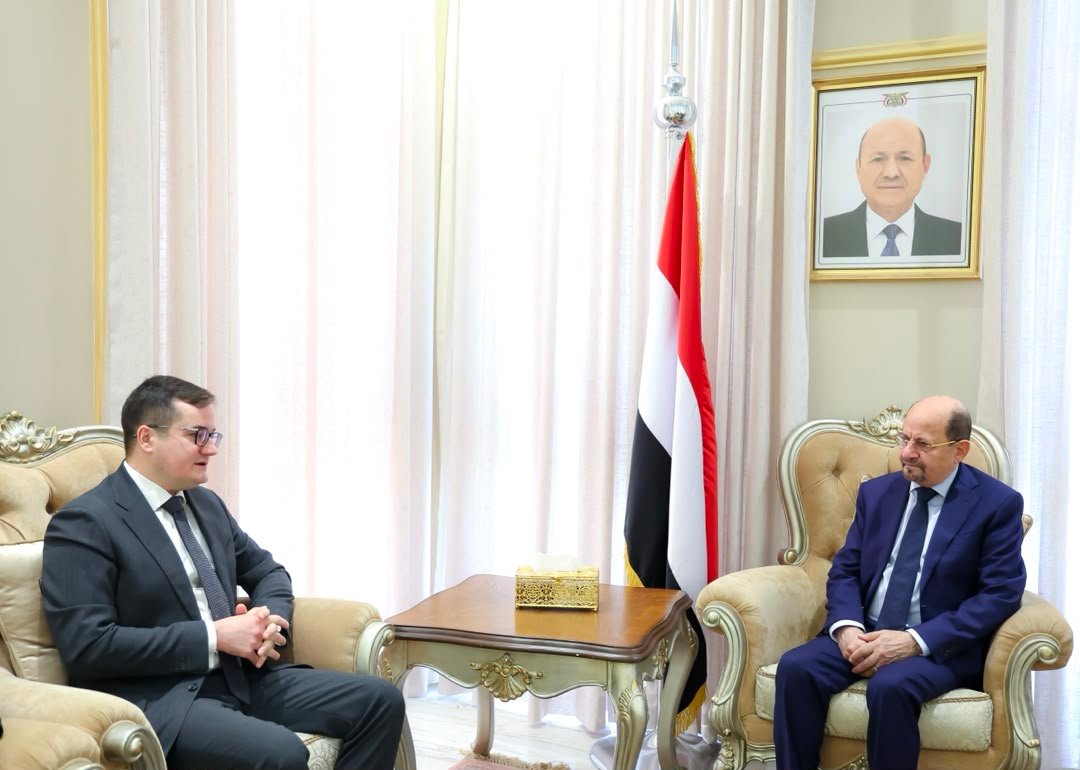
Amid this turmoil, Yemen’s internationally recognized government, led by the Presidential Leadership Council, operates from the temporary capital of Aden. The council was formed as a means to unify the fragmented governance structures in the country, striving for stability and a resolution to the conflict. Despite the challenges, both the Yemeni government and international community remain focused on restoring peace and rebuilding trust among the various factions within the nation.
In this context, diplomatic relationships play a crucial role in shaping Yemen’s future. The reopening of foreign embassies, such as the Russian Embassy in Aden, symbolizes a renewed commitment to diplomatic engagement. Russia’s historical ties with Yemen date back decades, and the resurgence of diplomatic relations could provide multiple avenues for cooperation, particularly in sectors vital for Yemen’s recovery and stability.
Recent developments in Yemen’s international relations were marked by a meeting between Yemeni Prime Minister and Foreign Minister Dr. Shaya Zindani and Russian Ambassador Evgeny Kudrov. This meeting, held in Riyadh, focused on enhancing bilateral ties, particularly within the energy sector. Both parties explored various means to deepen their cooperation and address shared concerns about the ongoing situation in Yemen, the region, and on a global scale.
Ambassador Kudrov highlighted the preparations underway for the official reopening of the Russian Embassy in Aden, a significant step that reflects Russia’s intention to revitalize its diplomatic presence in Yemen. The two officials acknowledged the importance of this move in fostering strong bilateral relations and enriching diplomatic dialogue between Yemen and Russia.
Dr. Zindani expressed his appreciation for the long-standing relationship between the two nations, emphasizing their mutual commitment to working together on economic and investment opportunities. He also underscored Russia’s consistent support for Yemen’s constitutional legitimacy, which plays an essential role in the broader international dialogue regarding Yemeni governance and stability.
With the expected reopening of the embassy, Yemen is looking forward to further collaboration with Russia to bolster its economic prospects and improve the living conditions for its citizens. Such engagements might yield critical advancements as both countries navigate the complexities of their bilateral interests.
The primary stakeholders in this developing relationship between Yemen and Russia include the Yemeni government, represented by Prime Minister Dr. Shaya Zindani and his administration, and the Russian government, led by Ambassador Evgeny Kudrov. Both parties have vested interests in facilitating cooperation, especially in areas such as energy, where Yemen can significantly benefit from Russian expertise and investment.
Moreover, the Yemeni populace stands as a crucial stakeholder. An engaged and supportive government collaborating with international partners can greatly enhance the welfare of the people affected by the ongoing crisis. The Yemeni people, yearning for stability, look towards their government to secure beneficial ties that could lead to economic recovery and humanitarian relief.
Additionally, various international organizations and other nations observing Yemen’s situation also play a role as secondary stakeholders. Their interests often align with humanitarian objectives, as they monitor developments that could impact the region’s peace and security. Nations in the Gulf region, particularly those involved in the Yemeni conflict, like Saudi Arabia and the United Arab Emirates, have an intrinsic interest in the outcomes of Russia’s renewed engagement with Yemen, directly affecting their strategic calculations.
The role of the United Nations cannot be overlooked, as it has been actively involved in mediating peace efforts in Yemen. The UN’s connection with Russia, as a permanent member of the Security Council, adds another layer of complexity to its involvement and the necessity for cooperative diplomatic relations between Yemen and Russia.
The resurgence of diplomatic ties between Yemen and Russia and the planned reopening of the Russian Embassy in Aden could have significant ramifications for the broader Middle East landscape. Russia’s increased involvement in Yemen might alter the balance of power and influence in a region already saturated with proxy conflicts, particularly between Iran and Saudi Arabia.
As Yemen seeks to stabilize and revitalize its economy, the prospective investments from Russia, especially in the energy sector, could pose a challenge to existing partnerships that Gulf nations currently prioritize. Russia’s engagement could bring about new dynamics that may force Gulf states to reassess their strategies and alliances, particularly in light of their ongoing interventions in Yemen.
Moreover, the geopolitical significance of the Bab al-Mandab Strait, a key maritime chokepoint connecting the Red Sea to the Gulf of Aden, may attract heightened attention as more countries vie for influence in the region. The strait is vital for international shipping routes, and any shift in Yemen’s diplomatic relationships could influence the security and economic policies of neighboring states that rely on these waterways for trade.
Regional actors will be closely monitoring the potential implications of enhanced Yemen-Russia relations, as these ties may also affect broader international partnerships involving the United States and European nations. The conclusion of new agreements could either stabilize Yemen or engender further complications in an already fraught region.
The reestablishment of diplomatic ties between Yemen and Russia is a multifaceted development that holds promise yet brings uncertainty. On one hand, it offers Yemen a chance to harness foreign investment and assistance as it grapples with severe humanitarian challenges and an ongoing conflict. The potential influx of Russian investment, particularly in the energy sector, might provide much-needed resources that could stimulate economic recovery and support humanitarian efforts to alleviate suffering.
However, the implications of improved relations with Russia are not without their complications. Yemen’s predicament is fundamentally tied to regional geopolitics, particularly the ongoing struggle betweenSaudi Arabia and Iran. The strengthening of ties with Russia might be perceived by some regional actors as a maneuver that prioritizes Russian interests over traditional alliances, potentially leading to further tensions. Balancing these relationships will be crucial as Yemen navigates its path toward recovery and stability.
Furthermore, Russia’s role as a permanent member of the UN Security Council could either bolster Yemen’s position in international negotiations or introduce competing narratives about how best to resolve the conflict. The international community’s response to Russia’s renewed involvement will vary depending on perceptions of its intentions and the outcomes of its engagements in Yemen.
Understanding the intricacies of Yemeni-Russian relations requires an acknowledgment of the underlying challenges, including the need for localized governance to strengthen political stability in Yemen. The international community must remain vigilant about ensuring that any foreign involvement prioritizes the needs and will of the Yemeni people
Looking ahead, the reopening of the Russian Embassy in Aden will mark a significant milestone in Yemen’s diplomatic journey. The timing of this development suggests an intent to form concrete agreements and cooperation frameworks, particularly in the energy and investment sectors, crucial for Yemen’s recovery. The Yemeni government has signaled its willingness to facilitate Russian operations, ensuring that the embassy can function effectively to promote bilateral relations.
Subsequent discussions between Yemeni officials and their Russian counterparts may focus on specific initiatives that could result in tangible benefits for Yemen. Such initiatives might include economic partnerships, infrastructure projects, and humanitarian assistance programs that leverage Russia’s resources and expertise. The prospect of collaboration could lead to improvements in Yemen’s dire humanitarian landscape.
However, the path will not be without challenges. As Yemen establishes closer ties with Russia, it must also cultivate relationships with other international stakeholders, including Western nations and neighboring Gulf states. Navigating these relationships will be crucial to avoiding potential pitfalls and ensuring a balanced approach to diplomacy that benefits Yemen’s long-term stability.
The success of this renewed partnership will largely depend on the Yemeni government’s ability to implement effective governance and include all relevant actors in the peace process. As political dynamics evolve, Yemen must remain focused on unifying its factions and repelling external influences that could exacerbate divisions.
Ultimately, the next phase will hinge on the government’s capacity to engage effectively with foreign partners and the degree of responsiveness from the international community. Balancing the interests of local citizens with those of foreign investors will be essential as Yemen endeavors to secure a brighter future amidst its ongoing challenges.
About the Author