In Bab al-Mandab, Masam has destroyed almost 6,000 landmines and explosive remnants.
 Yemen Herald News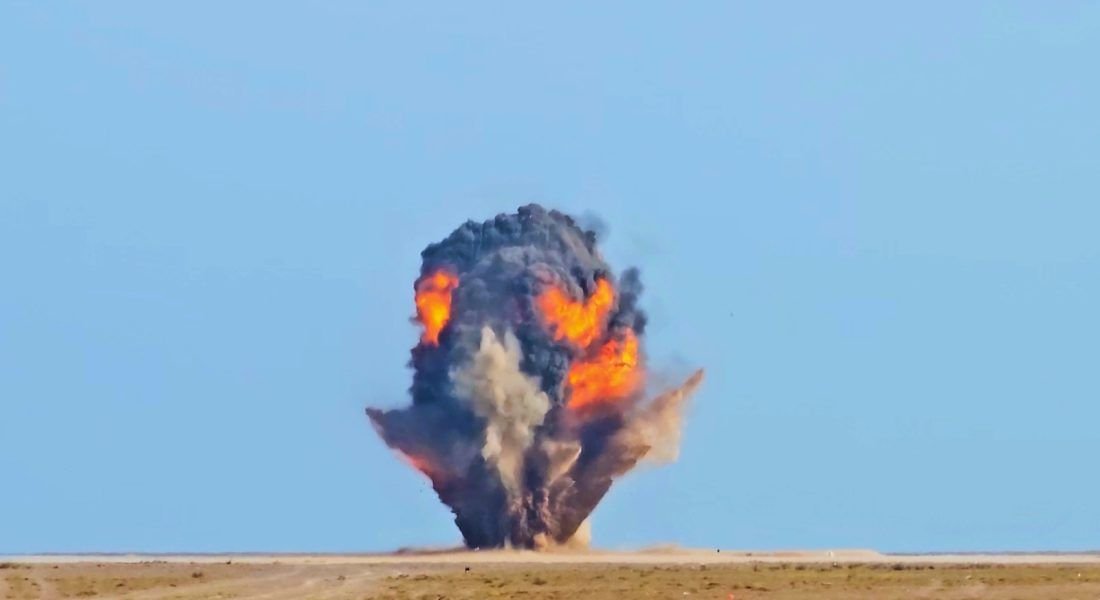
The ongoing civil conflict in Yemen, which erupted in 2015, has left the nation in a state of disarray and humanitarian crisis. The conflict began when the Iran-aligned Houthis ousted the internationally-recognized government led by President Abd-Rabbu Mansour Hadi. In response, a Saudi-led coalition intervened, intending to restore the Hadi government to power. However, the war has devolved into a multifaceted quagmire, involving not only military clashes between the Houthis and coalition forces but also a wider struggle for power among various factions within Yemen.
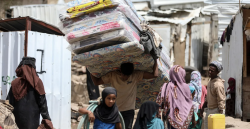
As fighting continues, the humanitarian situation in Yemen remains dire. The United Nations reports that over 18 million people are in desperate need of assistance, while more than 4.5 million individuals are internally displaced due to the conflict. The prolonged violence, coupled with economic collapse, has resulted in recurring health crises, including outbreaks of cholera and measles. Furthermore, the importance of Yemen’s geographical positioning along the Red Sea, particularly the Bab al-Mandab strait, has drawn in regional powers and exacerbated the conflict, complicating prospects for peace and stability.
Compounding these issues is the problem of explosive remnants of war, including landmines and other ordnance left in conflict-affected areas. These hazards pose significant risks to civilians attempting to navigate their everyday realities amidst ongoing hostilities. Consequently, organizations like the Masam Project focus their efforts on clearing these deadly remnants to make areas safer for the local populace, ensuring that as the conflict subsides, communities can begin to recover without the looming threat of explosive devices.
Recently, the Masam Project, supported by Saudi Arabia, successfully neutralized 5,926 explosive devices in Yemen’s Taiz Governorate. This operation took place in the strategically significant Bab al-Mandab region, an area known for its heavy contamination from past conflicts. Masam’s Special Tasks Team Two, under the leadership of engineer Adeeb Rajab, conducted the disposal operation after following strict safety and preparation protocols in line with internationally recognized standards for explosive ordnance disposal.
The destroyed materials included a variety of weaponry: 42 anti-personnel mines, 56 anti-tank mines, eight improvised explosive devices, four rockets, two hand grenades, 116 artillery shells, and thousands of rounds of ammunition and fuses. The operation illustrates Masam’s ongoing commitment to reducing the threats posed by these remnants of war, which can linger for years, endangering civilian lives and complicating post-conflict recovery efforts.
These explosives had been gathered over the last two months during extensive surveys and clearance operations conducted by Masam teams. The organization’s focus has been to dismantle these dangers from coastal areas, which are often highly trafficked by local communities, thereby allowing residents to regain control over their environment as the conflict situation evolves.
The Masam Project operates as a significant player in the demining initiatives in Yemen, with strong backing from the Saudi Arabian government. As part of the broader coalition efforts aimed at stabilizing Yemen, Masam is dedicated to mitigating the dangers posed by landmines and unexploded ordnance. This initiative is crucial not only for the immediate safety of civilians but also for enabling long-term development and rebuilding in post-conflict areas.
Local authorities in Taiz Governorate also play a key role in this effort, alongside international organizations and humanitarian agencies. Their collaboration is essential for ensuring effective coordination in land clearance operations, to guarantee that hazardous areas are identified and prioritized. This multi-faceted approach aims to protect civilians and foster an environment conducive for humanitarian assistance and reconstruction activities.
Another critical stakeholder is the international community, which has a vested interest in seeing peace restored in Yemen. Various nations and organizations are rallying to support humanitarian efforts, and the widespread removal of landmines and explosive ordnance is a top priority. These measures not only save lives in the immediate term but also contribute to the broader goals of establishing a stable and secure Yemen, which is vital for regional stability, especially in light of the geopolitical significance of the Red Sea and Bab al-Mandab.
The situation in Yemen has significant implications for the entire region, particularly in terms of security and humanitarian matters. The ongoing civil war has rendered Yemen a focal point for proxy conflicts, with regional powers like Saudi Arabia and Iran vying for influence. The presence of landmines and unexploded ordnance exacerbates these tensions, as they not only threaten civilian lives but also hinder any potential reconciliation efforts and reconstruction initiatives.
The Bab al-Mandab strait, through which a significant percentage of global oil trade passes, heightens the stakes of stability in Yemen. A volatile Yemen, rife with landmines and insecurity, poses a risk to maritime trade routes and may trigger broader regional disruptions. As a result, both regional and international stakeholders are increasingly aware that stabilizing Yemen is a matter of urgent priority, not just for humanitarian reasons but also for economic interests linked to shipping and trade in the Red Sea.
Furthermore, the consequences of explosive remnants of war in Yemen extend beyond national borders. Countries in the region risk facing an influx of refugees fleeing conflict-affected areas, putting additional strain on their own resources and social fabric. Landmines and similar dangers contribute to creating an unstable environment, creating cycles of displacement and humanitarian crises that could spill into neighboring countries, thus eroding regional peace.
The recent success of the Masam Project in neutralizing thousands of explosive hazards is a promising development in the ongoing efforts to secure peace in Yemen. This operation serves as a reminder of the urgent need for demining initiatives in post-conflict settings, emphasizing the importance of such endeavors in preparing regions for future rebuilding. Depriving conflict-affected populations of the threats posed by explosive remnants directly contributes to enhancing safety and enabling a gradual return to normalcy.
However, the scale of the challenge ahead is monumental. Yemen’s landscape remains heavily contaminated by remnants of war, presenting significant hurdles to the return of displaced populations, the agricultural revival, and the regeneration of local economies. While initiatives like Masam are crucial, they must be part of a comprehensive strategy that includes political dialogue, community rehabilitation, and sustained humanitarian support. The community must also receive education about the danger of unexploded ordnance and landmines to enhance awareness and safety.
Additionally, the geopolitical implications of Yemen’s conflict remain pronounced. The involvement of external actors suggests that resolutions will be complex, requiring not just local and regional cooperation but a concerted effort from the international community to forge consensus and long-lasting peace. Addressing the underlying grievances that fuel the conflict will be essential, rather than merely focusing on military or operational solutions to the humanitarian crisis.
As the Masam Project continues its demining operations, the next steps must emphasize a structured approach to rebuilding and rehabilitation across Yemen. With a significant portion of the population still in dire need of support, the integration of clearance efforts with humanitarian and reconstruction initiatives will be crucial. This integrated approach can potentially harness international support and investment, assisting in restoring vital infrastructure and stability.
Furthermore, the international community must reinvigorate its commitment to Yemen, amplifying dialogue around the need for a political solution to the prolonged conflict. Engaging key stakeholders—including regional powers, local leaders, and civil society—will be fundamental for establishing a path toward peace. This process can only be fruitful if it addresses the underlying issues, including political representation, economic opportunities, and access to basic services for the Yemeni populace.
As clearance teams continue to work in hazardous areas, efforts must be made to ensure that displaced communities feel safe to return home. Local education campaigns regarding the dangers of landmines and unexploded ordnance will play a vital role in safeguarding these populations. Ultimately, ongoing international cooperation and focused humanitarian efforts will be necessary to rebuild Yemen, laying the groundwork for sustainable peace and prosperity in the region.
In summary, while the destruction of explosive ordnance in Yemen is a significant step toward improving safety for civilians, it represents only a fraction of the broader challenges the nation faces. Only through concerted action and collaboration among various stakeholders can Yemen hope to emerge from the shadows of war and rebuild a future rooted in stability and peace.
About the Author