Decisions announced to improve tax and customs performance and financial reforms
 Yemen Herald News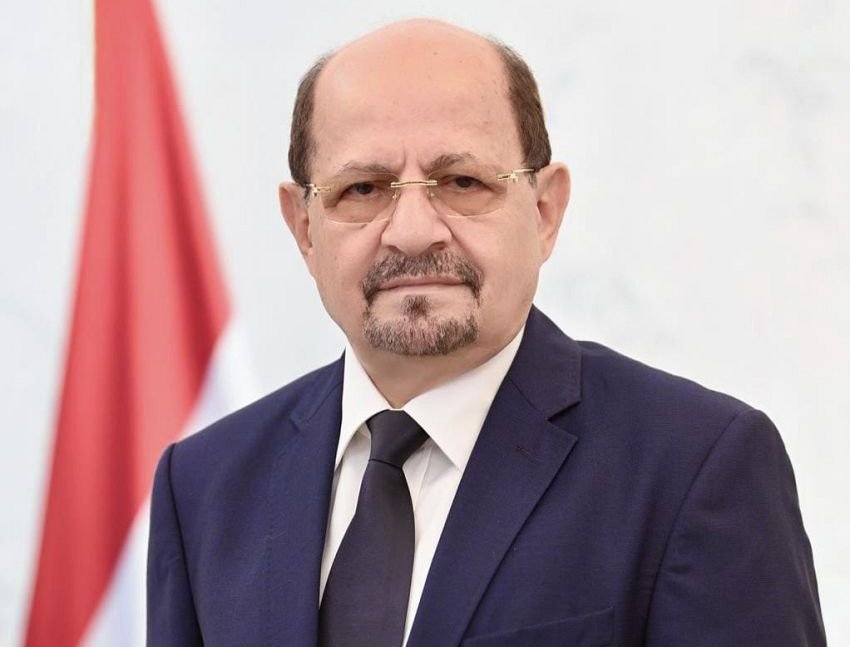
Since the onset of the civil war in Yemen in 2015, the country’s socio-political landscape has been fragmented. The conflict has pitted the internationally recognized government, backed by a Saudi-led coalition, against the Houthi movement, which has managed to seize significant territory, including the capital, Sana’a. This protracted war has resulted in a severe humanitarian crisis, with millions of Yemenis facing acute food shortages, water scarcity, and a breakdown of essential services. Over 18 million people are currently in dire need of humanitarian assistance, and approximately 4.5 million internally displaced persons (IDPs) struggle to find safe refuge.
Amidst this turmoil, the Presidential Leadership Council has been established to provide a semblance of governance in areas under the government’s control, particularly in Aden, which serves as the temporary capital. The council aims to unify various factions of the government and implement crucial reforms, particularly in economic management and public service delivery. However, these efforts are constantly undermined by the ongoing conflict, socio-economic instability, and a lack of coherent policy implementation.
In this context, the government has made concerted efforts to revitalize its economic frameworks. One of the critical areas identified for reform has been the financial governance of institutions responsible for tax collection and customs enforcement. The significance of strengthening these institutions lies not only in revenue generation but also in enhancing governance and public trust in governmental operations. The Prime Minister’s recent decisions reflect a strategic shift aimed at achieving these vital reforms.
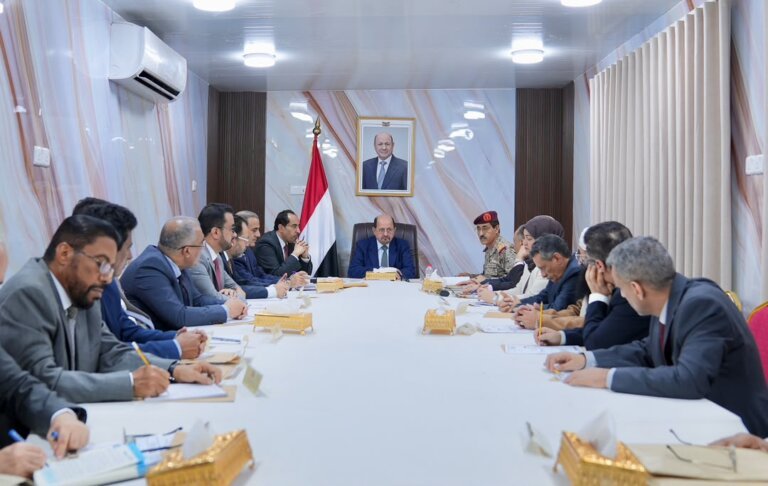
Recently, Prime Minister Dr. Shaya Zindani implemented a series of decisions designed to optimize the performance of the Ministry of Finance and its subordinate authorities, particularly focusing on the Tax and Customs Authorities. This decision package represents the government’s broader initiative to expedite economic and financial reform programs while improving the efficiency of state revenue-generating institutions. The appointments, which include key leadership roles within the tax and customs frameworks, were recommended by the Minister of Finance and respond to the urgent need for enhanced governance in these institutions.
The list of new appointments is extensive. Naji Ali Hussein Jaber has been designated as the new head of the Tax Authority, marking a pivotal shift in leadership aimed at reinvigorating tax collection processes. Additionally, Abdullah Abdulqawi Mohsen al-Muflahi has been assigned as the Director General of the Executive Unit for Taxation of Major Taxpayers within the same authority. The position of Director General for the Tax Office in Aden has gone to Mohammed Ahmed Obaid al-Fadhli, highlighting the government’s commitment to strengthen its foothold in the economic heart of the nation.
The Customs Authority received similar attention, with Fadl Mahmoud Ali Allan appointed as Deputy Head. Assistant Deputy Head positions have also been filled, along with appointments for regional customs management, illustrating a comprehensive approach to reform across multiple layers of governmental agencies. This restructuring is intended not only to streamline operations but also to ensure that both customs and tax systems operate with a renewed emphasis on efficiency and service delivery.
The stakeholders involved in this reform initiative are multi-layered and highly interconnected. At the forefront is the Yemeni government, which is striving to regain stability and functionality in a war-torn environment. The Prime Minister’s office and the Minister of Finance play crucial roles in orchestrating these reforms, prioritizing appointments that align with the overarching goal of enhancing revenue-generating capabilities and good governance principles.
Another pivotal stakeholder is the Presidential Leadership Council, which has mandated broad reforms as part of its comprehensive strategy to stabilize the economy. Their direct influence on economic decisions is indicative of the necessity to combine military and humanitarian approaches to ensure sustainable governance. This council’s success depends significantly on the efficiency of newly appointed leaders within revenue authorities.
Regional and international partners also play a vital role in shaping Yemen’s economic recovery. Countries such as Saudi Arabia and the United Arab Emirates have historically provided financial aid and political backing to the Yemeni government. Their confidence in the effectiveness of the government is crucial, as it directly impacts the flow of humanitarian assistance and development aid. The international community’s support hinges on visible improvements in governance and economic management, further underlining the significance of these recent appointments.
Moreover, civil society organizations and local communities are essential stakeholders in this scenario. Their perspectives and reactions to the government’s restructuring efforts are critical for fostering public trust and ensuring that reforms translate into tangible benefits for everyday Yemenis. The success of these initiatives depends on how effectively the new leaders address the challenges faced by the population amidst an ongoing humanitarian crisis.
The implications of Yemen’s internal reforms on its regional dynamics are profound. The country sits at a strategic geopolitical junction, controlling access to the Bab al-Mandab Strait, a vital waterway for global trade. An effective and stable government could have a significant impact on regional shipping routes and trade flows, which is of keen interest to both Gulf states and global powers alike.
Additionally, the ability of Yemen to bolster its tax and customs revenues is crucial for reducing reliance on foreign aid. With stronger revenue-generating institutions, the government can assert more autonomy in its operations, thereby diminishing the economic leverage previously held by external parties. This shift could help facilitate a shift from dependency to sustainability, a change that may influence diplomatic relations and aid frameworks across the Middle East.
Moreover, the successful implementation of reforms could serve as a model for conflict-affected nations within the region, showcasing how governance can be reestablished through strategic leadership appointments and institutional restructuring. Instances of improved governance and economic stability in Yemen may encourage a ripple effect in other countries grappling with similar challenges, potentially altering regional dynamics.
Conversely, failure to achieve the intended outcomes through these reforms could lead to increased instability and unrest. The stakes are high, and the interplay between local governance and foreign interests remains delicate. Failure of the Yemeni government to demonstrate improvements could embolden adversarial groups operating within the country and exacerbate ongoing conflicts.
The recent decisions made by the Prime Minister to restructure key financial institutions signify a proactive approach to governance in a challenging environment. By addressing leadership within the Tax and Customs Authorities, the government aims not only to enhance efficiency but also to instill a sense of trust amongst citizens regarding state operations. However, success in these reforms will demand more than just new appointments; it will require an overhaul of entrenched bureaucratic norms as well as a shift in public perception.
One fundamental challenge lies in the implementation of the newly appointed leaders’ mandates. The effectiveness of these individuals will depend on their ability to navigate existing institutional barriers and corrupt practices that have hindered progress in the past. Transparent operations, strengthened accountability measures, and the use of technology in tax collection and customs processing could combat inertia in these institutions and restore confidence.
The overall economic context remains tenuous, with significant external factors impacting Yemen’s recovery trajectory. Fluctuating oil prices, international donor commitments, and the effects of the ongoing COVID-19 pandemic complicate the landscape. A focus on diversifying the economy beyond its traditional sectors is critical to reducing vulnerability to external shocks, but this requires substantial investment in infrastructure, education, and human capital.
Moreover, the government needs to align its reforms with the exigencies of the humanitarian situation, ensuring that measures taken do not further marginalize already vulnerable populations. Creating a participatory framework that includes civil society voices may enhance the legitimacy and effectiveness of reforms while delivering urgent services to those in need.
In the coming months, the newly appointed leaders will be under scrutiny as they work to translate their mandates into action. The immediate focus will likely revolve around operationalizing reform agendas within the Tax and Customs Authorities, where expectations are high for improved efficiency and revenue collection. Stakeholders, both domestically and internationally, will be monitoring these developments closely, as successful reforms will play a crucial role in stabilizing Yemen’s economy.
The government may also initiate a broader dialogue with various social and political actors to ensure that the implementation of reforms reflects the needs of the population. Engaging civil society and community leaders could enhance the responsiveness of the government to both current and pressing concerns, fostering an environment of trust and collaboration.
Additionally, continued international support, both financial and advisory, will be vital to underpinning these reform efforts. The government must actively demonstrate its commitment to transparency and accountability in order to secure ongoing investment and aid from regional and international partners, further fortifying its financial position and capabilities.
Ultimately, the success of these appointments and the intended reforms will hinge on the collective will of all stakeholders involved in Yemen’s recovery trajectory. The interplay of governance, economic management, and humanitarian response will define whether Yemen can emerge from its prolonged period of unrest and begin to reshape its future. The upcoming months are critical in determining whether these ambitious plans can translate into meaningful outcomes for the people of Yemen.
About the Author