UK Urges Resolution to Sudanese Conflict at Berlin Talks Marking Third Anniversary of War
 Yemen Herald News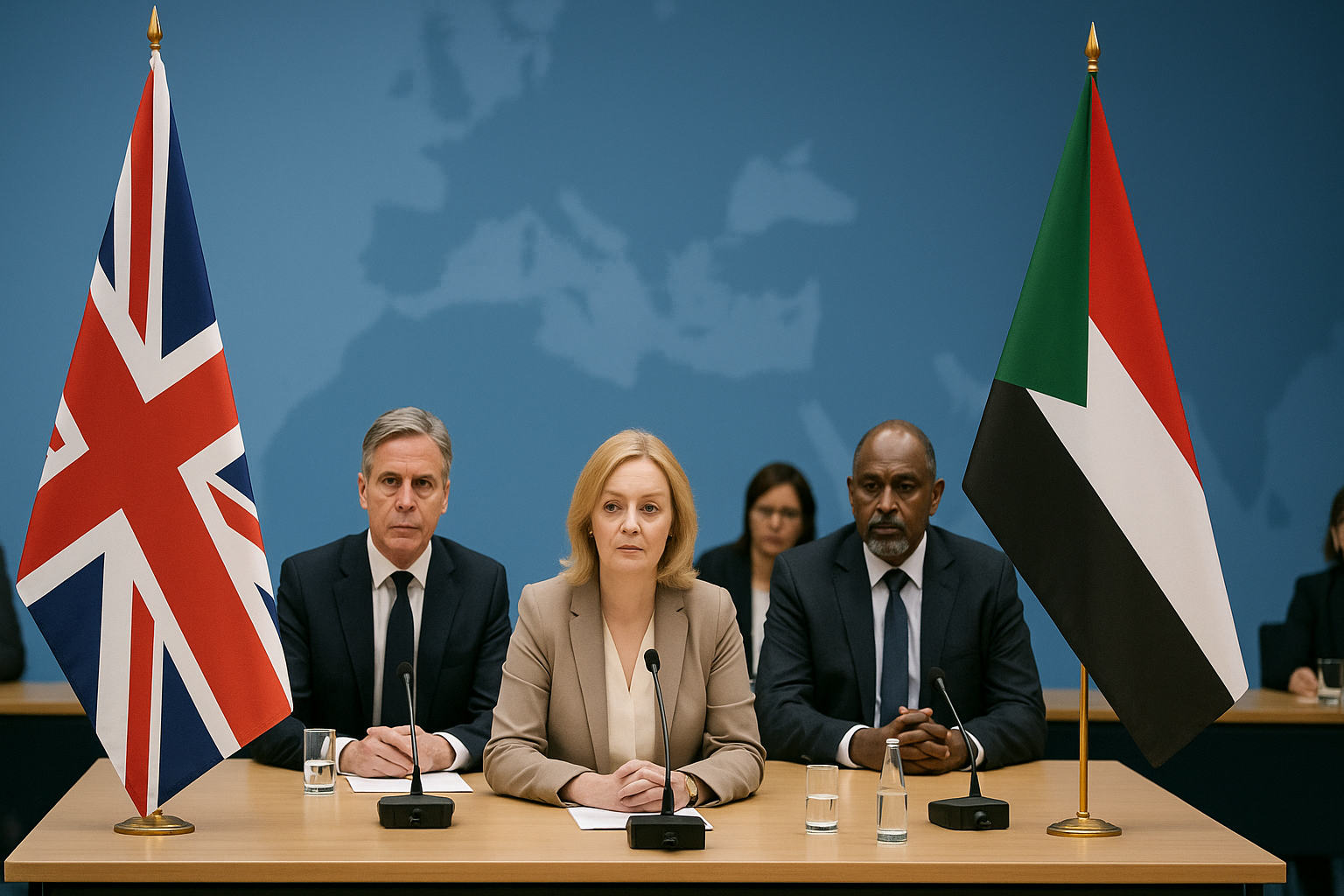
The ongoing conflict in Sudan has reached a critical juncture as it nears the four-year mark since the outbreak of hostilities. Initially sparked by power struggles and complex political dynamics, the war has devolved into a humanitarian debacle that has horrendously impacted millions. The primary combatants are the Sudanese Armed Forces and the paramilitary group known as the Rapid Support Forces (RSF), whose violent confrontations have led to widespread suffering and displacement. The armed conflict has not only disrupted daily life but also decimated the socioeconomic structures within the country, pushing vast segments of the population into dire situations of food insecurity and humanitarian need.
The war emerged from a backdrop of political instability following the ousting of long-time president Omar al-Bashir in 2019. The fragile transitional government that arose from the protests has struggled to maintain peace and order, faced with factional divides that continue to boil over into violence. As hostilities escalated, the conflict quickly attracted the attention of international stakeholders, each with their own interests, further complicating an already volatile situation. The involvement of various regional powers has turned Sudan into a geopolitical chessboard, often at the expense of its population.
Despite the escalating humanitarian crisis, which has been labeled one of the worst in the world, there has been little effective international response to alleviate the immediate needs of the civilians caught in the crossfire. The international community’s focus has shifted many times, often sidelining Sudan as newer crises arise elsewhere, contributing to a catastrophic shortfall in humanitarian aid.
The humanitarian situation in Sudan has reached alarming levels, with a significant percentage of the population facing acute hunger. Recent assessments reveal that approximately 19 million people are currently struggling to secure sufficient food, with projections indicating that this figure could rise to as high as 23 million in the coming months. Areas like North Kordofan, West Kordofan, and North Darfur are experiencing “emergency” levels of food insecurity, with local conditions described as “catastrophic” in certain communities. This trend is fueled by ongoing battles for territory and resources as both the Sudanese army and the RSF continue their relentless pursuit of military dominance.
In light of these alarming statistics, a major international conference is scheduled in Berlin, led by the British Foreign Secretary Yvette Cooper. The meeting aims to address the dire humanitarian circumstances while attempting to navigate the complexities of peace negotiations that have thus far been unfruitful. Despite the anticipated gathering being built on hopeful rhetoric, experts express skepticism regarding the potential for tangible progress given the historical context of failed negotiations between conflicting parties.
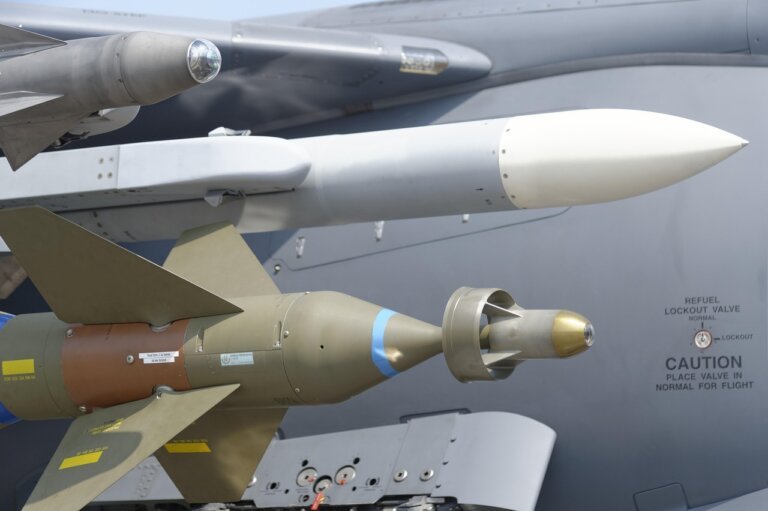
With the war entering its fourth year, the prospects for stability remain grim. As ground battles intensify, technology is becoming an increasingly potent factor in the violence. The use of drones has increased dramatically, escalating both the lethality of engagements and the humanitarian fallout, with reports indicating that hundreds of civilian casualties have been attributed to drone strikes in 2023 alone.
The conflict in Sudan involves a multitude of stakeholders, both domestic and international, each with distinct objectives and interests. Predominantly, the two main factions—the Sudanese Armed Forces and the Rapid Support Forces—are locked in a struggle for control, which has fostered a cycle of violence and retribution. Their ongoing struggle has uprooted millions and put the nation’s stability at risk, while it also diminishes opportunities for peaceful coexistence.
International actors include regional powers such as Saudi Arabia, the United Arab Emirates, Egypt, and the United States. Each has its allegiances: Saudi Arabia and Egypt have expressed support for the Sudanese army, while the UAE has been known to favor the RSF. The conflicting interests of these regional players have complicating effects on the peace dialogue, as their involvement often reflects a broader struggle for influence within the Horn of Africa and the Red Sea region.
Humanitarian organizations play a crucial role as third-party stakeholders in this crisis, striving to provide relief and aid amidst the chaos. However, funding mechanisms are severely strained, with only a fraction of the necessary resources being met. The looming fear is that without a cohesive international response, these organizations will be unable to meet the burgeoning demands of those in need, further exacerbating the humanitarian catastrophe.
The ramifications of Sudan’s conflict extend far beyond its borders, impacting the entire Horn of Africa region and beyond. Neighboring countries are grappling with the influx of refugees fleeing violence, exacerbating existing tensions and strains on local resources. Nations such as Chad and South Sudan, already mired in their crises, are particularly vulnerable and face an increased burden as they host displaced populations from Sudan. This cross-border movement has the potential to ignite further instability as extremist groups take advantage of weakened governance and law enforcement structures in these host nations.
Moreover, the conflict implicates the intricate web of relationships among regional powers. Saudi Arabia’s relationship with the UAE has been tested, particularly in the wake of violent proxy struggles in Yemen, which overlap with the interests in Sudan. These dynamics are critical, as they could hinder any meaningful diplomatic efforts to stabilize Sudan due to competing agendas in the region.
Global powers are also closely watching the conflict in Sudan, given its strategic positioning along critical maritime routes like the Red Sea. The potential for instability here could impact global shipping lanes and trade, raising concerns among international markets about security and economic ramifications. As these trade routes remain vital for the transportation of oil and other goods, a protracted conflict could disrupt not just regional economies but also the global economy at large.
The timing of the Berlin conference comes as a desperate move in light of escalating violence that shows no signs of abating. Despite the formal agenda centered on humanitarian issues, the greater urgency lies in achieving a ceasefire that could potentially pave the way for future peace negotiations. The stark disparity between the scale of human suffering and the response from international actors raises difficult questions about the effectiveness of current diplomatic strategies and the role of major powers in influencing outcomes.
While pledges of humanitarian aid, such as the UK’s announcement to bolster funding for frontline responders, are commendable, they often fall short of addressing the root causes fueling the conflict. Without a political resolution, any temporary alleviation of humanitarian suffering may be fleeting. The increasing complexity of the war, characterized by technological advancements in warfare, makes it increasingly challenging to predict the trajectory of the conflict.
Additionally, internal divisions and infighting among the various armed groups further complicate prospects for peace. Experts observe that neither side is inclined to yield control or territory, suggesting that the conflict may deteriorate further before a potential resolution can be negotiated. The likelihood of hostilities continuing into another harsh rainy season, traditionally a time of decreased fighting, raises concerns about the enduring nature of violence in the region.
As the Berlin conference unfolds, the international community must grapple with the urgent need for effective strategies to curb the violence. While efforts to secure a ceasefire are critical, the consensus among analysts is that immediate results may prove elusive. The competing interests of regional powers, along with the prevailing mistrust between the warring factions, pose significant barriers to any genuine efforts toward peace.
Moving forward, the key issue will be whether international actors can unite behind a single diplomatic framework that encourages negotiation and compromise. Increased engagement from influential powers is essential to galvanize support for such an initiative. Additionally, humanitarian responses need to evolve beyond short-term aid into sustainable programs aimed at rebuilding the socio-economic fabric of Sudan once the conflict subsides.
In light of the ongoing violence, the humanitarian catastrophe is projected to worsen, leading to growing numbers of internally displaced persons and refugees in the broader region. Future efforts must prioritize immediate relief while concurrently laying the groundwork for long-lasting peace and stability in Sudan. With profound challenges lying ahead, the global community’s response will critically define the path toward recovery for a nation in turmoil.
About the Author