Yemen Herald News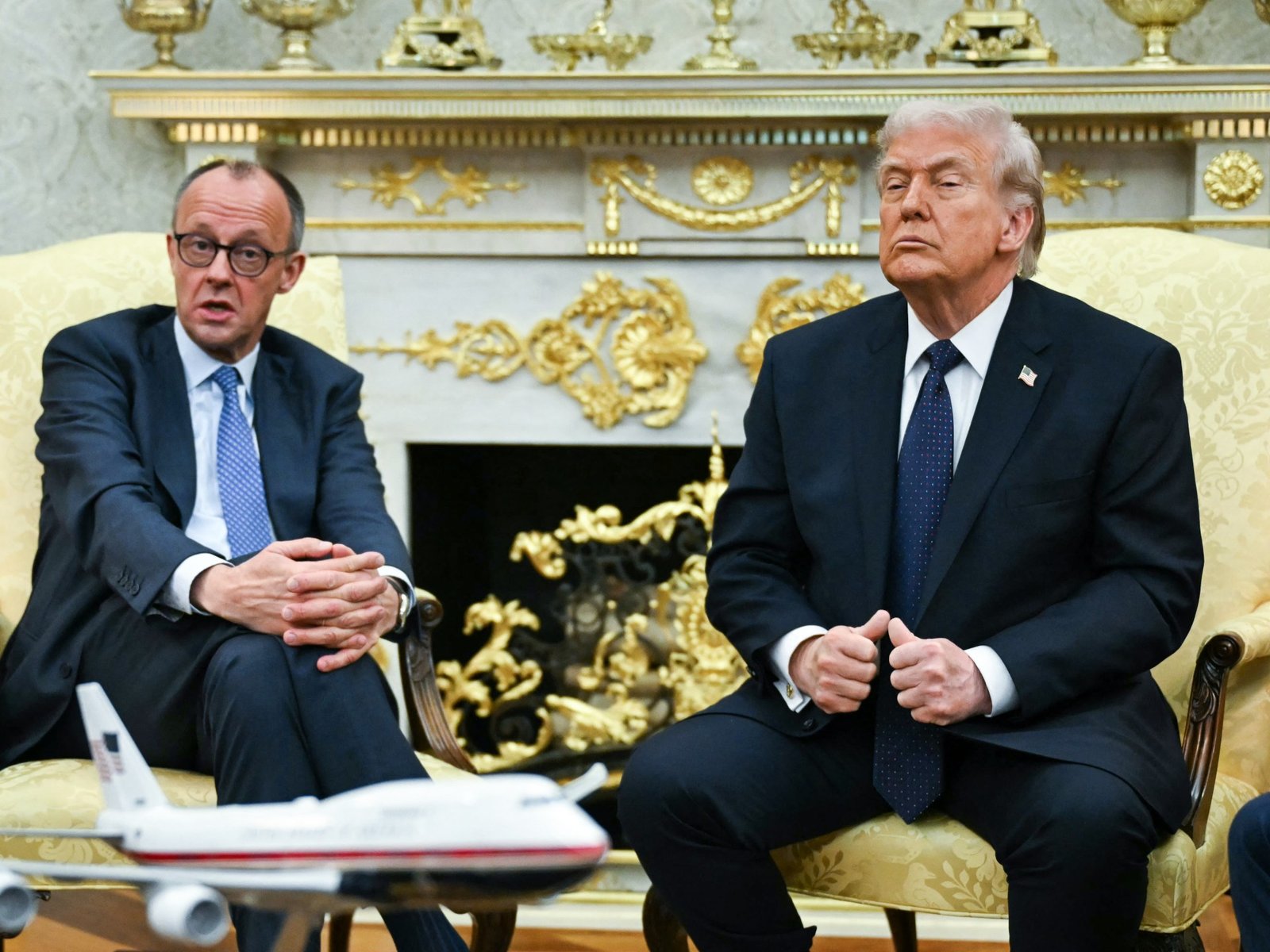
The Geopolitical Implications of Germany’s Evolving Stance on US Troop Presence
The recent announcement of a troop drawdown by the United States in Germany has sent ripples through the geopolitical landscape, highlighting the fragility of transatlantic relations and the shifting dynamics of power in the face of rising global tensions, particularly in the Middle East.
Context and Background
Germany has long been a cornerstone of NATO and a key ally of the United States, hosting the largest contingent of American troops in Europe. However, the relationship has been strained in recent years, particularly under the Trump administration, which has criticized European allies for their defense spending and reliance on American military support. The backdrop of this tension is the ongoing conflict in Iran, where the US and Israel have taken aggressive military actions without the consensus of NATO allies. Chancellor Friedrich Merz’s recent comments criticizing Trump’s approach to Iran have further complicated this already delicate relationship, suggesting a potential shift in Germany’s foreign policy stance.
Key Developments
The announcement of a troop reduction, with approximately 5,000 American soldiers set to withdraw over the next year, marks a significant change in US military strategy in Europe. This decision, which reduces the US troop presence in Germany by about 14%, comes on the heels of Merz’s critical remarks regarding Trump’s handling of the Iran situation. Merz’s assertion that the troop withdrawal is unrelated to his criticisms of US policy may be an attempt to mitigate backlash from Washington, but it also underscores the growing disconnect between the two nations. The US has responded to Merz’s comments with sharp rebukes, including threats to withdraw troops entirely, signaling a potential escalation in tensions.
Impact Analysis
The implications of this troop drawdown are profound. Politically, it signals a shift in the US’s commitment to European security, which could embolden adversaries like Russia and Iran. Economically, the increased tariffs announced by Trump on European goods, particularly German automobiles, could exacerbate tensions and lead to retaliatory measures, further straining transatlantic trade relations. Security-wise, the reduction of US forces may lead to a vacuum that could be exploited by hostile actors in the region, particularly as Iran continues to assert its influence amidst the chaos of the ongoing conflict. The ramifications of these developments extend beyond Europe, impacting global oil prices and security dynamics in the Middle East.
Strategic Insight
From a strategic perspective, the current situation reveals a critical juncture for NATO and the US-European alliance. Merz’s comments reflect a growing realization within Germany that reliance on US military support may no longer be tenable, prompting calls for increased European defense spending and autonomy. This shift could lead to a reconfiguration of alliances, with European nations potentially seeking closer ties with other global powers, including China and Russia, as they reassess their security needs. The ongoing conflict in Iran serves as a backdrop for these changes, as European nations grapple with the implications of US military actions that they did not endorse. The risk of further alienation from the US could push Germany and its allies to pursue independent foreign policies that prioritize their national interests over collective NATO objectives.
What Happens Next
Looking ahead, several scenarios could unfold. If tensions between the US and Germany continue to escalate, we may see a further withdrawal of American troops from Europe, leading to a significant shift in the balance of power on the continent. Alternatively, Germany could take steps to mend relations with Washington, potentially by increasing its defense budget and aligning more closely with US military objectives in the Middle East. However, this could come at the cost of alienating other European allies who are critical of US policies. The situation in Iran will remain a focal point, as any escalation in conflict could force Germany and its NATO partners to reconsider their positions and strategies in the region.
Conclusion
The evolving dynamics between Germany and the United States are emblematic of a broader shift in global geopolitics. As the US reassesses its military commitments abroad, European nations must grapple with the implications for their own security and foreign policy. The troop drawdown in Germany is not merely a logistical decision; it represents a potential turning point in transatlantic relations that could redefine the future of NATO and the balance of power in the Middle East. Germany’s response to this challenge will be crucial in determining its role on the global stage and its relationship with both the US and emerging powers.
About the Author