Renaissance Makers, Agriculture Ministry Explore Projects for Food and Water Security
 Yemen Herald News
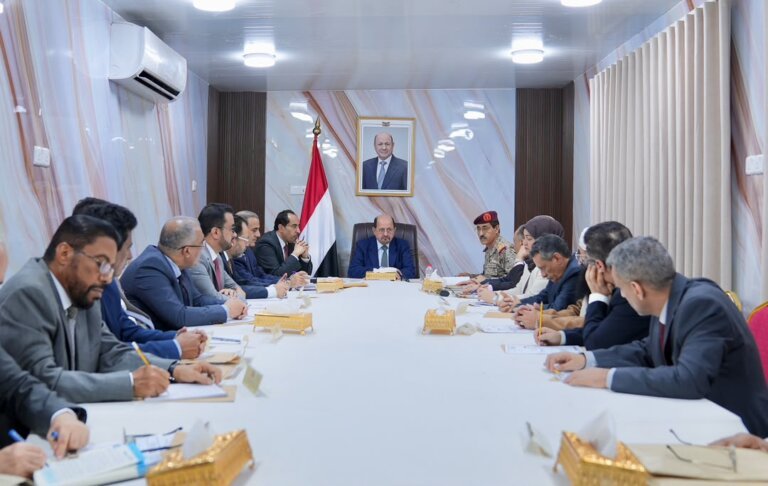
The recent coordination meeting held by the Ministry of Agriculture, Fisheries, and Water Resources and the Renaissance Makers Organization focused on developing strategies to enhance cooperation in rural development. The gathering included the Undersecretary for Irrigation and Land Reclamation, Eng. Ahmed Al-Zamaki and various representatives from the organization aimed at prioritizing projects essential for supporting the agriculture sector amidst the ongoing challenges of climate change.
Collaboration Efforts
Proposals discussed during this meeting included key interventions such as the rehabilitation of irrigation networks and the distribution of agricultural inputs to local farmers. These initiatives are significant as they seek to revitalize agricultural productivity, which has been severely hindered by years of conflict and neglect. Moreover, efforts to protect agricultural lands from degradation and combat desertification have been underscored as critical components of the overall strategy to ensure food security and environmental sustainability.
Enhancing data collection and technical analysis was a major focus during the discussions. Streamlining these efforts would allow for the more efficient utilization of available funding and resources. Prioritizing irrigation infrastructure, managing water basins effectively, and reinforcing both institutional and community capabilities are central to addressing the immediate and long-term needs of the agricultural sector. The commitment to these initiatives reflects a broader recognition of the integral role that sustainable agricultural practices play in building resilience in Yemen’s rural communities.
In summary, the meeting marked a proactive step towards implementing a multi-faceted strategy that not only aims to address immediate agricultural and economic challenges but also fosters long-term environmental sustainability and social stability in Yemen’s rural areas.
Strategic Meeting Outcomes
Several stakeholders are pivotal in shaping the agricultural landscape in Yemen, especially in light of the ongoing humanitarian crisis. The Yemeni government, represented primarily by the Ministry of Agriculture, is responsible for formulating policies, coordinating agricultural initiatives, and mobilizing resources to support rural livelihoods. Eng. Ahmed Al-Zamaki, the Undersecretary for Irrigation and Land Reclamation, plays a key role in driving efforts toward enhancing irrigation systems and ensuring water resource management aligns with sustainable practices.
In addition to government bodies, non-governmental organizations (NGOs) like Renaissance Makers are crucial partners in implementing on-the-ground projects. Such organizations often possess the flexibility and innovative approaches needed to address emerging challenges in rural development. Their involvement not only complements governmental efforts but also facilitates community engagement, ensuring that initiatives are tailored to meet the specific needs of local populations.
International organizations and donor agencies form another layer of stakeholders whose support is essential for financing and technical assistance. Their collaboration with local stakeholders can unlock vital resources for agricultural projects, particularly in infrastructure rehabilitation and capacity building. These partnerships are instrumental in linking local priorities with global funding opportunities, thereby enhancing the impact of agricultural interventions.
Role of International Support
Ultimately, the synergistic efforts of these diverse stakeholders represent a comprehensive approach to revitalizing Yemen’s agricultural sector. By fostering collaboration between government entities, NGOs, and international partners, there exists a significant opportunity to address the pressing challenges posed by climate change and ongoing conflict, while also laying the groundwork for sustainable rural development.
The implications of Yemen’s agricultural initiatives extend beyond its borders, as the nation’s stability is intricately linked to regional dynamics. The Red Sea’s strategic waterways, including the Bab al-Mandab strait, are essential for international shipping routes. Thus, any improvement in Yemen’s internal stability, particularly related to food security and agricultural productivity, could contribute to broader regional security. Enhanced stability within Yemen could help alleviate pressures that contribute to regional tensions and uncertainties.
Moreover, addressing agricultural sustainability in Yemen is vital given the country’s location in a water-scarce region. Strengthening irrigation systems and promoting effective land management are crucial for mitigating the impacts of climate change. As similar challenges confront neighboring countries in the Middle East and North Africa, Yemen’s success in implementing effective agricultural policies could serve as a model for others grappling with the same issues, particularly in enhancing resilience against climate adversities.
Furthermore, improving agricultural output in Yemen could have economic implications that benefit regional trade. A more robust agricultural sector might lead to increased food supplies not only domestically but also for neighboring countries struggling with their own supply chain disruptions. This economic interdependence underscores the necessity of regional cooperation in agricultural initiatives, potentially leading to shared resources and collaborative efforts to enhance agricultural sustainability.
In light of these connections, the prioritization of agricultural development in Yemen could catalyze cooperative strategies across the region. As food security emerges as a shared concern, a united regional approach may foster diplomatic ties and shared governance practices that transcend the immediate conflicts, laying the groundwork for future collaboration on various issues affecting the region.
The collaboration between the Yemeni government and organizations like Renaissance Makers reflects a strategic approach to addressing the urgent needs of the agricultural sector amid a prolonged crisis. This partnership underscores a growing recognition that sustainable agricultural practices are essential not just for immediate relief but also for long-term recovery and resilience. The emphasis on rehabilitation of irrigation systems and the provision of agricultural inputs signals an understanding of the foundational role that agriculture plays in stabilizing rural economies and improving food security.
Long-Term Agricultural Strategies
Data-driven decision-making is another focal point of the discussions held during the coordination meeting. By prioritizing the collection and analysis of technical data, stakeholders can better align their efforts, making the most of limited resources. This analytical approach facilitates a clearer understanding of the agricultural landscape, aiding in the identification of vulnerabilities and opportunities that can be leveraged for more effective interventions. It also enhances transparency and accountability among stakeholders, fostering trust and collaboration in a landscape often marred by mistrust and fragmentation.
However, the path to successful agricultural revitalization in Yemen is fraught with challenges. The ongoing conflict not only disrupts agricultural activities but also complicates the implementation of projects due to security concerns and logistical challenges. Furthermore, climate change poses an increasing threat, with unpredictable weather patterns and extreme weather events exacerbating existing vulnerabilities. These factors necessitate a multifaceted response that not only addresses the immediate agricultural challenges but also considers the broader socio-economic and environmental context.
In conclusion, while the recent initiatives represent significant progress in addressing Yemen’s agricultural needs, success will depend on sustained commitment from all stakeholders, effective resource allocation, and adaptability to the evolving challenges posed by conflict and climate change. The collaborative framework established through these partnerships offers a promising avenue for fostering resilience within vulnerable rural communities, but practical implementation remains a critical hurdle to overcome.
Looking ahead, the collaboration between the Yemeni government and organizations like Renaissance Makers is poised to evolve as they work towards implementing the proposed agricultural interventions. The immediate next steps will likely emphasize the mobilization of resources for irrigation network rehabilitation and the distribution of agricultural inputs. This could include partnerships with international donors and NGOs that can provide the necessary funding and technical expertise needed for these projects.
Moreover, focusing on building local capacities through training and education programs will be essential to ensure the sustainability of agricultural practices. Initiatives that equip farmers with new techniques and knowledge on efficient and sustainable practices will not only contribute to immediate improvements in agricultural productivity but also foster long-term resilience against adverse environmental conditions. This emphasis on community engagement and capacity building will be crucial for empowering communities to take charge of their agricultural futures.
As stakeholders continue to work together, it is also essential to establish a robust framework for monitoring and evaluation to assess the impact of these interventions. This framework would help identify successes and areas for improvement, ensuring that strategies can be adjusted in response to the evolving situation on the ground. Regular stakeholder meetings and transparency around project outcomes will also foster trust and accountability, encouraging ongoing collaboration.
In a broader sense, the success of these agricultural initiatives could influence the overall stability of Yemen. A revitalized agricultural sector may provide a pathway out of poverty for countless families and potentially reduce tensions that arise from resource scarcity. As these efforts unfold, they will serve as a critical test of Yemen’s ability to foster resilience in the face of intertwined challenges, laying the groundwork for a more stable and secure future for rural communities across the nation.
About the Author