Yemen denounces Iranian strikes targeting Kuwait and Bahrain
 Yemen Herald News
In recent weeks, tensions in the Gulf region have escalated significantly due to a series of attacks attributed to Iranian forces against neighboring countries, including Kuwait and Bahrain. Historically, these two nations have maintained diplomatic protocols that prioritize stability and cooperation within the Gulf Cooperation Council (GCC). However, the recent incidents have placed them in a precarious position, navigating threats that not only threaten their sovereignty but also the broader dynamics of security in the region.
Yemen, which has been embroiled in civil conflict since 2015, finds itself in a complex geopolitical situation. The ongoing war, involving the Houthis, the Saudi-led coalition, and various other regional actors, has created a humanitarian crisis that has left millions in dire need of assistance. Amid this turmoil, Iran’s influence has grown, particularly through its support for the Houthis movement, which has proven to be a significant concern for its Gulf neighbors. The stakes are high, as the Iranian regime’s actions are seen as part of a broader strategy to exert influence and destabilize countries within the region.
Yemen's Geopolitical Situation
The recent attacks on civil aviation and infrastructure highlight a troubling trend that exacerbates existing tensions between Iran and its neighboring states. The Iranian government has consistently been accused of supporting proxy groups and using advanced weaponry such as drones and missiles, which has heightened fears of escalation among nations that share borders or interests in the strategic waterways and airspace of the region. This backdrop of conflict and instability lays the groundwork for Yemen’s recent condemnation of Iranian aggression.
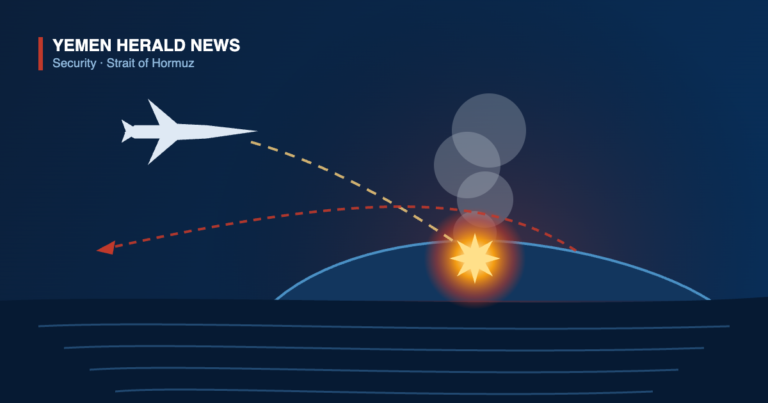
The Republic of Yemen’s Ministry of Foreign Affairs recently issued a statement condemning Iranian attacks on Kuwait and Bahrain, labeling these assaults as aggressive and deliberate acts of terrorism. The incidents included a missile strike on Kuwait International Airport, which resulted in both casualties and property damage. Yemen’s foreign ministry described this attack as a serious breach of international law, emphasizing its impact on civilian safety and state relations.
These attacks are not isolated; they represent a pattern of aggression from Iran towards its neighbor states, threatening both civilian infrastructure and the overall stability of the Gulf region. Alongside Kuwait, Bahrain has also been targeted, with multiple assaults reported that risk jeopardizing the safety of residents and citizens alike. The continual assaults by Iranian forces have raised alarms over the broader implications for Gulf security and international norms surrounding conflict and diplomacy.
Pattern of Aggression
The Yemeni government underscored its solidarity with both Kuwait and Bahrain, affirming support for any measures they undertake to enhance security and protect their citizens. Furthermore, it commended the readiness demonstrated by the armed forces of both nations in responding to these hostile actions, recalling the importance of regional unity in the face of external threats.
Additionally, Yemen’s statement recognized the need for a firm international response that could effectively deter Iran’s aggressive posture. This sentiment echoes concerns voiced by various international actors regarding Iran’s use of sophisticated military technology, proxies, and militia forces to exert influence and intimidate its neighbors, which poses an escalating risk not only for regional stability but also for global peace.
The conflict and ensuing tension in the Gulf region involve a complex web of stakeholders, each with vested interests. First and foremost are the states of Kuwait and Bahrain, both of which are keen on preserving their sovereignty and maintaining regional stability. The governments of these nations are vigilant against Iranian hostilities and are prepared to strengthen defenses against possible further aggression.
Yemen stands on the sidelines but is significantly impacted by regional dynamics and the actions of Iranian-aligned groups within its borders, such as the Houthis. As one of the nations that have borne the brunt of proxy conflicts, Yemen’s foreign policy now seeks to align itself with the interests of its neighbors while addressing its own internal turmoil. The Yemeni government’s condemnation of Iranian actions reflects a commitment to regional collaboration in countering threats from Tehran.
Another critical stakeholder is the Iranian regime, which views its actions as a demonstration of power and influence in the region. Through its support of proxy militias and direct military engagements, Iran aims to expand its influence while challenging U.S. and allied interests in the Persian Gulf. Iran’s aggressive behavior poses a dilemma for neighboring countries, straining diplomatic relations and increasing security expenditures in an already volatile area.
International actors play a pivotal role in this evolving situation. The United States and European countries have continuously monitored Iranian activities closely due to their potential to disrupt oil supply routes and endanger maritime security in strategically significant areas like the Red Sea and the Bab al-Mandab Strait. The response from these nations can significantly shape the landscape, either by advocating for diplomatic resolutions or by escalating military partnerships with Gulf states.
International Monitoring
The recent Iranian attacks have cascading effects that could reshape the geopolitical landscape of the Gulf and surrounding regions. For Kuwait and Bahrain, the assaults have heightened security concerns, pushing these nations to reassess their military capabilities and alliances. This situation is likely to lead to increased military expenditures and enhanced cooperation within the GCC framework, as member states look to create a unified front against external threats.
For Iran, these actions serve to reinforce its image of resilience against perceived Western hostility and its willingness to assert its influence in the region, using asymmetric warfare tactics. However, this could precipitate a backlash, galvanizing neighboring states and their international partners into a more cohesive response. As alliances strengthen against Iran, the likelihood of conflict escalation increases, which poses risks to peace and stability.
Iran's Regional Strategy
The ongoing instability is not just a concern for the Gulf itself; its reverberations can affect global oil markets, trade routes, and international shipping lanes. Any disruption stemming from military engagement could have immediate ramifications for energy supply, leading to price fluctuations and broader economic impacts felt on a global scale. The Bab al-Mandab Strait is particularly crucial, as it serves as a key chokepoint for maritime trade between Europe, Asia, and beyond.
Moreover, these tensions may spill over into humanitarian crises, notably in Yemen, where conflict has already resulted in one of the worst humanitarian disasters in the world. A complete destabilization of the Gulf could exacerbate the ongoing plight of millions of people who are already suffering from famine, disease, and conflict-driven displacements, thereby complicating efforts to reach a lasting peace within Yemen.
The cycle of aggression, retaliation, and subsequent condemnation occurring between Iran and its neighboring states signals a troubling trend that could evolve into broader conflict. Yemen’s strong denunciation of Iranian actions showcases a growing recognition among Arab states of Iran’s potential to disrupt regional stability. This acknowledgment could lead to greater alignment among Gulf states, enhancing security cooperation, intelligence sharing, and military preparedness
The Iranian strategy of using proxy forces and military technology as instruments of leverage continues to pose significant challenges. By employing tactics that skirt conventional warfare, Iran finds ways to exert influence without facing direct military confrontation. This asymmetric approach, while effective, incurs international condemnation and fosters a climate of fear among neighboring countries, prompting them to invest further in their defense capacities.
Furthermore, the global community’s response to these provocations will be crucial. The establishment of international coalitions focused on countering Iranian influence could deter future aggression but may also risk escalating tensions if diplomatic channels are not pursued concurrently. The importance of dialogue and negotiations cannot be understated, as these efforts may prevent further military confrontations and establish frameworks for lasting peace.
Global Community Response
It is essential to consider the impact of political outcomes within Iran as well. Iranians are increasingly critical of their government’s foreign policy, which prioritizes military engagement over domestic welfare. Should the Iranian populace start to question the costs associated with continued aggression, an internal shift could arise, potentially affecting its regional approach and providing opportunities for de-escalation.
In the coming weeks and months, the situation in the Gulf region is expected to remain volatile. Iran is likely to continue with its aggressive posturing, while Kuwait and Bahrain will bolster their defenses, ensuring that they are prepared for any further provocations. This mutual escalation could lead to a race for military enhancement, as regional states seek to deter Iranian actions while simultaneously safeguarding their national interests.
The potential for an international coalition to respond to Iranian aggression may grow as concerns over regional stability and security mount. Should diplomatic channels remain ineffective, such a coalition could become more militarized, increasing the chances of confrontation. Hence, it is pivotal for involved parties to prioritize preventive diplomacy, focusing on dialogue rather than escalating tensions.
Yemen’s government will maintain its stance of solidarity with Kuwait and Bahrain while navigating its own internal challenges. The Yemeni conflict remains unresolved, and the country’s government must find a balance between regional dynamics and national interest in addressing internal humanitarian issues. Ultimately, the interplay of external pressures and internal considerations will significantly influence Yemen’s trajectory in this charged environment.
As the situation evolves, stakeholders must remain vigilant, understanding the complexities and potential repercussions of their actions. The continued threat of escalation illuminates the necessity of fostering dialogue, cooperation, and mutual understanding to achieve lasting peace and stability in the greater Gulf region, benefiting not only the states directly involved but also global security interests.
About the Author