Aid coordination and recovery efforts gain momentum in Yemen-France talks
 Yemen Herald News
The conflict in Yemen, which began in 2015, has resulted in a humanitarian catastrophe, with millions of people facing dire conditions. This civil war has pitted the internationally-recognized government, supported by a Saudi-led coalition, against the Houthi movement, a group that has relied on support from Iran. The ongoing violence has led to critical disruptions in social and economic structures, creating severe hardships for the Yemeni population, which currently sees over 18 million individuals in need of assistance, alongside more than 4.5 million people displaced from their homes.
The Yemeni government, based in Aden, has been working to foster international partnerships and secure funding for essential projects aimed at rebuilding the nation and addressing its pressing needs. Among these initiatives is the Yemen National Development Plan, which attempts to provide a structured approach for economic recovery and capacity building in vital sectors such as health, education, and infrastructure. With continued conflict and widespread poverty, attracting international cooperation remains a daunting but necessary task.
Recently, the government has sought to renew and strengthen relationships with countries that could provide support, including France. Establishing collaborations with foreign nations has the potential to bring vital financial resources to Yemen, helping to restore order and stability. The calls for partnerships are part of a broader strategy to enhance Yemen’s strategic geographic location and improve regional trade, which is essential for long-term economic sustainability.
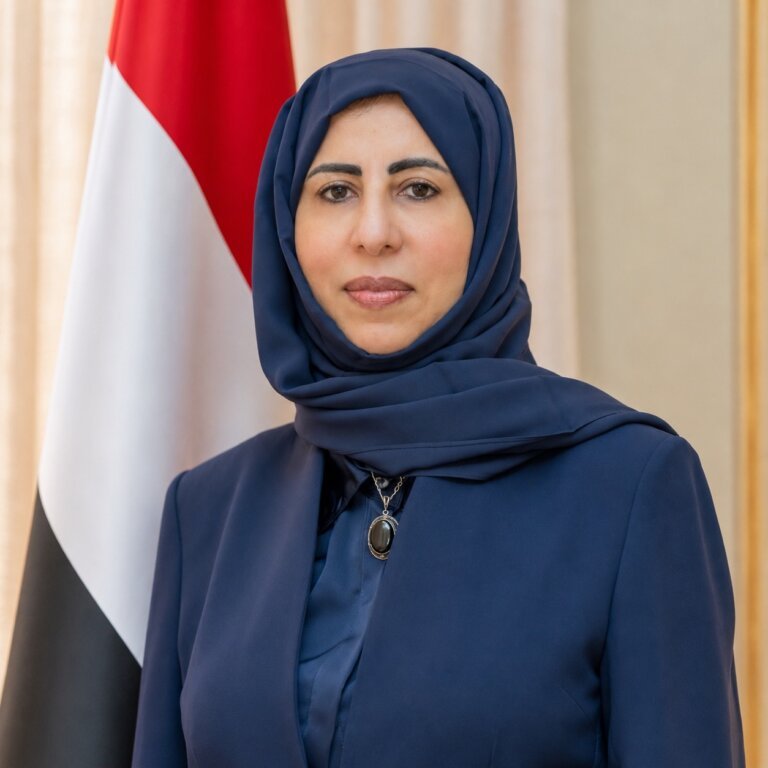
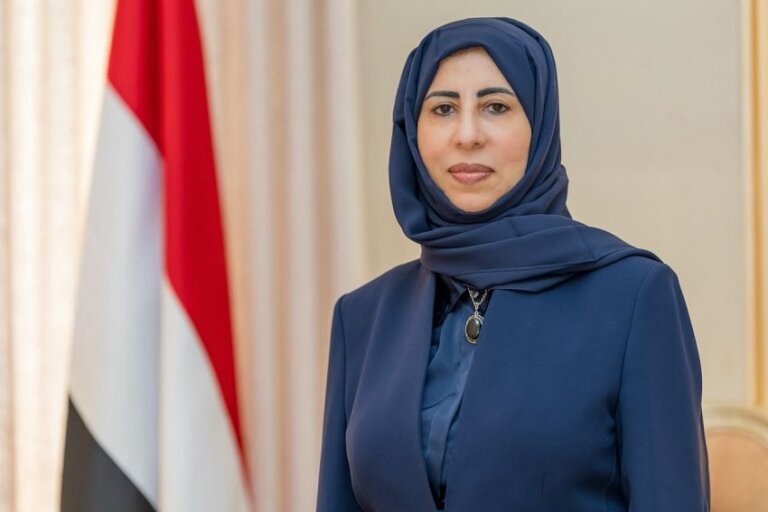
A significant development recently occurred when Dr. Afrah Al-Zouba, Yemen’s Minister of Planning and International Cooperation, organized a virtual meeting with the French Ambassador to Yemen, Catherine Corm-Kammoun. This dialogue set the stage for exploring numerous avenues of cooperation between Yemen and France, particularly in the realms of economic development and essential services financing. Discussions included topics such as institutional capacity building, support for national development strategies, health initiatives, and school nutrition programs.
Furthermore, the meeting touched on exploring methods to boost the role of the private sector in facilitating development. The goal is to create a more conducive environment where local businesses can thrive and contribute significantly to the national economy. The partnership hopes to leverage local capabilities while simultaneously encouraging foreign investment, which is crucial for fostering sustainable economic growth.
Improving water and health infrastructure emerged as a critical area of focus. Both parties discussed the potential for joint financial ventures in these sectors, acknowledging they are fundamental to improving public health and living conditions across Yemen. By aligning development efforts with other regional and international partners, Yemen aims to ensure that the impact of such projects is maximized, addressing the urgent needs of its citizens effectively.
In the context of this growing cooperation, several stakeholders must be recognized. First and foremost, the Yemeni government, represented by Dr. Afrah Al-Zouba, is committed to the development agenda that aligns with national priorities. Their focus on collaboration reflects an understanding of the pressing challenges faced by Yemen, such as widespread poverty, inadequate healthcare, and education shortfalls. The government’s engagement with international partners like France demonstrates a strategic approach to seeking assistance and addressing these critical issues.
On the other side of the discussion is the French government, led by Ambassador Catherine Corm-Kammoun. France has an established history of engagement in the Arab world, and its involvement in Yemen signifies an intent to play a proactive role in alleviating the humanitarian situation. The ambassador’s participation in these dialogues highlights France’s willingness to support crucial development initiatives, suggesting that the partnership could span various sectors, including infrastructure, health, and education.
Additionally, local Yemeni entities, including private sector representatives and civil society organizations, also have a significant role in the development equation. Their perspectives and needs must be incorporated into planning efforts to ensure that contributions are effectively tailored to the local context. These organizations are vital as they can provide insights on the ground realities and foster greater community engagement, which is essential for the success of any development program.
The collaboration between Yemen and France has the potential to have broader regional implications, particularly regarding trade connectivity and economic resilience. Yemen’s strategic location near the Bab al-Mandab Strait, a critical maritime chokepoint, offers an opportunity for trade facilitation with neighboring countries and regions. Enhanced economic cooperation can enable Yemen to become a more vital player in regional trade networks, which may provide a stabilizing effect beyond its borders.
Moreover, reinforcing Yemen’s institutional capacities could lead to a ripple effect throughout the region. By fostering development and stabilizing the economy, Yemen may present a model for other conflict-affected countries in the Arab world. Successful engagement in these areas could inspire similar collaborations in other divisions within the region, offering lessons and insights into how foreign partnerships can successfully foster growth and development amid adversity.
On the humanitarian front, improved health and water infrastructure resulting from this cooperation could address immediate needs exacerbated by the ongoing conflict. Enhanced coordination with international humanitarian organizations can maximize the impact of these initiatives, coupled with support from both local and international stakeholders. This could ease some of the humanitarian crises present in Yemen and potentially reduce the spillover effects of instability on neighboring nations.
The recent efforts to strengthen ties with France and highlight collaboration in development sectors signal a constructive change in Yemen’s approach towards international relations. As the country continues to grapple with a prolonged humanitarian crisis and economic challenges, diversifying partnerships beyond traditional allies will be crucial. This recognition of the need for multilateral support may provide Yemen with fresh avenues for financial assistance, expertise, and resources critical for recovery.
The emphasis on economic cooperation and development projects is strategically aligned with the priorities identified by the Yemeni government. By focusing on tangible outcomes in healthcare, education, and infrastructure, these initiatives can significantly improve the quality of life for citizens. Addressing these fundamental needs is crucial for restoring public trust in government efforts and fostering unity among the population, which has been deeply affected by years of conflict.
Nonetheless, the challenges are significant. Yemen’s divided political landscape and the ongoing conflict, specifically the entrenched interests from Houthi and other factions, create hurdles that could impede progress. Ensuring that development initiatives are evenly distributed and do not favor particular factions will be essential to mitigate tensions and avoid exacerbating existing divisions within the country. The Yemeni government and its international partners must devise strategies that promote inclusivity and engender peace.
Looking ahead, Yemen’s path toward recovery and development hinges upon the execution of collaborative frameworks that have emerged from discussions like that held by Dr. Al-Zouba and Ambassador Corm-Kammoun. Efforts to solidify concrete partnerships and mobilize resources will need to be prioritized in the coming months. Immediate attention should focus on developing implementation strategies that reflect the needs of the population and the realities on the ground.
The government will need to continue dialogues with other international partners while maintaining communication with local stakeholders to ensure an effective development approach. Aligning financial resources with ambitious national plans, particularly targeting key areas such as health and education, will require coherent and coordinated action from all involved parties.
Moreover, deeper engagement in regional trade discussions will potentially position Yemen favorably, enhancing its economic prospects while bolstering security. Efforts in this direction could enable Yemen to become an essential node in regional commerce, thus paving the way for a revival of its economy in the long term.
In conclusion, the recent virtual meeting between Yemeni and French representatives symbolizes a critical step towards revitalizing Yemen’s development strategy amid ongoing challenges. With the right focus and sustained efforts, Yemen might not only emerge from the darkness of conflict but also establish a stable and prosperous future for its citizens.
About the Author