The Geopolitical Implications of Maria Corina Machado’s Nobel Gesture to Trump
 Yemen Herald News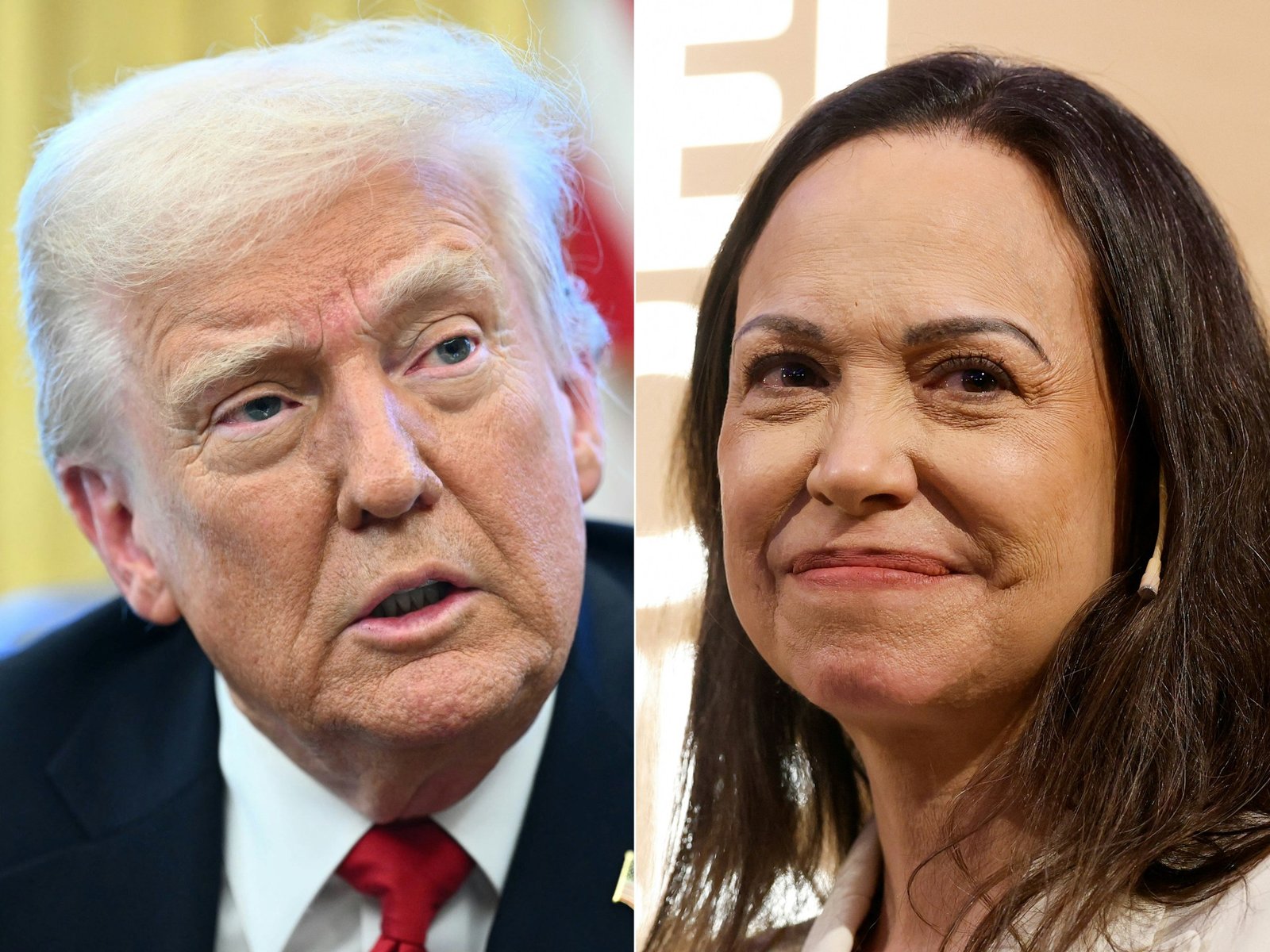
The recent act of Venezuelan opposition leader Maria Corina Machado presenting her Nobel Peace Prize medal to former President Donald Trump is not merely a symbolic gesture; it represents a seismic shift in the geopolitical landscape of Latin America and its implications for U.S. foreign policy in the region. This event underscores the complexities of international relations, where alliances are forged not just through diplomacy but through bold, often controversial actions.
Venezuela has been embroiled in a deep political crisis for years, characterized by economic collapse, humanitarian crises, and a struggle for power between the Maduro regime and opposition forces. The U.S. has long positioned itself as a champion of democracy in Venezuela, supporting opposition leaders like Machado, who has emerged as a prominent figure advocating for a transition away from authoritarian rule. The Nobel Peace Prize awarded to Machado in 2025 recognized her relentless efforts to restore democratic rights in Venezuela, but her recent actions raise questions about the nature of international support and the role of external powers in domestic conflicts.
Key Developments
In January 2026, Machado met with Trump at the White House, where she handed over her Nobel medal, an act that she later described as one without regrets. This meeting occurred shortly after Trump ordered U.S. special forces to detain Maduro, who is currently facing drug trafficking charges in the United States. Machado’s statement that Trump “risked the lives of his country’s citizens for Venezuela’s freedom” reflects a profound alignment with U.S. interventionist policies, which have historically been met with skepticism and resistance from various sectors within Venezuela and the broader international community.
Impact Analysis
The implications of Machado’s actions are multifaceted. Politically, this gesture solidifies her position as a pro-American figure in Venezuelan politics, potentially alienating her from segments of the population that view U.S. intervention as a violation of sovereignty. Economically, the U.S. has significant interests in Venezuela, particularly concerning its vast oil reserves. The removal of Maduro could pave the way for U.S. companies to re-enter the Venezuelan market, which has been largely inaccessible due to sanctions and political instability. However, the backlash against U.S. involvement could also lead to increased instability, as nationalistic sentiments rise in response to perceived foreign meddling.
Strategic Insight
From a strategic perspective, Machado’s alliance with Trump highlights a critical power shift in the region. The U.S. has historically been viewed as a destabilizing force in Latin America, often supporting coups and interventions that have led to long-term consequences. By aligning herself with Trump, Machado risks reinforcing a narrative that the U.S. is a self-serving actor rather than a genuine supporter of democracy. This could embolden other authoritarian regimes in the region to resist U.S. influence, potentially leading to a more polarized geopolitical environment. The Norwegian Nobel Committee’s insistence that the prize is non-transferable adds another layer of complexity, as it raises questions about the legitimacy of Machado’s actions and the future of her political career.
Looking ahead, several scenarios could unfold. If Machado continues to align closely with U.S. interests, she may gain support from the American government, which could facilitate her return to Venezuela and bolster her political ambitions. However, this could also lead to increased resistance from Maduro’s supporters and other opposition factions who may view her as a puppet of U.S. interests. Alternatively, if Machado distances herself from Trump and seeks to build a more independent political platform, she may regain some credibility among Venezuelans who are wary of foreign intervention. The upcoming presidential elections will be a critical juncture, as Machado’s ability to navigate these complex dynamics will determine her political future and the broader struggle for democracy in Venezuela.
Conclusion
Maria Corina Machado’s decision to present her Nobel Peace Prize medal to Donald Trump is a bold statement that encapsulates the intricate interplay of power, politics, and international relations in Venezuela. As the region grapples with the consequences of U.S. intervention and the quest for democratic governance, Machado’s actions will undoubtedly shape the narrative surrounding Venezuela’s future. The world will be watching closely as this saga unfolds, with implications that extend far beyond the borders of Venezuela, influencing U.S. foreign policy and the geopolitical landscape of Latin America for years to come.
About the Author