Nahid Rana Takes 5 for 24 as Bangladesh Bowl Pakistan Out for 114 in ODI Opener
 Yemen Herald News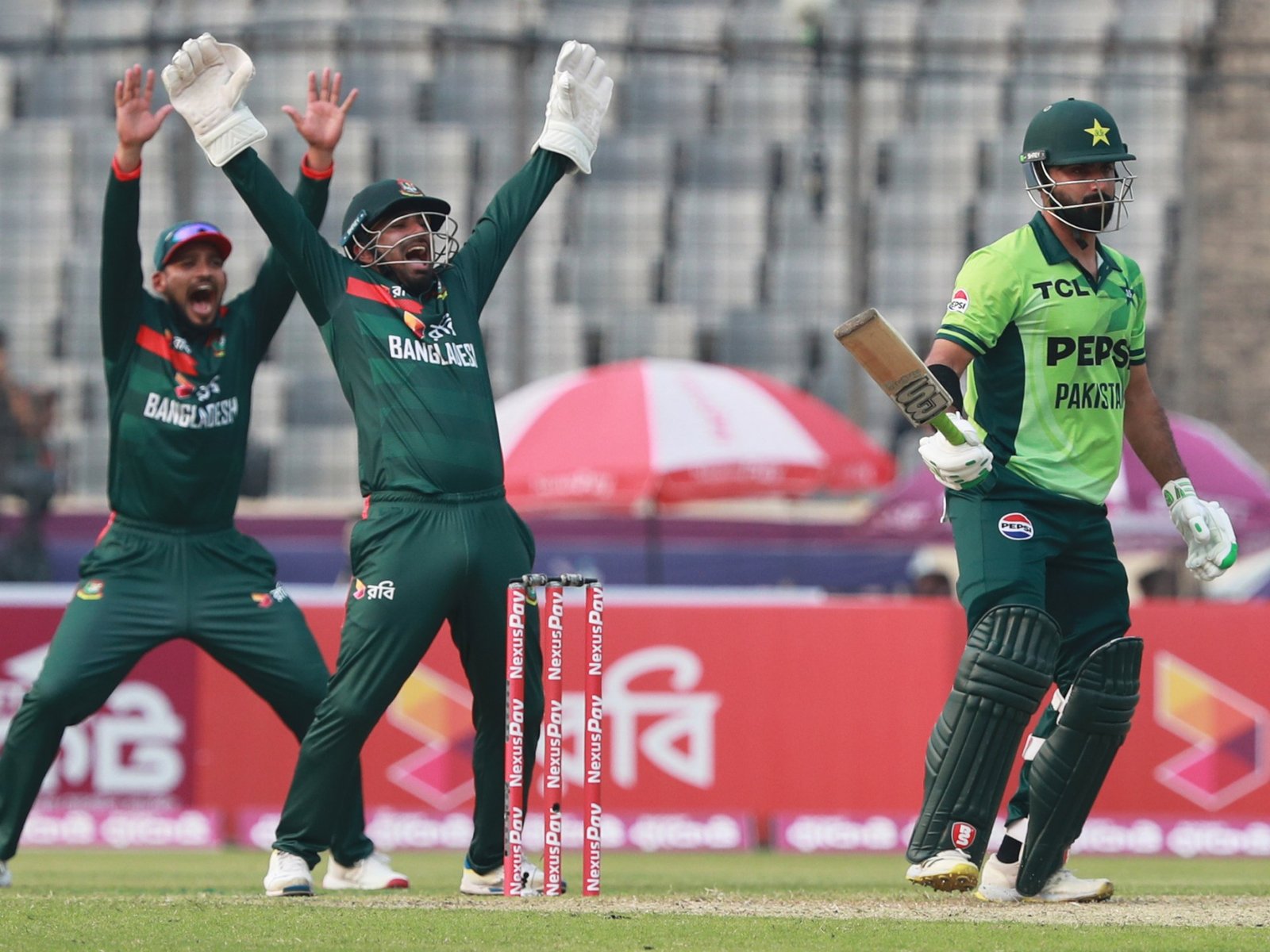
Bangladesh opened their three-match one-day international series against Pakistan with an eight-wicket win in Mirpur on Wednesday 11 March 2026, bowling the visitors out for 114 and chasing the target down inside sixteen overs. It was Pakistan’s lowest one-day total against Bangladesh, beating the 161 they made at the 1999 World Cup, and it gave the hosts a 1-0 lead in the series.
The match belonged to Nahid Rana. The 23-year-old fast bowler took 5 for 24, his first five-wicket haul in one-day internationals, and became the first Bangladeshi bowler to dismiss the opposition’s top five batters in a single ODI innings. He removed Sahibzada Farhan for 27, Shamyl Hussain for four, Maaz Sadaqat for 18, Mohammad Rizwan for ten and Salman Agha for five, leaving Pakistan 69 for five and without a recognised partnership to rebuild from.
Rana had taken only five wickets across his first five one-day appearances before this performance, a return that reflected both his inexperience in the format and the way Bangladesh had used him in short, sharp spells. His pace has been the point of interest since he emerged in Test cricket, and in Mirpur it was the combination of speed and a fuller length that undid a batting order rebuilt after a difficult run of results.
Captain Mehidy Hasan Miraz supported him well, taking 3 for 29 with his off-spin as the innings folded, while the senior seamers Taskin Ahmed and Mustafizur Rahman took a wicket apiece. Faheem Ashraf offered the only sustained resistance, making 37 according to the match reports at the time, before Pakistan were dismissed in 30.4 overs of the scheduled 50.
The reply was brisk. Tanzid Hasan made an unbeaten 67 from 42 balls, driving and pulling with the freedom that a small target permits, and put on 82 for the second wicket with Najmul Hossain Shanto, who contributed 27. Saif Hassan fell early for four, but the dismissal was immaterial; Bangladesh completed the chase in 15.1 overs.
Records of this kind tend to reflect a combination of a bowler in rhythm and a batting side out of it, and both applied. Pakistan’s dismissal for 114 was their lowest against Bangladesh in the format and among their lowest against any opponent in recent years, while the margin, eight wickets with more than thirty overs unused, ranked among the more comprehensive results between the two sides.
For Rana the milestone carried some historical weight. He became only the second Bangladeshi bowler to take five wickets in an ODI innings against Pakistan, following Mustafizur Rahman’s 5 for 75 at the 2019 World Cup in Lord’s, and he did so at a considerably lower cost. Bangladesh’s fast bowling has historically been the weaker part of an attack built around spin, and a home ODI win engineered by pace rather than by slow bowlers on a turning surface represented something of a departure.
The result also spoke to Pakistan’s position. The touring side arrived in a period of transition, with a batting order containing several players still establishing themselves at international level, and the collapse to 69 for five exposed how thin the middle order becomes once the top has gone cheaply. Mohammad Rizwan’s dismissal for ten was particularly costly given his role as the innings anchor, and Salman Agha’s early exit removed the other experienced option.
Mirpur’s Sher-e-Bangla National Cricket Stadium has traditionally rewarded spin and slower bowling, which made the manner of the win notable. Conditions in March, with some early-morning assistance for seam, gave Rana a window, and Bangladesh’s decision to bowl first after winning the toss proved decisive. Once the ball began to move, the visitors had no answer.
There was a broader context to the fixture as well. Bilateral series between the two boards have become less frequent as the international calendar has filled with franchise competitions and multi-team events, so a full three-match one-day series carries more weight for both squads than the schedule alone suggests, particularly for players trying to establish themselves in the fifty-over side.
Bangladesh’s recent one-day record had been mixed, and the emphatic nature of the victory offered the team management a straightforward selection argument going into the second match of the series. Rana’s workload management will remain a consideration; fast bowlers of his type have a history of injury in a crowded international calendar, and Bangladesh have handled him cautiously across formats.
For Pakistan, the series presented an early test of a rebuilt one-day setup ahead of a busy schedule. Their bowling had little to defend, so the result offered limited information about the attack, and the immediate questions concerned batting method against pace on a surface offering movement. The two sides completed the remainder of the series over the following week, with the visitors needing to win both matches to take it.
The win drew a large response at home, where Rana’s rise has been followed closely. Bangladesh’s cricketing culture has long celebrated its spinners and its top-order batters; a genuinely quick bowler capable of dismantling a Test-playing side’s top five in an ODI innings is a rarer commodity, and the performance in Mirpur was the clearest evidence yet of what he might offer over a longer career.
About the Author