Al-Subaihi and UNHCR Discuss Refugees and the Kharaz Camp in Yemen
 Yemen Herald News
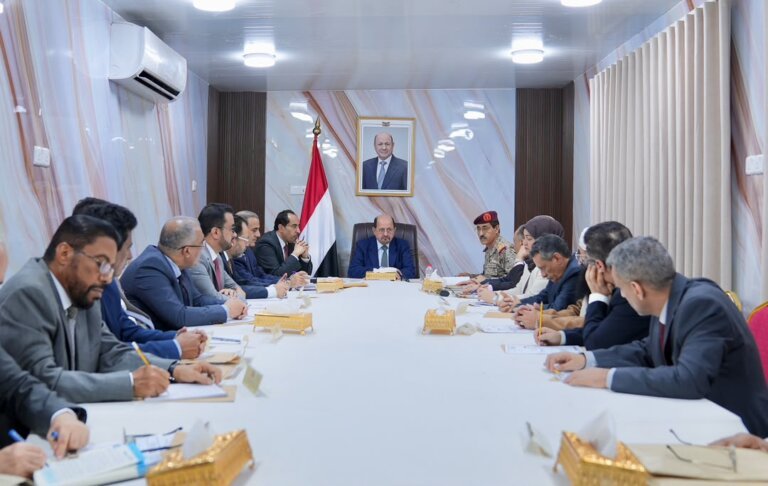
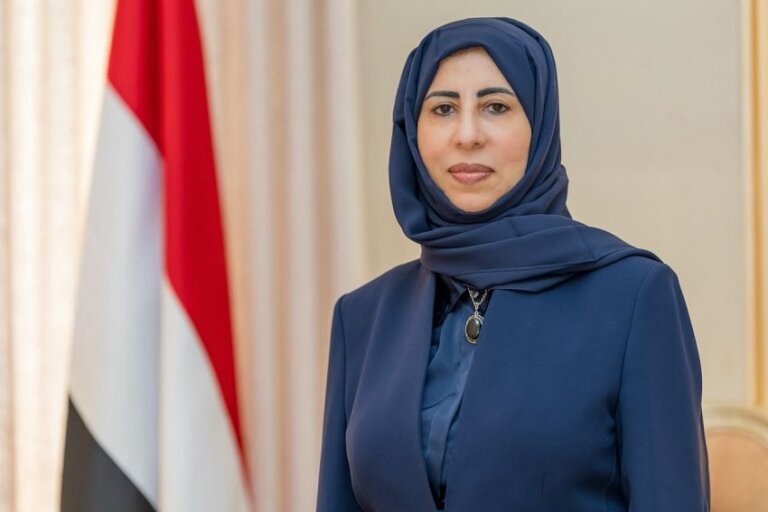
Yemen’s al-Subaihi and UNHCR have discussed the situation of refugees and host communities in the country, in a meeting held in Aden. Lieutenant General Mahmoud Salem al-Subaihi, a member of the Presidential Leadership Council, met Mohammed Nasri, the head of the office of the United Nations High Commissioner for Refugees in Yemen, to address issues concerning refugees and the communities that host them.
During their discussions, al-Subaihi and Nasri addressed Yemen’s commitments made at the Global Refugee Forum, exploring ways to translate those commitments into practical programmes aimed at strengthening humanitarian responses and supporting stability and development. The conversation reflected an effort to give effect to international undertakings through concrete action on the ground.
The meeting also touched on the principles of the Global Compact on Refugees, emphasising the importance of international responsibility-sharing in assisting host countries. This principle holds that the burden of hosting and supporting refugees should not fall solely on the countries where they arrive, but should be shared by the international community.
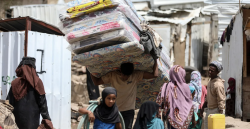
The two officials reviewed the situation at the Kharaz refugee camp in Lahj governorate, discussing the challenges faced by both the refugees living there and the host community. Such reviews allow officials to assess conditions and to identify the needs and difficulties that require attention in a setting shaped by prolonged displacement.
Yemen’s role as a host of refugees is a striking feature of its situation. Despite being engulfed in its own severe humanitarian crisis, the country has long hosted refugees and migrants, many of them from the Horn of Africa, who have crossed to Yemen in search of safety or in transit to other destinations, adding a further dimension to the country’s challenges.
The Kharaz camp, referenced in the meeting, is among the longstanding sites hosting refugees in Yemen. Camps of this kind, sustaining populations over extended periods, face persistent challenges in providing adequate services and conditions, particularly in a country where resources are severely strained by conflict and where the needs of the wider population are immense.
The challenges faced by host communities, highlighted in the discussion, are significant. Communities that host refugees often share their limited resources and services with the newcomers, and in a context as strained as Yemen’s, this can add to the pressures they face, underscoring the importance of support for host communities as well as refugees.
The Global Refugee Forum, at which Yemen made commitments, is a mechanism through which states and other actors pledge support and action on refugee issues. Commitments made in such forums reflect an engagement with the international framework for addressing displacement, and translating them into practical programmes is central to their value.
The emphasis on international responsibility-sharing reflects a principle central to the global approach to refugees. Given the uneven distribution of the burden of hosting refugees, the principle holds that the international community should support countries that host them, a consideration of particular relevance to a country such as Yemen facing its own crisis.
UNHCR, the United Nations refugee agency, plays a central role in supporting refugees and host communities in Yemen and around the world. Its engagement with the Yemeni authorities reflects the collaborative effort required to address the needs of refugees, and its work is essential to sustaining assistance and protection for displaced populations.
The linkage of refugee responses to stability and development reflects an understanding of their broader significance. Addressing the needs of refugees and host communities can contribute to stability by easing tensions and meeting needs, while integrating such responses with development efforts supports more durable solutions to displacement.
The situation of refugees in Yemen is compounded by the country’s own conflict and crisis. Refugees and migrants in Yemen face not only the challenges common to displacement but also the dangers and hardships of a country at war, making their situation particularly precarious and the need for support especially acute.
The practical programmes discussed in the meeting reflect an effort to move from commitments and principles to tangible action. Delivering assistance, improving conditions and supporting both refugees and host communities require concrete initiatives, and developing such programmes is central to giving effect to the commitments and principles referenced in the discussion.
The involvement of a Presidential Leadership Council member in the meeting underscores the significance the government attaches to the issue. Engagement at senior levels reflects an awareness of the importance of refugee matters and of the country’s role as a host, as well as of the value of cooperation with UNHCR in addressing them.
The paradox at the heart of the discussion, a country in the grip of one of the world’s worst humanitarian emergencies continuing to shelter refugees from beyond its borders, gives Yemen a particular moral standing in appeals for international support. Officials have often pointed to it as evidence of the country’s continued adherence to its obligations even under extreme duress, and as a reason for the wider community to share the burden more equitably. For the refugees themselves, many of whom have spent years at sites such as Kharaz, the meeting held out the prospect, however modest, of renewed attention to conditions that prolonged displacement has made increasingly difficult.
For now, the meeting between al-Subaihi and Nasri reaffirmed the engagement of the Yemeni government and UNHCR on refugee issues and the commitment to translating international undertakings into practical action. As Yemen contends with its own crisis while hosting refugees, cooperation of this kind remains important to addressing the needs of some of the most vulnerable people within its borders.
About the Author