Yemen Herald Editorial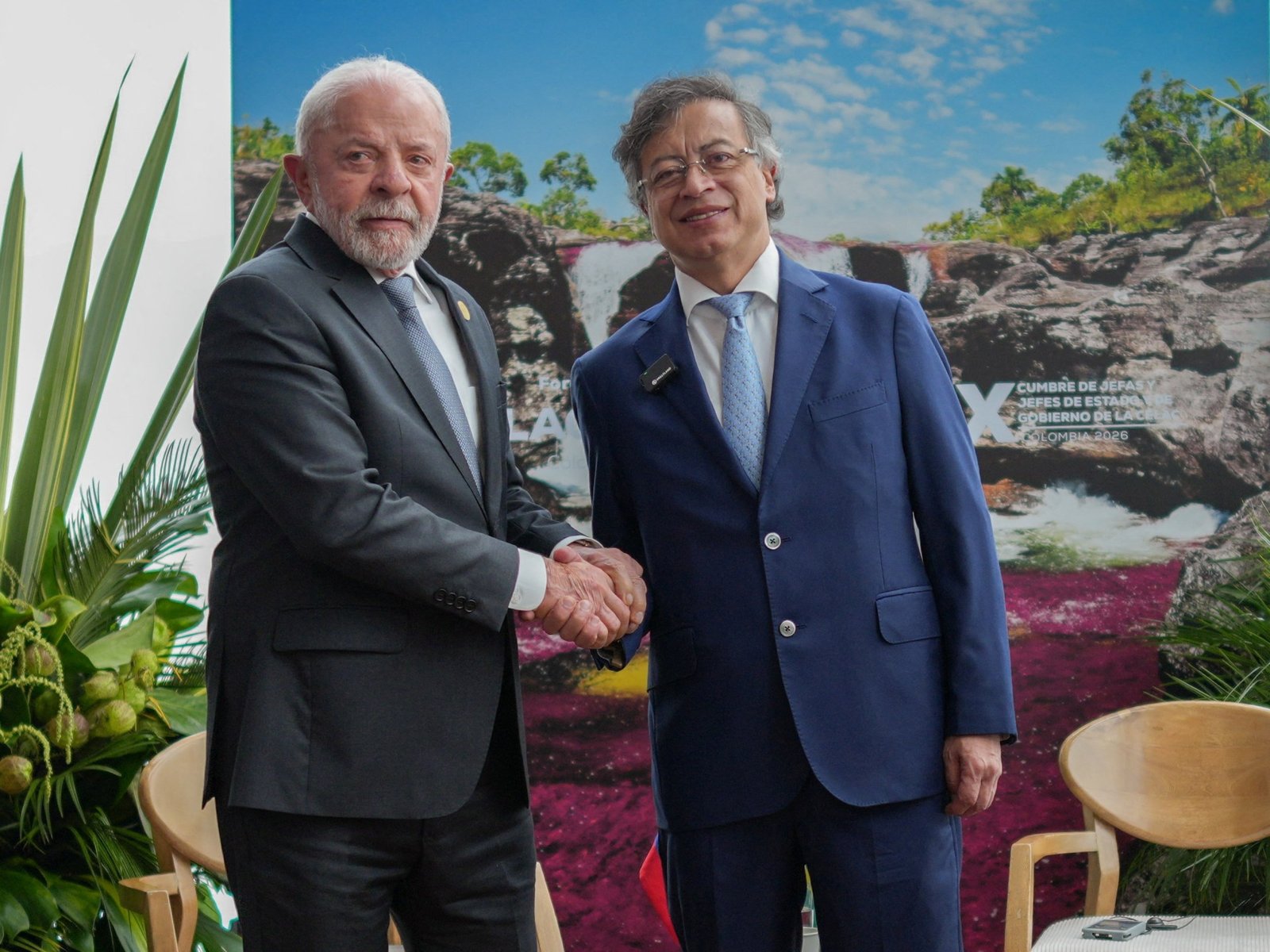
Brazilian President Luiz Inacio Lula da Silva has expressed strong criticism of what he perceives as a resurgence of colonial attitudes towards developing nations. Speaking at a summit for the Community of Latin American and Caribbean States (CELAC) in Colombia, Lula highlighted concerns over foreign interference, particularly referencing actions associated with the United States. He pointed to the abduction of Venezuelan leader Nicolas Maduro and the ongoing fuel blockade in Cuba as examples of undemocratic practices.
During his address, Lula emphasized that it is unacceptable for any nation to claim ownership over others. He remarked, “What are they doing with Cuba now? What did they do with Venezuela? Is that democratic?” His comments reflect a broader apprehension regarding the exploitation of Latin American resources, as he noted that countries in the region have historically been plundered for their natural wealth, including gold and minerals. Lula warned that there is a contemporary desire among some nations to “own the critical minerals and rare earths” found in these countries, suggesting a new form of colonization.
The Brazilian president also criticized the ongoing military actions led by the US and Israel against Iran, drawing parallels to the US invasion of Iraq in 2003. He questioned the justification for these interventions, asking rhetorically about the whereabouts of the alleged weapons of mass destruction that were purportedly the basis for the Iraq war. Lula’s remarks underscore a growing frustration with what he sees as a pattern of interventionist policies that undermine the sovereignty of nations.
In addition to addressing foreign interference, Lula expressed dissatisfaction with the United Nations’ effectiveness in preventing conflicts globally. He called for reform of the UN Security Council, which he believes has failed to fulfill its mandate of ensuring international peace and security. Colombian President Gustavo Petro echoed Lula’s sentiments, criticizing the UN for its perceived impotence in addressing ongoing wars and conflicts.
The summit in Colombia saw a limited turnout from Latin American leaders, reflecting the continent’s divisions. Among those present were the presidents of Brazil, Uruguay, and Colombia, along with other regional representatives. Lula’s comments resonate with a growing sentiment among left-leaning politicians in Latin America who are wary of foreign influence and advocate for greater autonomy and self-determination for their nations.
About the Author