At Least 70 Killed in Gran Grif Gang Attack on Jean-Denis in Haiti’s Artibonite
 Yemen Herald News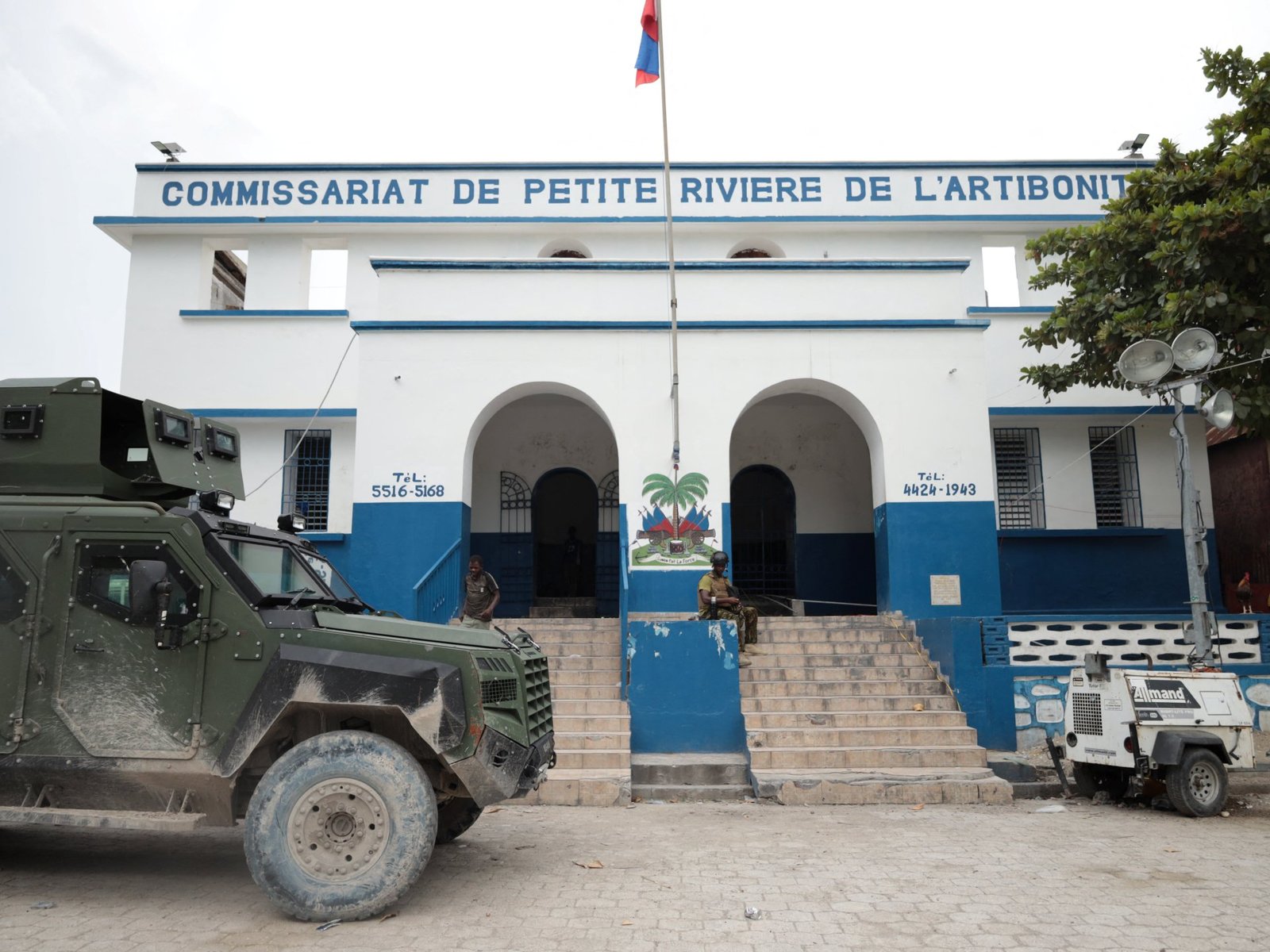
At least 70 people were killed and more than 30 wounded in an armed attack on the Jean-Denis area of Haiti’s Artibonite department between 28 and 30 March 2026, according to the human rights organisation Defenseurs Plus. The figure, corroborated by the National Human Rights Defence Network, was several times higher than the official count issued by Haitian authorities in the first hours after the assault.
Residents said gunmen entered the rural communities around Jean-Denis at roughly three o’clock on the Sunday morning, shooting at people in their homes and in the streets and setting houses alight. The violence had begun the previous day and continued into Monday. Survivors described counting bodies in the open on Sunday morning, and dozens of homes were burned. Rights groups warned that the final toll could exceed 100 once bodies were recovered from areas that remained inaccessible.
The official figures lagged well behind. The Haitian National Police initially reported 16 dead and 10 injured. Civil protection authorities later revised that to 17 dead and 19 wounded, most of them men. A spokesperson for the United Nations Secretary-General said the organisation’s office in Haiti, BINUH, was monitoring the situation and that estimates of the number killed then ranged from 10 to 80, and called for a full investigation to establish what had happened.
Displacement was immediate and large. Local officials and residents estimated that around 6,000 people fled the area during and after the attack, abandoning farms and homes in one of the country’s principal rice-growing regions. The United Nations had already recorded more than 2,000 people displaced from nearby communities by earlier raids, so the March assault compounded a movement of people that was under way before it began.
Advocacy groups attributed the attack to the Gran Grif gang, which is based in Savien in the Artibonite and operates as part of the Viv Ansanm coalition of armed groups. A message circulated on social media, said to come from the group’s leader Luckson Elan, framed the violence as retaliation against a rival faction. Elan has been under United States and United Nations sanctions in connection with earlier violence in the department.
Gran Grif has a documented record in the same area. In October 2024 the group carried out a massacre at Pont-Sondé, a short distance from Jean-Denis, in which more than 100 people were killed and thousands displaced. That attack drew international condemnation and promises of a reinforced security presence in the Artibonite. The March 2026 assault took place in communities within a few kilometres of it.
The police response was limited by the conditions on the ground. Three armoured vehicles were deployed toward the affected communities, but their advance was slowed by obstacles that gang members had placed across the access roads. By the time officers reached the area, several homes were already destroyed and much of the population had left. Defenseurs Plus described the security posture in the Artibonite as an abdication of the state’s responsibility to protect civilians, arguing that repeated warnings about the area had produced no durable deployment.
That criticism reflects a structural problem rather than a single failure. The Artibonite lies outside Port-au-Prince, where the bulk of Haiti’s limited police capacity and most international attention have been concentrated. As armed groups consolidated control over the capital through 2024 and 2025, their affiliates expanded along the national roads into the agricultural interior, where police stations are thinly staffed and reinforcement can take hours.
The economic consequences extend well beyond the affected villages. The Artibonite valley produces a substantial share of Haiti’s domestically grown rice, and the seasonal labour required to plant and harvest it depends on people being able to reach their fields safely. Repeated displacement in the department has already reduced planted area and pushed the country further onto imported food at a time when the currency and household purchasing power have both weakened.
Verifying casualty figures in the Artibonite is difficult for the same reasons that make the area vulnerable. Journalists and monitors cannot move safely through communities under armed group control, and survivors scatter across several communes within days. The gap between the police figure of 17 dead and the rights groups’ count of more than 70 reflects that access problem more than a dispute about what took place.
International response to the Artibonite attacks has been constrained by the state of the security mission in Haiti. The Kenyan-led Multinational Security Support mission, authorised by the United Nations Security Council in 2023 and deployed from mid-2024, has operated persistently below its intended strength and funding, and its footprint outside the capital has been minimal. Calls for a reinforced or restructured international presence have been made repeatedly since the Pont-Sondé massacre without producing a deployment capable of holding rural territory.
For the residents of Jean-Denis, the immediate question after March 2026 was whether they could return at all. Communities displaced by earlier attacks in the department have in many cases not gone back, either because their homes were destroyed or because the armed group that drove them out remains in the area. Aid organisations working in the Artibonite have described a pattern in which each attack converts temporary displacement into permanent abandonment of land, and each abandoned settlement widens the territory in which armed groups face no contest at all.
About the Author