Discussions between Taiz Axis Chief of Staff focused on enhancing cooperation.
 Yemen Herald News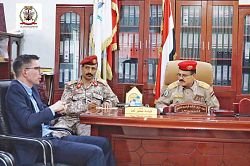
In the backdrop of this turmoil, Taiz Governorate has become a focal point of conflict and humanitarian need. The city of Taiz has faced intense violence and blockades, making it difficult for aid organizations to reach those in need. Health crises continue to emerge, with recurring outbreaks of cholera and measles exacerbating an already dire situation. The International Committee of the Red Cross (ICRC) has been one of the key humanitarian organizations operating in this region, working to provide medical support and other essential services to vulnerable populations.
The ICRC’s mission in Yemen is critical, given the scale of the humanitarian challenges facing the country. The organization’s efforts are geared towards alleviating the suffering of civilians affected by the war while navigating the complexities of operating in a conflict zone. Enhancing cooperation with local authorities is essential for the effective delivery of humanitarian aid, underscoring the importance of discussions between military leadership and humanitarian organizations.
On a recent occasion, Major General Abdulaziz al-Majidi, the Chief of Staff of the Taiz Axis, met with Johannes Roth, the Deputy Head of the ICRC mission in Yemen. The purpose of their discussions was to explore strategies for improving collaboration and coordination within humanitarian efforts in the region. During this meeting, Major General al-Majidi emphasized the commitment of the Axis command to support the ICRC’s crucial work and facilitate its operations within Taiz Governorate.
The conversations highlighted ongoing support and various projects the ICRC has implemented within the governorate, particularly focusing on enhancing the health sector. The organization has played an essential role in addressing acute health challenges, including but not limited to access to medical care and treatment for diseases. This focus is critical, given the health crises that have emerged amidst worsening living conditions for the civilians caught in the conflict.
Deputy Head Roth expressed gratitude to the Taiz Axis leadership for their continued support and collaboration, reinforcing the importance of partnership in meeting the needs of the local population. Both figures identified the need for a sustained commitment to humanitarian initiatives that alleviate the suffering of the affected communities. Their discussions reaffirmed the crucial role of coordinated efforts in overcoming barriers to effective aid delivery in conflict-ridden areas.
Key stakeholders in the ongoing humanitarian efforts in Yemen include local governing bodies, international humanitarian organizations, and the populations affected by the conflict. In this specific instance, Major General al-Majidi represents the military leadership that oversees operations in Taiz, while Johannes Roth embodies international humanitarian efforts aimed at alleviating the dire situation caused by the civil war. The engagement of these stakeholders is vital to ensure that humanitarian assistance reaches those who need it most.
The ICRC is a major player in the humanitarian landscape of Yemen, with a focus on providing life-saving assistance and promoting adherence to international humanitarian laws. Their projects often include medical support, access to clean water, and food distribution, addressing both immediate and long-term needs of affected populations. Organizations like the ICRC need to maintain strong working relationships with local authorities to navigate the challenges presented by the ongoing conflict and bureaucratic barriers that can hinder aid efforts.
Furthermore, the local communities themselves are crucial stakeholders in this scenario. Civilians in Taiz and surrounding areas are not only the primary recipients of humanitarian assistance, but they are also key informants of the needs and challenges facing their communities. Thus, their experiences and insights are invaluable for shaping effective humanitarian strategies. Engaging local populations in the planning and execution of aid projects can lead to more relevant and effective interventions, ultimately enhancing the impact of humanitarian efforts.
The conflict in Yemen and the ongoing humanitarian crisis have broader implications for the region, particularly in terms of security, stability, and migration. The situation has attracted international attention, with various stakeholders keenly observing the unfolding drama due to the geopolitical significance of Yemen, especially given its strategic location near the Bab al-Mandab Strait. This narrow waterway is essential for global maritime trade, making political stability in Yemen critical not only for its neighbors but for international stakeholders as well.
The ongoing hostilities have exacerbated tensions in the Middle East, fueling the proxy dynamics between nations such as Saudi Arabia and Iran. As the Houthis are often viewed as an Iranian proxy, the conflict has implications for regional power dynamics and influence. This situation complicates potential pathways to peace, as international actors navigate their interests while responding to the humanitarian catastrophe that many Yemeni civilians are enduring.
Moreover, the worsening humanitarian crisis has sparked concerns about mass migration and displacement, as people flee violence and seek refuge in safer areas or neighboring countries. The strain on host communities often leads to tensions and resource allocation issues, further complicating the regional stability landscape. Humanitarian organizations like the ICRC play a vital role in mitigating these risks by providing support to both displaced populations and the communities housing them.
The lawlessness and instability generated by the conflict further challenge the international community’s ability to coordinate effective interventions. Without a coherent strategy that includes addressing the humanitarian needs, regional security will continue to be compromised. The need for a multilateral approach that unites various stakeholders is paramount to addressing the underlying issues of the crisis.
The discussions between Major General al-Majidi and Johannes Roth reflect a growing recognition of the critical need for effective coordination between military and humanitarian efforts in conflict zones. The commitment expressed by the Taiz Axis leadership to facilitate the ICRC’s missions underscores an understanding that humanitarian assistance is not only vital for alleviating immediate suffering but is also crucial for maintaining social stability in the region.
This cooperative spirit is an essential step toward fostering a better environment for humanitarian agencies to operate. However, such coordination must extend beyond mere dialogue to encompass actionable strategies that ensure aid reaches those most in need. The complexities of operating in a conflict zone demand heightened collaboration, which must include both military and civil actors working toward the common goal of improving the humanitarian situation.
Despite these discussions signaling progress, challenges remain. Bureaucratic hurdles, security concerns, and intermittent violence can severely limit the scope and effectiveness of humanitarian efforts. Thus, while the commitment shown in meetings like this is important, it should be accompanied by tangible measures that remove obstacles to aid delivery, such as ensuring safe passage for humanitarian workers and supplies.
Moreover, there is a pressing need for sustained funding and resources to support humanitarian initiatives. Many organizations are struggling to meet increasing demands, and consistent financial support from international donors is essential to maintain operations. Without adequate funding, humanitarian organizations may find their capacity greatly limited, exacerbating the suffering of already vulnerable populations.
The progression of humanitarian efforts in Taiz Governorate will depend largely on the continued commitment of local military authorities and international organizations to work together. The initial positive discussions between Major General al-Majidi and Johannes Roth should be seen as a foundation for future collaboration, with expectations that both parties will take tangible steps to enhance their partnership in the days to come.
Moving forward, it will be crucial for the ICRC and other organizations to explore new avenues for cooperation that can overcome existing barriers to aid delivery. This may involve establishing more formal frameworks for collaboration or creating joint task forces dedicated to specific humanitarian challenges within the governorate. Additionally, there may be opportunities for local stakeholders, including civil society organizations, to play a more significant role in the humanitarian response.
Moreover, the regional dynamics surrounding the Yemen conflict will continue to evolve as international attention remains focused on the crisis. Policymakers and humanitarian leaders alike must remain attuned to these developments, determining how shifts in regional power dynamics may impact humanitarian access and influence operational strategies. Strategic planning that considers potential changes in alliances and conflict dynamics will be essential for ensuring that humanitarian efforts can adapt as necessary to meet the needs of the population.
Ultimately, while the path ahead is fraught with challenges, it also presents opportunities for renewed cooperation and impact in one of the world’s most pressing humanitarian crises. By maintaining dialogue and a commitment to partnership, both local authorities and international NGOs can work towards a more effective humanitarian response that addresses the enduring hardships faced by the people of Yemen.
About the Author