Al-Arada affirms the establishment of a professional national military institution.
 Yemen Herald News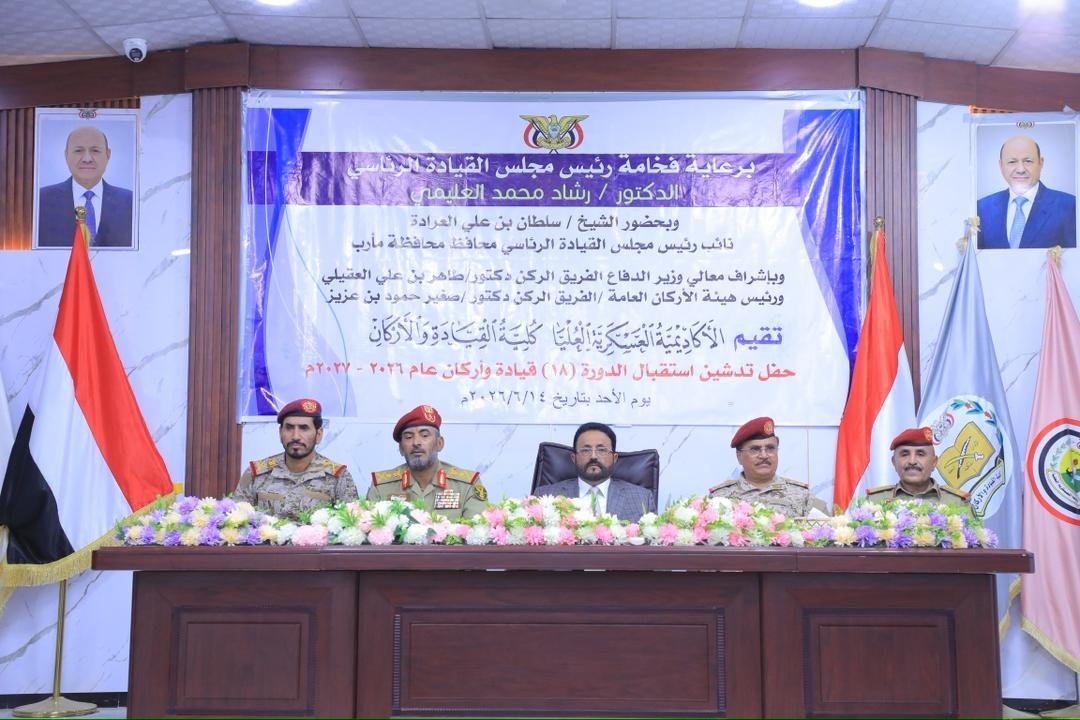
Yemen has been entangled in a multifaceted civil war since 2015, a conflict characterized by the struggle between the Houthis, which controls significant portions of the north, and the internationally recognized government based in Aden. The war has drawn in regional powers, with a Saudi-led coalition conducting military operations against the Houthis, while Iran is believed to provide support to the insurgents. The violence has created one of the world’s worst humanitarian crises, displacing over 4.5 million people and leaving more than 18 million in need of assistance.
The ongoing conflict has necessitated a focused effort to build a capable and effective national military, as the security situation remains precarious. Recently, the Presidential Leadership Council—the body of leaders overseeing the government’s operations—has emphasized the development of military institutions as a cornerstone for national resilience and state-building. As Yemen grapples with the physical and economic destruction wrought by years of war, the need for a professional military is intertwined with the broader goals of stability, governance, and reconstruction.
Marib, a strategic region in northern Yemen, has witnessed intense fighting and serves as a focal point for military efforts. The city is not only crucial for local governance but also plays a significant role as a stronghold against Houthi advances. The population here has historically demonstrated resilience, and ongoing military training initiatives signify a commitment to enhancing the capabilities of the armed forces. In such a contested environment, national pride and a belief in the army’s ability to protect the homeland are crucial in rallying public support and restoring hope.
During a recently held ceremony at the Higher Military Academy in Marib, Sultan al-Arada, a member of Yemen’s Presidential Leadership Council and Governor of Marib, articulated a vision for creating a robust national military institution. He identified this initiative as a strategic necessity for Yemen, accentuating the importance of ongoing training and capacity-building programs aimed at improving the armed forces’ readiness and operational efficiency. Such efforts fall in line with the wider national goal of fostering a strong military that reflects professional standards and adheres to a clear national doctrine.
Al-Arada acknowledged the deep sacrifices made by military personnel in defense of Yemen’s sovereignty and urged the continued development of military competencies among officers and soldiers. He highlighted that a well-prepared military is not just about effective combat operations; it involves building awareness among the ranks and fostering a culture of professionalism rooted in discipline and integrity. Specifically, he called for enhanced training standards and educational initiatives within military and civilian sectors to uplift overall national capabilities.
The ceremony featured prominent military and civilian leaders, including Lieutenant General Sagheer bin Aziz, Chief of Staff and Commander of Joint Operations. Al-Arada stressed that to fortify the nation, collective responsibility is essential, emphasizing the idea that all sectors—military, educational, and civil—must work in unison to mitigate the country’s ongoing challenges. This underscores the view that recovery and rebuilding in Yemen require an all-hands approach, with contributions from various fields being integral to overall progress.
The primary stakeholders in this initiative include the Presidential Leadership Council, local military leadership, various governmental figures, and the Yemeni populace. The Presidential Leadership Council, under President Dr. Rashad Mohammed al-Alimi, comprises members from different political factions that are united in their goal of restoring stability and national unity in the face of ongoing conflict. Their commitment is vital as they navigate the complexities of governance and military deployment amidst chaotic conditions.
Lieutenant General Sagheer bin Aziz plays a crucial role as the Chief of Staff and Commander of Joint Operations, helping translate the council’s vision into actionable military strategies. His leadership is marked by a focus on combat preparedness and operational excellence, aligning with Al-Arada’s emphasis on professionalism and discipline within the armed forces. Combined with other military leaders like Brigadier General Faisal Shizer of the Higher Military Academy, the coordinated efforts among military ranks indicate a shared commitment to developing an effective fighting force.
Local communities in Marib are also key stakeholders; they bear the brunt of the conflict and will directly benefit from improvements to security and military effectiveness. The armed forces’ successes in the region can contribute to restoring normalcy, which has profound implications for civilians living through the ongoing humanitarian crisis. Citizens’ perceptions regarding the military’s role and effectiveness can influence recruitment and public support for military initiatives.
Yemen’s ongoing military developments hold significant ramifications for the wider region, particularly in terms of security dynamics in the Gulf and the Red Sea. The strategic location of Yemen near the Bab al-Mandab Strait—a critical global maritime chokepoint—means that its stability is of international concern. Ongoing military enhancements and the establishment of a competent national army could deter maritime threats and bolster regional security.
Additionally, the conflict in Yemen impacts neighboring countries, with potential shifts in alliances and military strategies. Regional powers, especially Saudi Arabia and Iran, are closely monitoring the developments, as the outcome of the Yemeni conflict has broader implications for their own geopolitical interests. Should Yemen succeed in building a capable and unified military, it could challenge the existing balance of power, alter regional security arrangements, and affect humanitarian efforts.
Moreover, the implications of military consolidation also extend into socio-economic territories. A disciplined and effective military can aid in curbing insurgent activities, offering a pathway to economic stability and development. As the military gains strength and capability, the attention could shift toward reconstruction and humanitarian efforts, potentially paving the way for international cooperation and investment in Yemen.
Al-Arada’s emphasis on developing the military aligns with the urgent need for state institutions to evolve beyond their current limitations. The focus on training and building a disciplined army indicates that Yemen’s leadership is aware that military prowess is more than just armaments—it involves instilling a sense of duty, professionalism, and capability among military personnel. These factors are essential in securing public trust and support during a time of profound uncertainty.
The commitment to enhancing both military and civilian educational standards is a vital recognition that the future of the armed forces is inextricably linked to the nation’s broader human resource development. This holistic approach may foster a generation of skilled professionals armed with both military and civil insights, necessary for a holistic national rebuilding effort. The capacity-building initiatives are indicative of a long-term vision aimed at national renewal rather than mere short-term military victories.
Nonetheless, challenges remain. Factionalism within the armed forces, resource constraints, and the ongoing humanitarian crisis create barriers to establishing a fully equipped and professional military institution. Moreover, the sustained training and development of personnel require not only commitment from leadership but adequate funding and resources, which are often scarce in conflict zones. Thus, while the initiatives outlined are promising, realistic pathways must be created to address these overarching challenges.
The immediate future will likely see continued efforts to enhance the training and operational capacity of Yemen’s military forces as outlined by Al-Arada. As new cohorts of military officers are trained, there is an expectation for more organized and coordinated military operations, especially in strategic regions like Marib. The leadership’s focus on creating a competent military might lead to more proactive measures against threats posed by Houthi insurgents and other local groups.
Concurrently, the Presidential Leadership Council may seek to engage international partners to gain logistical and material support necessary for these military reforms. Strategic partnerships could lead to the provision of technical assistance, training opportunities, and financial resources needed for capacity-building efforts. This would underscore Yemen’s desire to integrate into the international community, particularly regarding self-sustainability in defense mechanisms.
In a broader context, the evolving security landscape in Yemen could lead to shifts in humanitarian responses. As military foundations strengthen, there might be renewed focus on stabilizing affected regions and addressing urgent humanitarian needs. However, this will require coordinated action among various stakeholders, including local governance and international humanitarian organizations, to align military advances with efforts aimed at relief and reconstruction.
Ultimately, the success of these initiatives will be measured not solely by military achievements but by the tangible impacts on the lives of Yemeni citizens. The road ahead remains complex and uncertain, but with consolidated efforts, Yemen could work toward a more secure and stable future, reducing suffering and rebuilding its war-torn society.
About the Author