
Since early June, 2,843 mines and unexploded ordnance have been removed by Masam.
 Yemen Herald News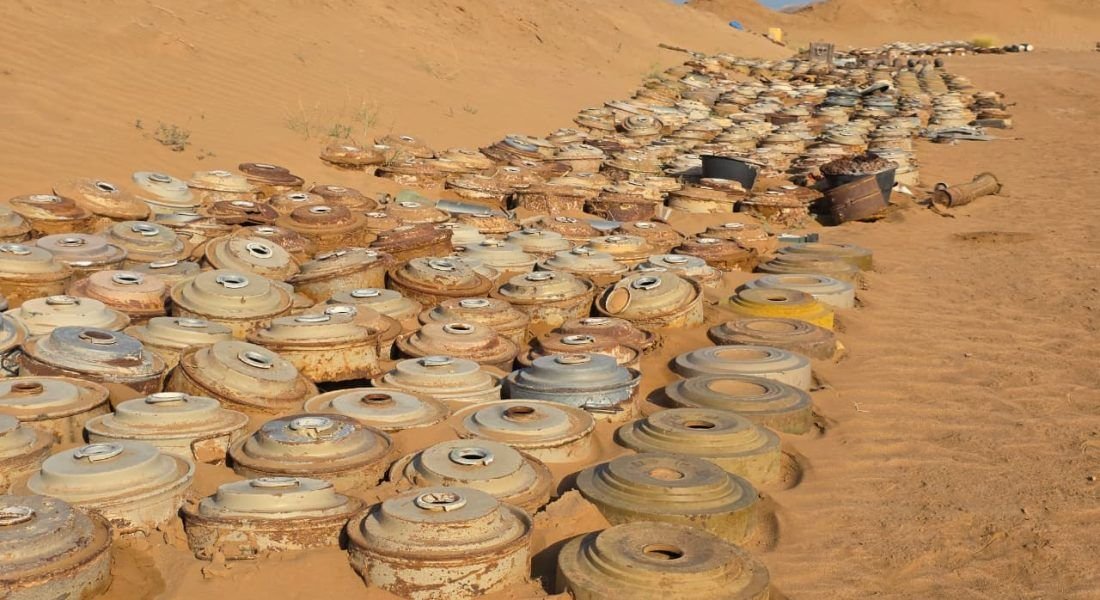
The Yemen conflict, which has persisted since 2015, has left the country in a state of turmoil, significantly impacting its civilian population. The war primarily involves a standoff between the Houthi movement, which controls significant portions of the country, and the Saudi-led coalition backing the internationally recognized government situated in Aden. The ongoing violence has resulted in a humanitarian crisis of alarming proportions, with more than 18 million people in dire need of assistance and over 4.5 million internally displaced due to relentless fighting.
Amid this conflict, the presence of landmines and unexploded ordnance poses a severe risk to civilians. These remnants of war threaten lives, hinder humanitarian aid efforts, and contribute to the ongoing cycle of violence and instability. International organizations and humanitarian projects have stepped in to address this urgent issue, aiming to clear dangerous materials and ensure a safer environment for the affected populations.
One such initiative is the “Masam” Project, established to tackle the dire effects of mines and explosive devices littered across various Yemeni territories. Launched in June 2018, Masam seeks to safeguard civilians by conducting extensive land-clearing operations. It addresses both the immediate dangers posed by mines and the long-term goal of restoring affected areas so that communities can safely return and rebuild their lives.
Recent reports indicate that the Masam Project has made significant strides in mine clearance efforts, particularly between June 1 and June 12, 2023. During this short window, teams working under the project safely removed a total of 2,843 explosive hazards, further underscoring the ongoing threat these devices pose to public safety. The types of materials extracted included 2,708 unexploded ordnance items, 104 anti-tank mines, 29 anti-personnel mines, and a couple of explosive devices, demonstrating the diversity of risks in the region.
In one of the project’s focal areas, the Midi District of Hajjah Governorate, Masam teams reached a significant milestone by surpassing the removal of over 10,178 explosive hazards since commencing work there. Additionally, they have successfully cleared approximately 3,276,724 square meters of land, making it safer for the local population and facilitating humanitarian aid delivery. This facility has profound implications for community recovery and rebuilding efforts in the area.
Overall, since its inception nearly five years ago, the Masam Project has removed 567,182 hazardous materials, which includes a total of 399,806 items of unexploded ordnance, 151,554 anti-tank mines, and 7,358 anti-personnel mines, along with various explosive devices. These efforts reflect a commitment to alleviating the dangers faced by civilians and restoring stability to war-affected regions across Yemen.
Various stakeholders are involved in the Masam Project, including the Saudi-led coalition and multiple international humanitarian organizations. The project operates under a mandate to restore a degree of safety in regions heavily impacted by conflict, focusing its resources on land clearance and community rebuilding initiatives. The project is crucially supported by the Saudi government, which views the removal of mine threats as essential to its larger goals for regional stability, particularly in securing its borders against Houthi forces.
In addition to governmental support, the project relies on the expertise and dedication of numerous demining specialists and volunteers who work tirelessly to reclaim dangerous territories. These personnel are trained in the complexities of mine clearance, often working in hazardous conditions to ensure that affected communities can thrive once more. Their work is not only about clearing land but is also a humanitarian act aimed at restoring dignity and hope to the lives of those impacted by the conflict.
Local communities also play a crucial role in the Masam project. Their knowledge of the land and the location of hazardous remnants can significantly expedite clearance efforts. Furthermore, civilian cooperation is vital for the project’s success, as it fosters trust between local populations and demining teams. This collaborative spirit is essential to the overall goal of rebuilding war-torn areas and establishing peaceful living conditions.
The implications of mine clearance extend far beyond immediate safety concerns, influencing economic recovery and social stability in Yemen. As Masam teams clear land, they open up previously dangerous areas for agricultural and commercial activities, which are crucial for rebuilding local economies. A safer environment allows displaced families to return to their homes and resume their lives, ultimately contributing to the overall economic revival of affected areas.
Moreover, the clearance of mines is a step toward restoring public confidence in authorities and humanitarian efforts. In regions where safety is assured, communities more readily engage with local governing bodies, NGOs, and international organizations. This engagement is pivotal in addressing the pressing humanitarian needs that continue to plague the country, including access to healthcare, food, and shelter.
The successful removal of mines also has broader geopolitical ramifications. As Yemen sits at a critical junction near the Red Sea and Bab al-Mandab strait—two vital waterways for global trade—stability in the region could influence maritime security and trade routes. Safe passage drives economic activity, thereby benefiting not just Yemen but also regional partners in the Middle East and beyond. Conversely, ongoing mine threats keep Yemen embroiled in conflict, detracting from international efforts to stabilize the region.
Despite the significant achievements of the Masam Project, challenges still loom over efforts to fully clear Yemen of explosive remnants. Political instability, ongoing clashes between conflicting parties, and logistical constraints pose serious obstacles to effective mine clearance. The project’s commendable progress must be matched by a sustained commitment from both local and international stakeholders to ensure its long-term success.
Furthermore, while the removal of mines is critical, it is equally important to address the root causes of conflict in Yemen. Acknowledging that the mine crisis stems from a broader civil war, stakeholders need to engage in diplomatic dialogues aimed at peace-building. Only through a comprehensive approach that includes political reconciliation can the situation in Yemen improve in a sustainable manner.
Critics often point out that mine clearance efforts alone cannot resolve the multifaceted humanitarian crisis in Yemen. Essential areas such as healthcare access, education, and food security need urgent attention. The longer these issues remain unaddressed, the greater the risk that civilians will continue to suffer as a result of both mines and neglect in other humanitarian domains.
Looking ahead, the Masam Project will continue its critical mission of mine clearance while working to build collaborative partnerships with local communities. Expanding outreach efforts to educate civilians on the dangers of unexploded ordnance will also be essential in further reducing casualties and promoting safe practices in affected areas. By fostering awareness, the project can enhance its effectiveness while empowering local populations to take part in their own safety.
Continued international support is vital for sustaining Masam’s long-term goals. As the project progresses, ensuring that funding and resources remain available will be crucial not only for mine clearance but also for broader humanitarian efforts. Partnerships with international organizations and NGOs can help create a comprehensive plan addressing the immediate and long-term needs of Yemen’s war-affected population.
In tandem, fostering a conducive political environment through dialogues aimed at ceasefire and reconciliation efforts can significantly influence the effectiveness of humanitarian projects like Masam. A united effort from local governance, international bodies, and humanitarian organizations could mark the beginning of a more stable era in Yemen, significantly altering the landscape for future generations.
Through ongoing commitment and a collaborative strategy, there is hope for Yemen to cleanse itself of its mine-laden past while paving the way for a future defined by peace, prosperity, and unity. The road ahead may be long and fraught with challenges, but collective action can lay the foundation for sustainable recovery and healing in this war-torn nation.
About the Author




