FAO and Yemen’s Fisheries Ministry Advance a Breakwater to Protect Socotra’s Fishermen
 Yemen Herald News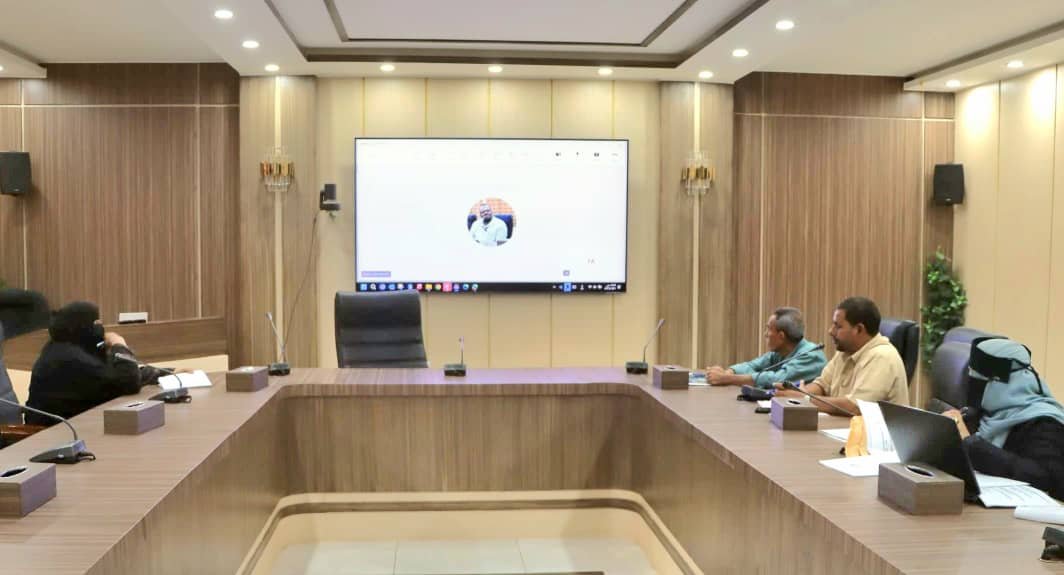
Yemen’s Ministry of Agriculture, Irrigation and Fisheries and the United Nations Food and Agriculture Organization (FAO) are pressing ahead with plans for a breakwater in the Zahaq area of the Socotra Archipelago, a project intended to make fishing safer for the coastal communities that depend on the sea for their survival. The scheme responds to long-standing gaps in local infrastructure and to the wider economic strain caused by more than a decade of conflict in Yemen.
At its core, the project aims to give fishing vessels a more sheltered harbour in waters regularly exposed to rough and unpredictable conditions. In a recent videoconference, technical teams from the ministry and the FAO reviewed the project’s engineering designs and examined the proposed plans in detail, comparing options and aligning on the standards the structure must meet. Both sides described the meeting as an important step in refining a design capable of withstanding open water while serving the community reliably for years to come.
The Zahaq area is known for its fishing activity, yet it has historically lacked the infrastructure that would shield boats and crews from heavy seas. Fishermen there often work in hazardous conditions, launching and landing craft without the protection a breakwater provides. The planned structure is intended both to safeguard vessels and to support a local economy that relies heavily on fishing as a primary source of income and food.
Engineers working on the scheme are weighing alternative design options to determine the most effective approach to construction. Those assessments are meant to ensure the finished breakwater delivers lasting protection under a range of marine conditions, rather than a solution that performs well in calm weather but fails when it is most needed. The emphasis on durability reflects the difficulty of maintaining and repairing infrastructure in a remote archipelago far from major supply centres.
The project’s significance is best understood against the scale of Yemen’s humanitarian emergency. In 2025, an estimated 19.5 million people across the country — more than half the population — required humanitarian assistance and protection, an increase of about 1.3 million on the previous year. Roughly 17.1 million people faced food insecurity, and around 4.8 million remained displaced from their homes, making Yemen one of the largest internal displacement crises in the world.
That need is colliding with shrinking resources. The 2025 humanitarian response plan sought about 2.47 billion US dollars, but was funded at only around 29 per cent, forcing aid agencies to scale back or suspend services across multiple sectors. In such an environment, investment in practical infrastructure that helps families earn their own living carries weight far beyond its modest cost.
For Socotra’s fishing communities, a safer harbour could prove a meaningful lifeline. Reliable shelter would allow crews to work in a wider range of conditions and reduce the dangers of launching into open water, while supporting food security in a region that has faced sustained adversity. By making fishing safer and more productive, the breakwater could help households depend more on their own labour and less on external aid — an outcome that fits squarely within efforts to rebuild local economies during a fragile period.
Socotra’s location gives the project a strategic dimension as well. The archipelago sits near the shipping lanes of the wider Gulf of Aden and Red Sea, waters that are vital to global trade and that have drawn heightened international attention in recent years amid attacks on commercial vessels. Stability along this maritime corridor matters to local communities and international shipping alike, and cooperation between Yemeni authorities and foreign partners on development projects reflects how closely humanitarian, economic and security concerns are bound together across the region.
Socotra itself is an unusual place to be at the centre of such planning. A UNESCO World Heritage site renowned for its endemic plants and wildlife, the archipelago has remained relatively insulated from the worst of the mainland fighting, but its communities still contend with isolation, limited services and exposure to extreme weather. Infrastructure that improves safety and livelihoods therefore addresses vulnerabilities that predate the current conflict and would persist even in calmer times.
As the technical teams move toward finalising the plans, those involved hope the breakwater will encourage further development throughout the archipelago. Continued collaboration between Yemeni officials and organisations such as the FAO could open the door to additional projects in agriculture, transport and other sectors where communities remain vulnerable, gradually building a base of infrastructure that a fragmented state has struggled to provide on its own.
The broader ambition is resilience. Officials and aid workers increasingly frame projects like the Zahaq breakwater not as one-off interventions but as steps toward helping communities withstand shocks — whether from storms, market disruption or the ripple effects of conflict — with less reliance on emergency relief. For a population worn down by years of crisis, even incremental progress of this kind can restore a measure of stability and self-sufficiency.
Much still depends on funding, security and the pace of technical work, and a videoconference reviewing designs is only an early stage in a long process. But for the fishermen of Zahaq, the prospect of a sheltered harbour represents something tangible in a landscape often dominated by hardship: a practical improvement that could make daily work safer, protect a vital source of food and income, and signal that recovery, however slow, remains possible.
About the Author