PM Zindani Leads Crisis Committee Meeting on Energy and Services
 Yemen Herald News
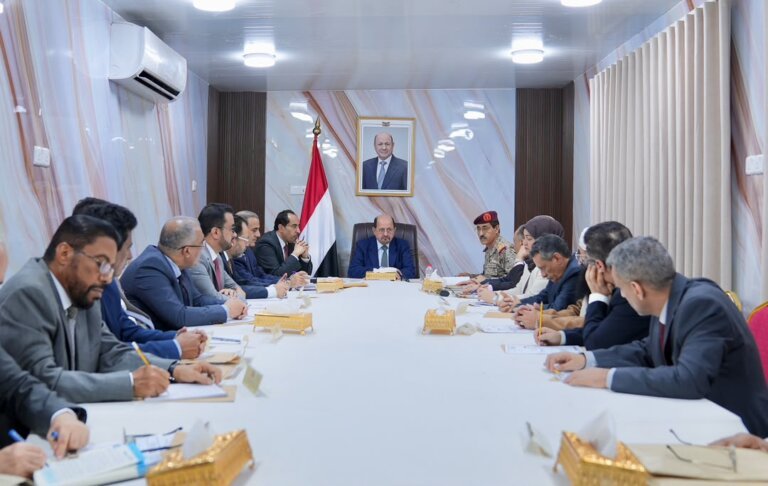
Yemen’s Prime Minister has led a crisis committee meeting on energy and essential services, in a response to the deepening challenges facing the delivery of power and other basics to the population. Dr. Shaya Zindani chaired the session of the Crisis Management Committee, which addressed the country’s energy crisis and the wider strain on the services vital to the survival of citizens and the functioning of the state.
Yemen has been embroiled in conflict since 2014, a war that has produced a catastrophic humanitarian crisis. The fighting has decimated infrastructure, disrupted basic services and plunged the economy into disarray, and the energy sector in particular has suffered, with power shortages becoming a daily reality for millions of Yemenis.
The country relies heavily on imported fuel, and the disruptions caused by the conflict have compounded the difficulties facing the energy sector. The resulting shortages have affected the supply of electricity and the functioning of services that depend on it, deepening the hardship facing the population and straining the capacity of the state.
The meeting of the Crisis Management Committee reflected an effort to respond decisively to these challenges, with the aim of stabilising the essential services on which the population and the state depend. Convening such a committee underscores the seriousness with which the government regards the strain on services and its determination to address it.
The energy crisis lies at the heart of the challenges discussed. Electricity underpins healthcare, water supply, commerce and communications, and the shortages afflicting the sector have far-reaching consequences, affecting the functioning of services and the daily lives of citizens across the country.
The reliance on imported fuel reflects a structural vulnerability of Yemen’s energy sector. Dependence on imports leaves the sector exposed to disruptions in supply and to the costs of procurement, and the difficulties created by the conflict have magnified this vulnerability, contributing to the shortages afflicting the country.
The stabilisation of essential services, the aim of the committee’s work, addresses needs that are vital to the survival of the population. Services such as electricity, water and healthcare are essential to daily life and to the functioning of society, and sustaining them amid the pressures of the conflict is a central concern for the government.
The impact of the crisis on the population is severe. Power shortages and the strain on services affect the ability of Yemenis to meet their basic needs and to access essential services, compounding the hardships they face and underscoring the urgency of efforts to stabilise the delivery of services.
The functioning of the state also depends on the delivery of services and the availability of energy. The strain on these systems affects the capacity of the government to operate and to serve the population, linking the stabilisation of services to the broader functioning of the state and to its efforts to maintain stability.
The convening of a crisis committee reflects an approach to addressing urgent challenges through focused, high-level attention. Bringing together officials to address the strain on services allows for coordinated decision-making and the mobilisation of efforts to respond, reflecting the priority attached to the issue by the government.
The challenges facing the energy sector are deep-seated, encompassing damaged infrastructure, fuel shortages, financial constraints and the fragmentation of the country. Addressing them requires sustained effort and resources, and the stabilisation of the sector is a demanding undertaking, particularly amid the constraints of the conflict.
The broader strain on services reflects the cumulative impact of the conflict on the systems that sustain the population. The disruption of services across multiple sectors has deepened the humanitarian crisis, and efforts to stabilise them are central to relieving hardship and to demonstrating the government’s capacity to serve its citizens.
The role of the government in addressing the crisis reflects its responsibility for the delivery of services and the functioning of the state. Despite the constraints it faces, the government has sought to respond to the strain on services, and the convening of the crisis committee reflects its engagement with the challenge.
Sustaining and stabilising services will require resources, effort and, ultimately, an easing of the conditions driving the crisis. The pressures on the energy sector and on services more broadly are bound up with the conflict and the economic crisis, and addressing them fully depends on progress on these wider fronts.
The approach of periods of peak demand, such as the summer months, adds to the urgency of stabilising the energy sector. Demand for electricity rises during such periods, straining an already overstretched system, and preparing for these pressures is important to mitigating the impact of shortages on the population.
Committees of this kind have become a recurring instrument of crisis governance in Yemen, convened whenever the strain on a particular service threatens to tip into outright breakdown. Their effectiveness, officials acknowledge, ultimately depends on the resources they can marshal, and in a state whose revenues have collapsed those resources are perpetually scarce. Yet the alternative, allowing services to fail without a coordinated response, carries risks not only for public welfare but for the government’s standing, since the ability to keep the lights on and the water running has become, for many citizens, the most tangible test of whether the state still functions at all.
For now, the meeting of the Crisis Management Committee reflected the government’s focus on addressing the energy crisis and the strain on essential services. As Yemen contends with the cumulative impact of the conflict on its infrastructure and services, stabilising the delivery of power and other basics remains a pressing priority for the government and a matter of survival for its people.
About the Author