KSrelief Distributes Food Aid to 66,000 People in Yemen’s Shabwa
 Yemen Herald News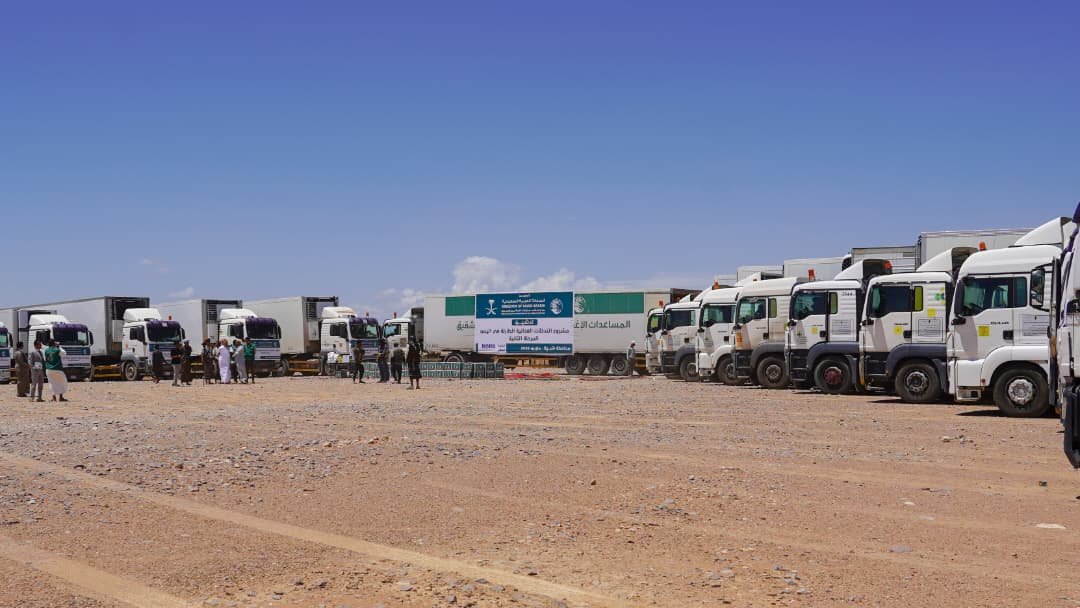
The King Salman Humanitarian Aid and Relief Center has launched the second phase of its emergency food assistance project in Yemen’s Shabwa governorate, delivering vital support to tens of thousands of people struggling with hunger and hardship. The initiative, carried out in cooperation with local authorities and implemented by the Al Khair Coalition for Relief, is aimed at shoring up food security in a region worn down by years of conflict and economic decline.
As part of the effort, a total of 11,160 food baskets are being distributed, benefiting approximately 66,000 people across several districts of the governorate. The recipients include internally displaced people and other vulnerable groups whose ability to meet their basic needs has been eroded by displacement, unemployment and the soaring cost of essential goods.
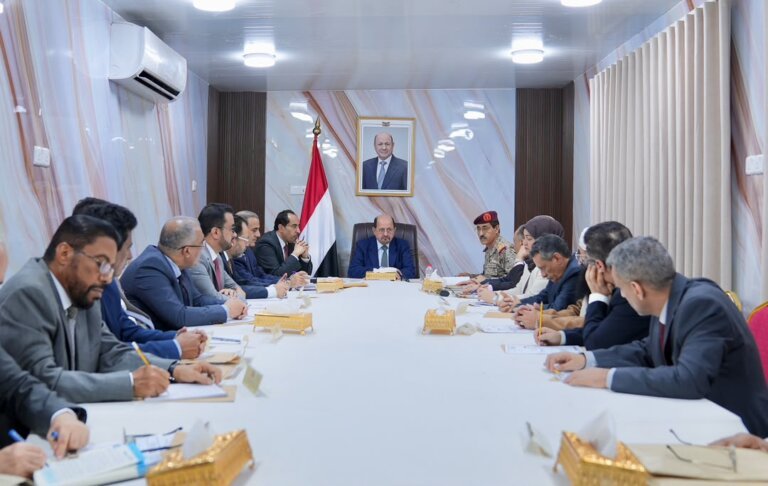
Shabwa’s Deputy Governor, Ahmed Al-Daghari, expressed gratitude for the humanitarian work of the Saudi relief centre, known as KSrelief, emphasising the significance of the project in meeting the urgent needs of displaced families and vulnerable communities. His remarks underscored the extent to which many residents of the governorate continue to rely on outside assistance amid persistent economic difficulties.
Food insecurity remains one of the gravest dimensions of Yemen’s humanitarian emergency. Across the country, aid agencies estimate that more than 18 million people are acutely food insecure, the product of a war that has shattered the economy, disrupted livelihoods and driven up prices while incomes have collapsed. For many families, the arrival of food assistance is the difference between subsistence and destitution.
The provision of food baskets, containing staple items intended to sustain households for a period of time, is a common and vital form of humanitarian relief. By supplying families directly with the means to feed themselves, such distributions help stave off hunger and malnutrition, particularly among children, who are among the most vulnerable to the effects of inadequate nutrition.
Shabwa, an oil-producing governorate in southeastern Yemen, has experienced its share of the conflict’s disruptions, from insecurity to economic strain. While parts of the governorate have seen relative stability compared with the most active front lines, the broader collapse of the economy and the presence of displaced populations have created significant humanitarian needs that local resources alone cannot meet.
KSrelief has been among the most prominent providers of humanitarian assistance in Yemen throughout the conflict. Established by Saudi Arabia, the centre has funded and implemented a wide range of relief and development projects across the country, spanning food security, health, water, sanitation and other sectors, positioning it as a major actor in the international response.
The implementation of the project by the Al Khair Coalition for Relief reflects the common practice of channelling assistance through local and specialised organisations. Such partners bring knowledge of local conditions and the capacity to reach communities on the ground, helping to ensure that aid is distributed effectively and reaches those most in need in a challenging operating environment.
The cooperation with local authorities, highlighted in the announcement, is likewise important to the success of relief efforts. Coordination with governorate officials helps identify beneficiaries, facilitate access and integrate assistance with local structures, enhancing the efficiency and legitimacy of distributions while reinforcing the role of local institutions.
The description of the initiative as a second phase points to the ongoing nature of the need and the response. Emergency food assistance is rarely a one-time undertaking; sustained hunger requires sustained support, and successive phases of distribution reflect an effort to provide continuity of assistance to communities whose needs persist over time.
The targeting of displaced people and vulnerable groups reflects a focus on those least able to cope. Displacement strips families of their homes, livelihoods and support networks, leaving them especially dependent on aid, while other vulnerable groups, including female-headed households and families with young children, face heightened risks that assistance seeks to mitigate.
The economic difficulties referenced by the deputy governor lie at the heart of Yemen’s food crisis. The depreciation of the currency, the disruption of trade and the loss of income have pushed the cost of food beyond the reach of many households, meaning that hunger in Yemen is driven less by an absolute lack of food than by the inability of families to afford it.
Against this backdrop, humanitarian assistance provides a crucial safety net, but aid organisations have long stressed that relief alone cannot resolve the crisis. Restoring the economy, reviving livelihoods and ending the conflict are ultimately necessary to address the underlying causes of hunger, though in the meantime food distributions remain essential to keeping vulnerable families alive.
Funding constraints have added to the challenges facing the humanitarian response in Yemen, with appeals frequently falling short of requirements and some programmes forced to scale back. In this context, contributions such as those made through KSrelief play an important role in sustaining assistance to communities that would otherwise face even greater hardship.
For the families of Shabwa receiving the food baskets, the immediate benefit is tangible: a measure of relief from the daily struggle to secure enough to eat. While the distribution addresses only part of a vast and enduring need, it offers meaningful support to thousands of people and reflects the continued engagement of humanitarian actors in one of the world’s most severe crises.
About the Author