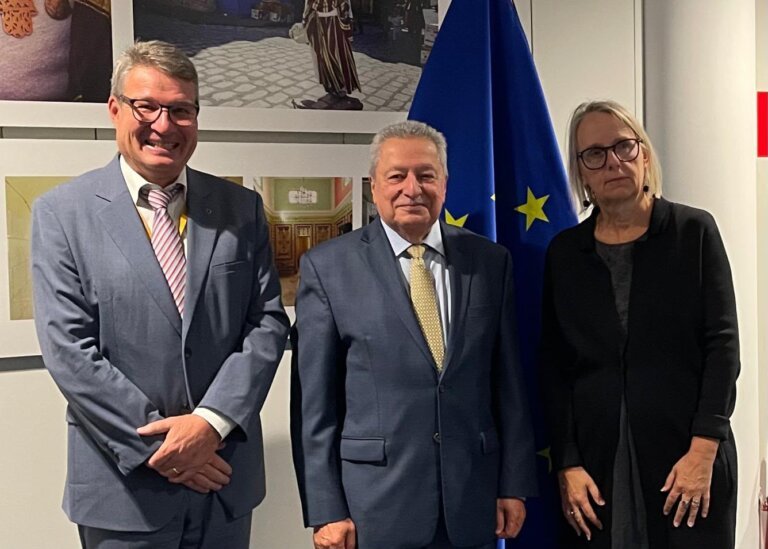
Latest developments discussed by Dr. Abdullah al-Alimi and the British Ambassador.
 Yemen Herald News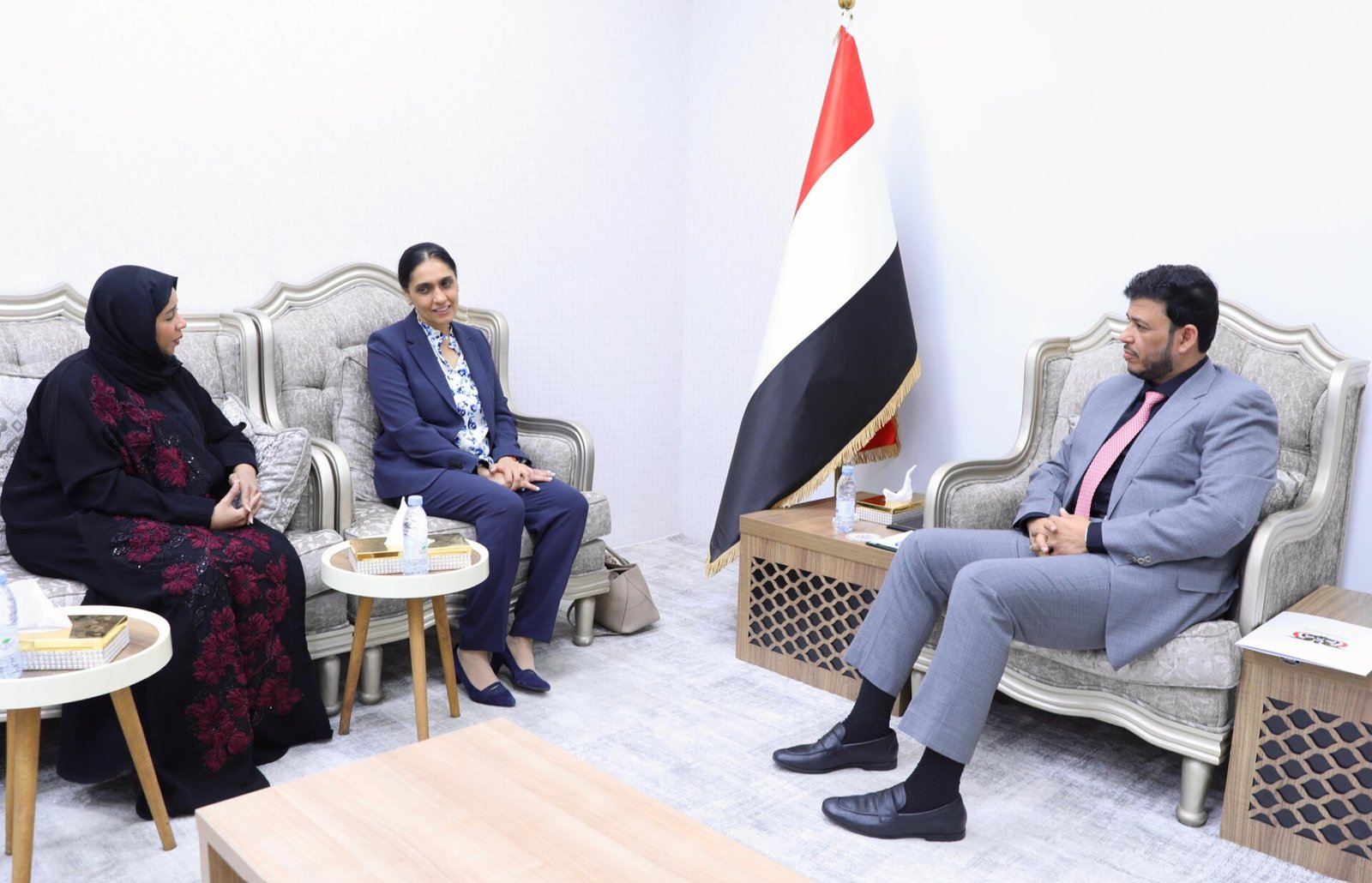
Yemen’s civil strife has led to dire humanitarian conditions, with over 18 million people requiring assistance. More than 4.5 million people have been displaced, exacerbating the already precarious living situations across the nation. The infighting has additionally laid waste to essential infrastructure, disrupting healthcare, food supply chains, and basic utilities. Humanitarian organizations face significant challenges in providing aid, often hampered by insecurity and logistical obstacles.
At the same time, the geostrategic importance of Yemen cannot be overlooked. The Red Sea region, particularly the Bab al-Mandab Strait, serves as a crucial shipping lane for global trade. Its control is contested by numerous state and non-state actors, each with vested interests in the ongoing conflict. This dynamic has transformed Yemen into a front for broader regional power struggles, as conflicts in Syria and Iraq also illustrate the multifaceted nature of proxy wars in the Middle East.
Within this chaotic environment, the Presidential Leadership Council (PLC), established to unify the fragmented political factions, seeks to restore normalcy in the liberated areas. The PLC faces the daunting task of stabilizing the region while managing internal disputes and external pressures. Progress remains inconsistent, and the council’s capacity to control security and provide basic services is continually tested by economic hardships and ongoing tensions with the Houthis.
Recently, Dr. Abdullah al-Alimi, a prominent member of the Presidential Leadership Council, engaged in a significant dialogue with Abda Sharif, the British Ambassador to Yemen. Their meeting centered on the status of Yemeni-British relations and recent developments within the country. Ambassador Sharif extended condolences on the passing of former President Abd Rabbuh Mansour Hadi, highlighting the vital role he played during a critical juncture in Yemen’s history. This acknowledgment reflects a diplomatic effort to reinforce ties between Yemen and the United Kingdom.
The discussions also encompassed vital topics such as the political landscape and security framework within Yemen. Dr. al-Alimi shared insights concerning ongoing initiatives aimed at normalizing life in the liberated governorates. He emphasized the need for state institutions to enhance their functionality, ultimately leading to improved living conditions and reduced human suffering. The intent behind these conversations is to bolster the operational capacity of the Yemeni government as it navigates through the challenges posed by the civil war.
Maritime security emerged as a crucial issue in the dialogue, focusing on the role of the Coast Guard in protecting navigation routes and combating smuggling in these turbulent waters. Strengthening the technical and operational capabilities of the Coast Guard was identified as a pivotal area for cooperation. Dr. al-Alimi specifically praised UK support for Yemen’s maritime security sector, underscoring its significance in maintaining vital shipping lanes and ensuring regional stability.
The economic aspect of recovery was also addressed, highlighting the difficulties faced by various sectors, especially in the context of power generation. The member of the PLC acknowledged the support provided by Saudi Arabia, particularly mentioning a recent agreement for the supply of oil derivatives. This Saudi program is designed to boost electricity generation across numerous governorates, directly impacting the lives of everyday Yemenis and signaling a commitment to rebuilding the war-torn nation.
Central to Yemen’s ongoing conflict are numerous stakeholders, each with its own interests and influences. At the forefront, the internationally recognized Yemeni government, represented by the Presidential Leadership Council, strives to regain full control and establish stable governance in the face of internal strife and external pressures. The PLC’s composition consists of various factions, each bringing unique perspectives and challenges to the political table.
In addition to the Yemeni government, the Houthi movement represents a significant opposing force. Backed by Iran, the Houthis have gained control over large sections of the country, complicating efforts for a cohesive peace process. Their control over key territories allows them to negotiate from a position of strength, which has stymied peace talks and undermined regional stability. The insurgency’s military capabilities and political agility create significant hurdles for any attempts at reconciliation.
Saudi Arabia remains another pivotal player in this context. As part of the coalition supporting the Yemeni government, Saudi Arabia seeks to curb Iranian influence in the region while stabilizing its southern neighbor. The kingdom’s involvement has not only included military support but also financial and developmental aid, such as the recent oil derivatives agreement. This support aims to address essential service needs and foster stability in liberated areas, reflecting an investment in Yemen’s recovery and long-term stability.
The United Kingdom, through its diplomatic presence and initiatives, has expressed a clear commitment to supporting Yemen’s fledgling government. By engaging with Yemeni leaders, the UK is attempting to foster cooperative relationships that can facilitate political, economic, and security advancements in the country. As a longstanding ally of Saudi Arabia, the UK’s involvement also indicates a broader interest in maintaining stability in the Gulf region.
The conflict in Yemen has far-reaching implications for the surrounding region and the international community. The instability experienced in Yemen has caused significant security concerns for neighboring countries, particularly those in the Gulf Cooperation Council (GCC). The continuous clashes and humanitarian crisis risk spilling over borders, potentially influencing security dynamics in Saudi Arabia and other Gulf states. The growing humanitarian needs pose challenges to regional stability and may necessitate a more extensive response from neighboring countries to prevent further deterioration.
Furthermore, Yemen’s strategic location along key shipping routes heightens its importance to global trade and maritime security. The Bab al-Mandab Strait is one of the world’s most crucial chokepoints for oil transit and international shipping. Any disruption in this area due to conflict can lead to increased shipping costs and challenges for global supply chains, affecting economies far beyond the Middle East. Efforts to secure maritime routes and combat piracy are paramount not only for Yemen but for regional and global trade stability.
The ongoing civil war in Yemen also serves as a microcosm of larger geopolitical tensions in the Middle East. The rivalry between Saudi Arabia and Iran plays out prominently in Yemen, with both powers vying for influence. The Iranian support for the Houthis underscores Tehran’s strategy of using proxy forces to expand its reach in the region. In contrast, Saudi Arabia’s military interventions aim to curtail Iranian expansionism and reinforce a stable, pro-Saudi government in Yemen.
As diplomatic efforts continue, the role of external powers will be critical in shaping the future of Yemen. Nations with vested interests in regional stability must navigate complex relationships while addressing the immediate humanitarian needs of the Yemeni population. Failure to stabilize Yemen could have enduring repercussions, extending beyond the immediate conflict and influencing strategies and relations across the Middle East.
Analyzing the current situation in Yemen reveals a multifaceted crisis that requires urgent attention and a coordinated response. While the Presidential Leadership Council takes strides toward improving governance and security, the ongoing conflict perpetuates instability and humanitarian suffering. The council’s efforts to provide essential services and reduce human suffering are commendable; however, the deep-rooted issues stemming from years of conflict cannot be resolved overnight.
The dynamic between the Yemeni government and the Houthis continues to impede progress toward peace. The Houthis’ entrenched positions and military capabilities have allowed them to maintain influence, leading to a stalemate that is challenging for conventional diplomatic efforts. The lack of a cohesive strategy for addressing the interests of various factions complicates the prospects for a peaceful resolution.
Support from international partners such as the UK and Saudi Arabia is crucial, but external assistance alone cannot guarantee stability. The necessity for an inclusive political dialogue that takes into account the aspirations of all Yemeni factions, including those marginalized by the current power structures, is critical for lasting peace. Furthermore, humanitarian efforts must be amplified to address immediate needs, fostering a climate where recovery and development can take place.
Additionally, maritime security remains a pressing concern that complicates the overall situation. The Coast Guard’s ability to protect vital shipping lanes and combat smuggling operations is vital for economic recovery. Continued support from international partners will aid in enhancing the operational capabilities of the maritime security sector, which is essential for safeguarding Yemen’s access to global trade
The future of Yemen will hinge on the concerted efforts of its leaders and the international community in addressing both immediate and long-term challenges. The recent meeting between Dr. al-Alimi and Ambassador Sharif underscores the importance of sustained diplomacy and cooperation. Continued dialogue among domestic factions and external allies will be crucial in paving the way for a viable peace process.
Given the complexities of the conflict, any resolution is likely to take time. The necessity for an inclusive political framework —one that integrates diverse stakeholders, including those currently outside the formal power structure—will be vital to crafting a holistic approach to rebuilding Yemen. This may require additional negotiations and the involvement of regional actors who can help facilitate dialogue.
On the humanitarian front, there needs to be a renewed focus on addressing immediate needs, including food security, healthcare, and support for displaced populations. International aid and support should be mobilized to ensure that relief efforts reach those most affected by the crisis, creating a foundation for recovery.
Finally, the geopolitical landscape will continue to influence Yemen’s trajectory. Ongoing tensions between Saudi Arabia and Iran will likely color the responses of regional powers and continue to shape the conflict’s dynamics. The risk of escalation remains if a diplomatic resolution is not prioritized. Therefore, maintaining open lines of communication and negotiating frameworks among international stakeholders is essential to achieve lasting peace and stability in Yemen.
About the Author