Marib Deputy Governor and IOM Discuss Expanding Humanitarian Aid Amid Rising Needs
 Yemen Herald News
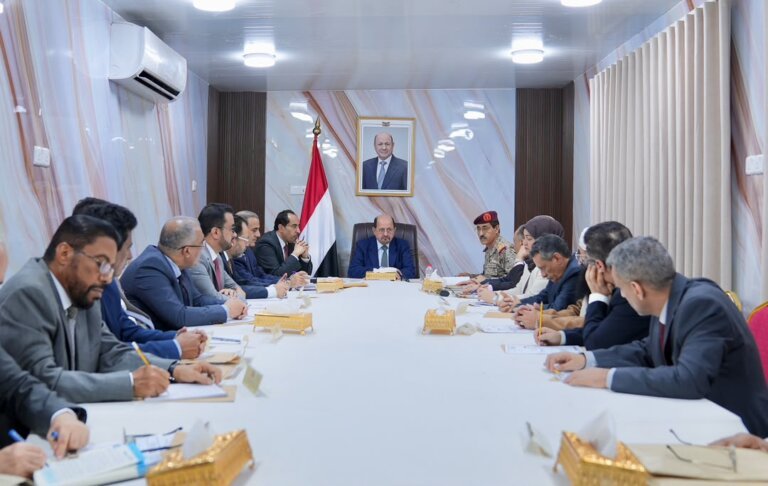
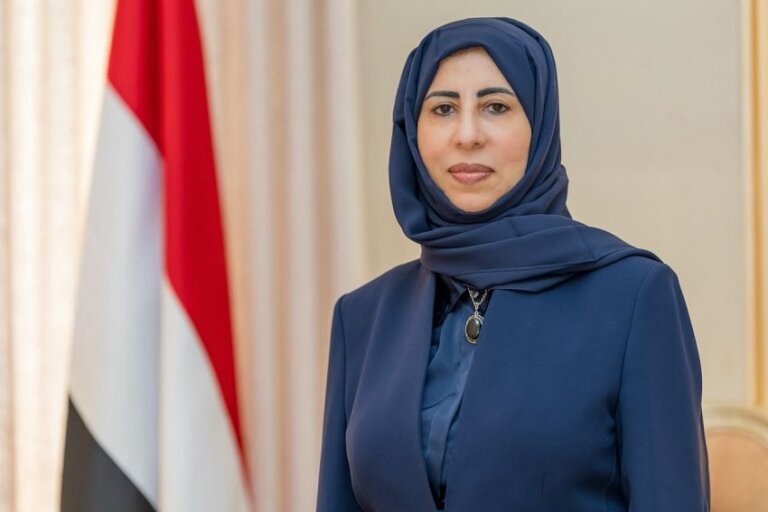
In the Yemeni province of Marib, local officials are working to strengthen humanitarian operations at a moment when the needs of the population are rising sharply, and the funding available to meet them is shrinking. Deputy Governor Dr. Abdrabuh Miftah held a meeting with Katia Jurik, the Country Programme Coordinator for the International Organization for Migration in Yemen, who was visiting the province to assess conditions and explore ways of improving the response to a crisis affecting both internally displaced people and the communities that host them.
The talks reviewed the IOM’s ongoing and planned activities across Marib, alongside the organization’s advocacy efforts aimed at mobilizing greater support from donors in Europe and Asia. With international attention often drawn elsewhere, officials underscored the importance of keeping Marib’s situation visible to those with the means to help. The conversation reflected a shared concern that, without renewed commitment from external partners, the gap between the scale of need and the resources on hand would continue to widen.
Dr. Miftah expressed appreciation for the IOM’s long-standing partnership with the local authority, praising its role in coordinating humanitarian action across the province. He highlighted the organization’s work in monitoring displacement trends into Marib and in cooperating with other agencies to deliver emergency assistance. That recognition pointed to the degree to which local governance in the province has come to depend on sustained collaboration with international bodies to manage a crisis that has stretched its capacities well beyond their limits.
For her part, Jurik reaffirmed that Marib remains one of the IOM’s highest operational priorities. The province hosts a very large number of internally displaced people, and it also receives irregular migrants arriving from the Horn of Africa. Many of those migrants travel the Eastern Route, one of the busiest and most dangerous migration corridors in the world, in the hope of reaching neighboring Gulf countries in search of work. Their presence adds another layer of complexity to an already overstretched humanitarian environment.
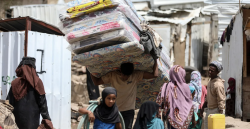
The pressures on Marib are reflected in its extraordinary growth. Once a relatively modest provincial center, the area saw its population swell from roughly 350,000 before the war to well over two million in recent years, driven overwhelmingly by waves of displacement from other parts of the country. That surge has placed immense strain on housing, water, services and employment, and it has at times heightened tensions between displaced families and the host communities absorbing them, even as both groups face deepening hardship.
These local challenges sit within a national emergency that ranks among the worst in the world. Across Yemen, aid agencies estimate that roughly 19.5 million people require humanitarian assistance, including around 4.8 million who have been internally displaced, making the country one of the largest displacement crises globally. Compounding the difficulty, substantial reductions in funding have forced the United Nations and its partners to scale back some critical, life-saving programs, leaving aid organizations to make painful choices about where limited resources should go.
To counter the decline in support, Jurik emphasized a strategy of engaging potential donors directly by inviting them to visit Marib in person. Such visits, she suggested, would allow stakeholders to witness the humanitarian conditions firsthand and to grasp the true scale of the crisis in a way that reports and statistics alone cannot convey. Bringing international partners face to face with the realities on the ground is seen as an effective means of building the case for additional and more sustained assistance.
Looking beyond immediate relief, the discussions also touched on the need for longer-term solutions. There was broad agreement that genuinely improving the lives of those affected by the conflict requires more than meeting basic survival needs. Investments in livelihoods, services and the underlying causes of vulnerability are regarded as essential if the province is to move toward a more stable footing. The IOM reaffirmed its commitment to development-oriented initiatives intended to complement emergency aid rather than replace it.
How effectively Marib navigates this heightened humanitarian landscape will depend heavily on the interplay between local governance and international support. The province’s distinctive position as a hub for both displaced Yemenis and migrants makes the strength of these partnerships especially consequential. With needs mounting and funding under pressure, officials and aid workers alike face the difficult task of sustaining assistance while laying groundwork for recovery, ensuring that a region already bearing an outsized share of the crisis is not left without the help it requires.
The migration dimension of Marib’s crisis often receives less attention than internal displacement, yet it carries its own grave human cost. Each year, thousands of migrants from countries such as Ethiopia and Somalia attempt the crossing toward Yemen, frequently falling prey to smugglers, abuse and life-threatening conditions along the way. For those who reach Marib, limited reception capacity leaves many without protection or basic services, deepening the burden on a provincial authority already managing a vast displaced population.
Aid organizations have warned that the combination of growing demand and falling resources risks reversing hard-won gains. The IOM and its partners have appealed for tens of millions of dollars to assist migrants and host communities across the wider region, underscoring how stretched the available funding has become. In Marib, the stakes of that shortfall are immediate and tangible, measured in the daily struggle of families to secure food, shelter and water, and in the capacity of local institutions to keep pace with relentless need.
About the Author