Local Administration Minister and French Ambassador Discuss Transfer of Powers
 Yemen Herald News
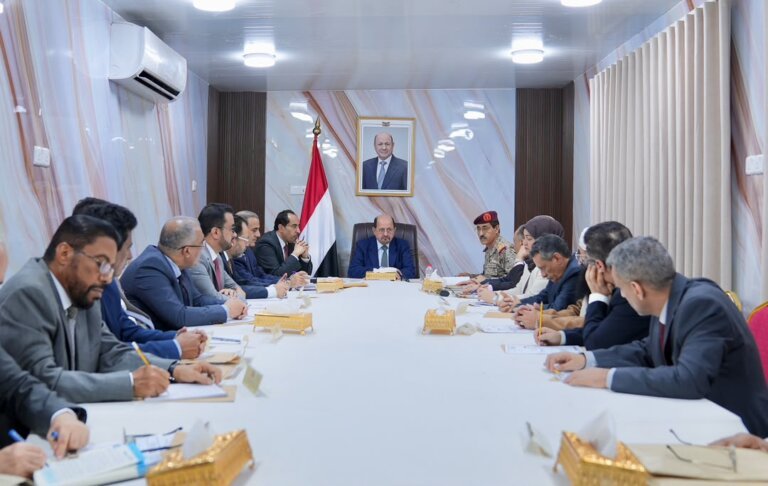
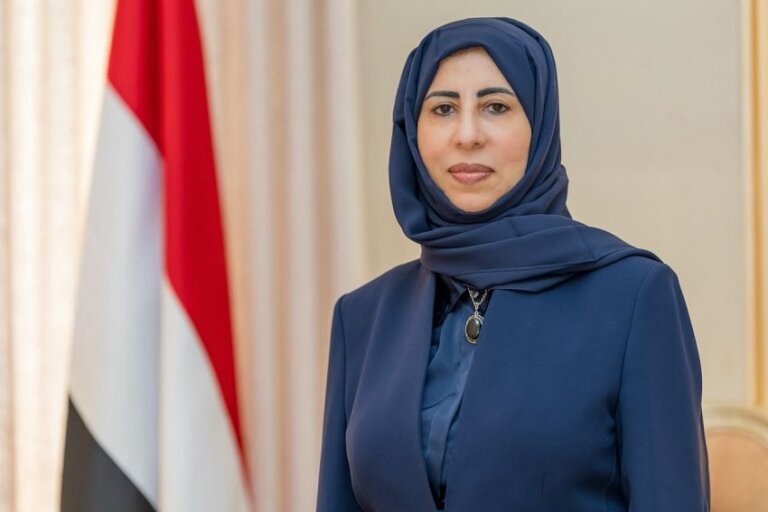
Yemen’s Local Administration Minister has discussed decentralisation and the gradual transfer of powers to governorates with France. In a video conference on Sunday, Engineer Badr Basalama and the French Ambassador to Yemen, Catherine Corm-Kammoun, explored ways to enhance cooperation on local governance, in a meeting that also included Deputy Minister Moeen Mahmoud and several of the ministry’s undersecretaries.
The officials focused on the initiatives of the government and the Presidential Leadership Council aimed at bolstering administrative and financial decentralisation. The stated goal is to empower local authorities to exercise their powers effectively through a structured and gradual approach, rather than an abrupt transfer that risks overwhelming institutions unprepared for new responsibilities.
Minister Basalama outlined the ministry’s strategic plans for the coming years, which include a comprehensive programme designed to strengthen decentralisation and to prepare governorates for the transfer of powers. He emphasised that these efforts form part of a broader reform vision intended to improve governance and the delivery of services across the country.
The emphasis on a gradual and structured approach reflects an understanding of the complexities involved in decentralisation. Transferring authority and resources to local levels is a demanding process that requires careful preparation, and a phased approach allows institutions to build the capacity needed to assume new responsibilities without compromising the continuity of governance.
Administrative and financial decentralisation, the twin focuses of the discussion, address different but related dimensions of the reform. Administrative decentralisation concerns the devolution of authority and decision-making, while financial decentralisation involves granting local authorities greater control over revenues and spending. Both are essential to genuine empowerment of the local level.
The involvement of the Presidential Leadership Council in these initiatives underscores the priority attached to decentralisation at the highest levels of government. Support from the country’s leadership lends weight to the reform effort and reflects a recognition of its importance to the broader agenda of improving governance and strengthening the state.
Preparing governorates for the transfer of powers is a central element of the ministry’s programme. Ensuring that local authorities have the capacity, systems and personnel needed to exercise expanded powers effectively is essential to the success of decentralisation, and this preparation forms a critical stage in the reform process.
Decentralisation has long been a prominent theme in debates about Yemen’s governance. Its advocates argue that bringing decision-making closer to citizens improves responsiveness and accountability, and in a country of considerable regional diversity, the case for empowering local authorities has featured in successive discussions about how the state should be structured.
The conflict has lent the issue renewed significance. With central authority weakened and the country fragmented, local authorities have often shouldered responsibilities that would ordinarily belong to national institutions. Formalising and supporting an expanded local role through structured decentralisation could help address the realities created by the war.
France’s engagement on this agenda reflects the involvement of international partners in supporting Yemen’s governance reforms. European partners have shown particular interest in strengthening local institutions and decentralisation, viewing capable and accountable local governance as important to the country’s stability and recovery, and their support can provide valuable resources and expertise.
The participation of the deputy minister and undersecretaries in the meeting reflects the institutional depth of the ministry’s engagement with the issue. Involving senior officials across the ministry helps ensure that the reform effort is broadly owned and that the expertise and responsibilities of different parts of the ministry are brought to bear on it.
The framing of decentralisation within a broader reform vision situates it among the government’s wider efforts to improve governance and the functioning of the state. Decentralisation is not an end in itself but a means of enhancing the effectiveness, responsiveness and accountability of government, objectives that lie at the heart of the reform agenda.
Improving the delivery of services, a goal of the reform, addresses one of the most tangible concerns of citizens. Empowering local authorities to manage and deliver services more effectively could improve the availability and quality of essentials such as water, health and education, contributing to better lives and to greater confidence in government.
Realising the goals of decentralisation will require sustained commitment, resources and coordination over an extended period. Reform of this kind is a long-term undertaking, and its success depends on the ability to move methodically through the stages of preparation and transfer while maintaining the capacity and continuity of governance throughout.
The recurrence of decentralisation on the agenda of Yemen’s meetings with European partners reflects a shared conviction that the shape of the post-war state will be determined in large part by how power is distributed between the centre and the regions. For a country whose grievances over marginalisation and the concentration of authority contributed to its upheavals, the question is not merely technical but deeply political. Officials and donors alike appear to recognise that getting the balance right, empowering governorates while preserving national coherence, is among the more consequential challenges facing efforts to build a durable and inclusive system of governance once the conflict eventually subsides.
For now, the meeting between Basalama and Corm-Kammoun reaffirmed the shared interest of Yemen and France in advancing decentralisation and strengthening local governance. As the government pursues its reform agenda, cooperation of this kind, together with a structured and gradual approach to the transfer of powers, remains central to its efforts to build more effective and accountable institutions.
About the Author