Yemen’s Finance Minister and Central Bank Meet Arab Monetary Fund
 Yemen Herald News
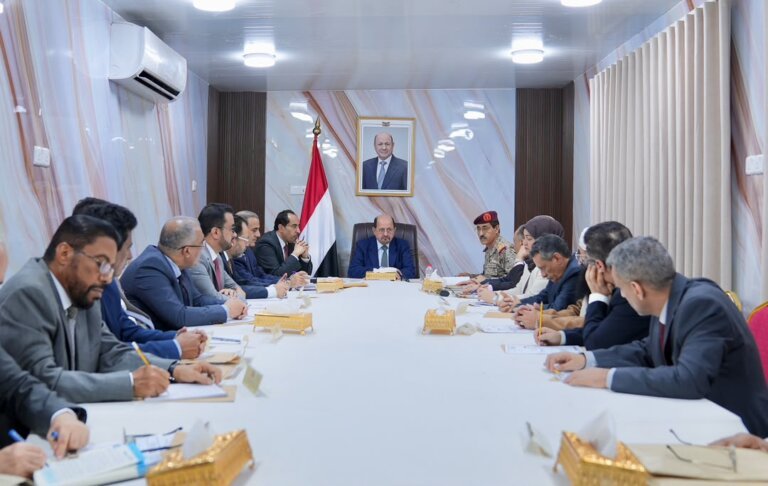
Yemen’s Finance Minister and central bank governor have met the Arab Monetary Fund, in talks that reflected the country’s efforts to navigate a severe economic crisis and to sustain engagement with regional financial institutions. The discussions underscored the pressures facing Yemen’s economy and the importance of cooperation with bodies such as the Arab Monetary Fund amid the difficulties of the conflict.
Yemen has been embroiled in conflict since 2015, a war that has produced one of the world’s worst humanitarian crises. The economy has been shattered, with inflation rising sharply, public services deteriorating and the national currency losing significant value, and the country faces substantial pressures, including obligations to international financial bodies.
The engagement with the Arab Monetary Fund reflects the importance of regional financial institutions to Yemen’s economic situation. The Fund, which works to support monetary cooperation and stability among Arab states, is among the institutions with which Yemen has relationships, and cooperation with it forms part of the country’s efforts to address its economic challenges.
The economic challenges facing Yemen are formidable, encompassing inflation, the devaluation of the currency and the collapse of public services. Addressing these challenges requires measures to stabilise the economy and to strengthen the management of public finances, and engagement with financial institutions can support efforts to advance stability and reform.
The depreciation of the Yemeni rial has been among the most damaging economic consequences of the conflict. The loss of value has driven up prices and eroded the purchasing power of households, deepening poverty and hardship, and stabilising the currency is central to relieving the pressures facing the population.
The Central Bank of Yemen, represented by its governor in the discussions, plays a central role in efforts to maintain monetary stability. The bank’s efforts to manage the currency and the financial system are complicated by the conditions created by the conflict, and cooperation with regional and international institutions can support its work.
The engagement of both the Finance Minister and the central bank governor reflects the involvement of the key institutions responsible for economic and monetary management. Their joint engagement with the Arab Monetary Fund reflects a coordinated approach to addressing the country’s economic challenges and to sustaining cooperation with financial institutions.
The Arab Monetary Fund’s role in supporting monetary cooperation and stability among Arab states lends significance to its engagement with Yemen. The Fund can provide support and cooperation of relevance to the country’s economic challenges, and its involvement forms part of the broader web of regional and international engagement on which Yemen relies.
The obligations facing Yemen, including to international financial bodies, add to the pressures on its finances. The management of debt and of relationships with creditors and financial institutions is among the challenges facing the government, and engagement with bodies such as the Arab Monetary Fund is relevant to these considerations.
The collapse of public services, a consequence of the conflict and the economic crisis, reflects the impact of the country’s difficulties on the population. The erosion of services has deepened hardship and increased reliance on assistance, and addressing the economic pressures underlying this collapse is central to efforts to relieve the situation.
The maintenance of engagement with regional financial institutions reflects the importance of such relationships to Yemen’s economic prospects. Sustaining cooperation with bodies such as the Arab Monetary Fund is important to the country’s efforts to address its challenges and to its standing with the broader financial community.
The economic reform that engagement with financial institutions often supports is central to Yemen’s efforts. Improving the management of public finances, strengthening institutions and advancing stability are essential to the country’s recovery, and cooperation with bodies such as the Arab Monetary Fund can contribute to these efforts.
The reliance of Yemen on external support underscores the importance of its relationships with financial institutions. With its own resources severely constrained, the country depends on cooperation and support, and engagement with regional institutions such as the Arab Monetary Fund forms part of the broader effort to secure the assistance its situation requires.
The prospects for the engagement to yield tangible benefits will depend on subsequent steps and on the evolving situation. Cooperation with financial institutions is a process, and its impact will be shaped by the measures that follow and by the broader conditions facing the economy, including the trajectory of the conflict.
The challenges facing Yemen’s economy are unlikely to ease quickly, given the persistence of the conflict and the depth of the crisis. Addressing them will require sustained effort, reform and support, and engagement with institutions such as the Arab Monetary Fund represents one element of the broader effort toward stability.
Regional institutions such as the Arab Monetary Fund occupy a distinctive place in Yemen’s constellation of financial relationships, offering a channel of support rooted in Arab solidarity that can, at times, prove more accessible than that of the larger global bodies. Their assistance has historically taken the form of both financing and technical advice aimed at steadying currencies and reforming monetary management, functions of obvious relevance to a country whose rial has lost so much of its value. For Yemeni officials, keeping such relationships in good repair is a matter of quiet but persistent effort, part of the wider work of ensuring that, when the moment for a broader stabilisation arrives, the country is not starting from a position of isolation.
For now, the meeting between Yemen’s Finance Minister, its central bank governor and the Arab Monetary Fund reflected the country’s efforts to navigate its economic crisis and to sustain cooperation with financial institutions. As Yemen contends with inflation, currency devaluation and the collapse of services, such engagement remains an important element of its efforts toward economic stability.
About the Author