Yemen’s Prime Minister al-Zindani Says Houthis Are Derailing Peace Efforts
 Yemen Herald News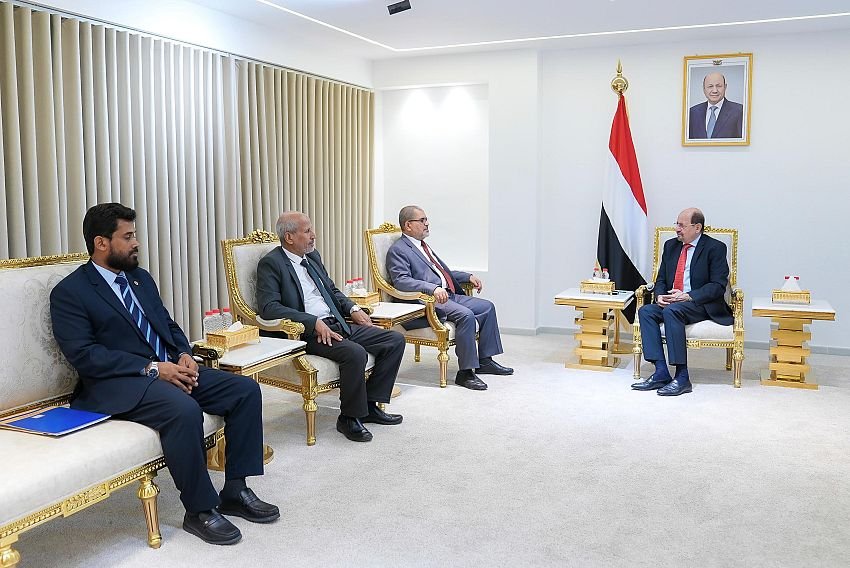
Yemen’s Prime Minister and Foreign Minister, Dr. Shaya al-Zindani, has placed responsibility for the failure of peace efforts squarely on the Houthi movement, accusing the group of undermining mediation and pushing the country toward further conflict. His comments came as Yemen remains mired in a civil war that has lasted since 2015 and continues to generate one of the world’s most severe humanitarian emergencies.
Al-Zindani said the government had exhausted the available opportunities for peace and had shown flexibility in negotiations, only to encounter repeated non-compliance from the Houthis. He argued that the group had consistently disregarded commitments that could have opened the way to a settlement, thereby perpetuating a cycle of violence that has devastated the country and displaced millions of its people.
His remarks followed a series of stalled diplomatic initiatives led by Saudi Arabia, Oman and the United Nations. These efforts had at times raised hopes of a breakthrough, particularly during periods of relative calm, but the prime minister contended that the Houthis’ unwillingness to honour agreements had repeatedly frustrated attempts to move from temporary truces toward a comprehensive political process.
The United Nations has continued to press for a renewed political track. Its special envoy, Hans Grundberg, has held talks with al-Zindani and members of the Presidential Leadership Council, urging the parties to return to negotiations. The envoy has warned that heightened violence threatens the fragile gains achieved in recent years and has called for an inclusive process capable of addressing the war’s underlying causes.
Al-Zindani took office as part of a government reshuffle that installed him as prime minister earlier in the year, while he retained the foreign affairs portfolio he had held since 2024. The new cabinet, formed under the Saudi-backed Presidential Leadership Council, was tasked with improving governance, addressing the economic crisis and presenting a more unified front in dealings with both the Houthis and international partners.
The government has also signalled its intention to consolidate its operations inside Yemen, with al-Zindani indicating that the cabinet would move to Aden as part of an effort to strengthen its presence on the ground. Officials have presented the relocation as a sign of confidence and a step toward more effective administration, though security concerns in the interim capital have complicated previous attempts to base the government there.
The humanitarian backdrop to these political manoeuvres remains stark. The United Nations estimates that more than 18 million Yemenis need assistance and that over four million have been displaced, while recurring outbreaks of cholera and measles compound the suffering. Aid agencies have repeatedly warned that funding shortfalls and access restrictions are hampering their ability to reach those in greatest need.
The conflict’s complexity has long complicated efforts to end it. The Houthis, who receive backing from Iran, control much of northern Yemen, including the capital, Sanaa, and key ports, while the internationally recognised government operates from the interim capital, Aden, supported by a Saudi-led coalition. The competing objectives and loyalties of the various factions have made durable agreements difficult to reach.
Regional dynamics add a further layer. The strategic importance of the Red Sea and the Bab al-Mandab Strait, through which a large share of global trade passes, has drawn the attention of powers far beyond Yemen’s borders. Saudi Arabia and its allies view the restoration of the recognised government as essential to countering Iranian influence, while Tehran’s support for the Houthis has made the war a theatre of wider rivalry.
Attacks on shipping in the Red Sea, which the Houthis launched in late 2023, have internationalised the conflict still further, prompting military responses and disrupting one of the world’s busiest maritime corridors. These developments have raised the stakes of the war and complicated diplomacy, even as they have underscored why the international community retains a strong interest in Yemen’s stability.
Al-Zindani’s framing places the onus for progress on the Houthis, arguing that meaningful change depends on their willingness to engage seriously with diplomacy. The government, he suggested, has adopted a measured approach aimed at keeping the door to negotiation open while resisting what it regards as the group’s efforts to extract concessions without offering reciprocal commitments.
Critics of all sides caution that assigning blame, while politically significant, does little on its own to advance a settlement. Analysts have noted that the war’s resolution will ultimately require compromises on difficult issues, including the payment of salaries, control over revenue, security arrangements and the shape of a future political order. Progress on these questions has proved elusive despite years of intermittent talks.
For its part, the government has sought to demonstrate that it is a credible and constructive partner, both to Yemenis and to the international backers on whom it depends. By publicly emphasising its flexibility and attributing the impasse to the Houthis, al-Zindani’s administration aims to shape international perceptions and to sustain pressure on the movement to come to the table.
As the war grinds on, the prospects for a breakthrough remain uncertain. The government’s stance, as articulated by al-Zindani, reflects both frustration at the failure of successive initiatives and a continued insistence that dialogue offers the only viable path forward. Whether that path can be reopened will depend on decisions taken by the Houthis, their regional patrons and the mediators still seeking to bring the sides together.
About the Author