Yemen Urges ICAO to Enforce International Aviation Law After Unauthorized Iranian Landing in Sanaa
 Yemen Herald News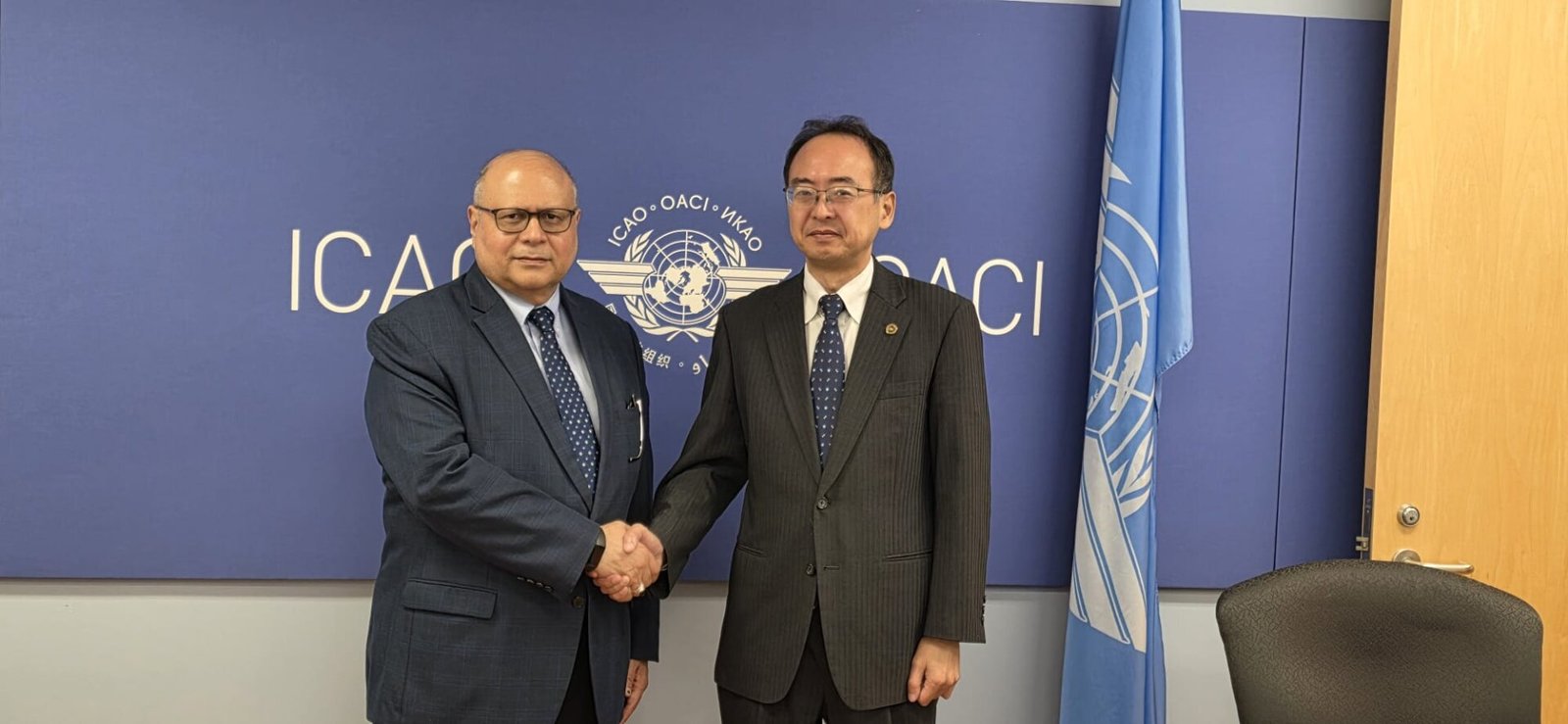
Yemen has formally asked the International Civil Aviation Organization to enforce international aviation law and defend the sovereignty of its member states, after an Iranian aircraft entered Yemeni airspace and landed in Sanaa without the permission of the internationally recognized government. Prime Minister and Foreign Minister Shaya Zindani set out the government’s position in letters addressed to ICAO Secretary-General Juan Carlos Salazar and to the President of the ICAO Council, Toshiyuki Ono.
Yemen’s Ambassador to Canada, Jamal Al-Sallal, delivered the letters during a meeting at ICAO headquarters in Montreal with Council President Ono. Secretary-General Salazar and the organization’s Director of Air Transport, Mohammed Khalifa, joined the discussion by video conference, underlining the seriousness with which the UN aviation body received the complaint.
The dispute stems from a flight in early July, when an Iranian civilian aircraft flew directly to Sanaa International Airport, which has been under the control of the Houthi movement since the group seized the capital in 2014. Houthi officials said the plane carried more than 200 Yemenis, including patients and people stranded abroad. The government in Aden, however, says the flight was never authorized by the state’s civil aviation authorities, and it has characterized the aircraft’s entry and landing as a direct violation of national sovereignty, a breach of international law and an infringement of the Chicago Convention that governs international civil aviation.
The Chicago Convention, concluded in 1944, is the founding treaty of the international aviation system and the legal basis of ICAO itself. Its first article affirms that every state has complete and exclusive sovereignty over the airspace above its territory, and the treaty requires foreign aircraft to obtain appropriate authorization for flights into a state’s territory. Yemen’s argument to ICAO rests squarely on those provisions, and its letters ask the organization to treat the landing not as an isolated incident but as a test of whether the rules apply in conflict zones.
In its letters, the government urged the organization to fulfill its mandate to uphold the rights of member states, and it reiterated that Yemen reserves the right to take lawful measures, consistent with international law and the United Nations Charter, to protect its airspace. The government has separately instructed its civil aviation authority to require prior permission for all flights entering national airspace, a step intended to reassert state control over aviation across the country.
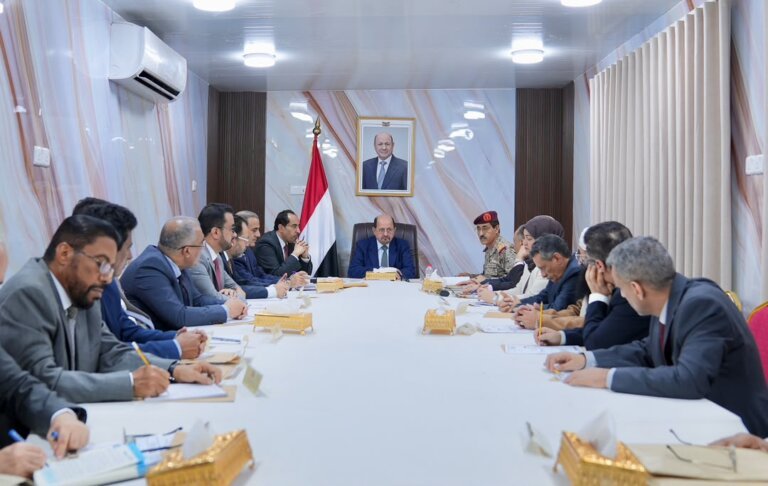
The complaint to ICAO is one strand of a wider diplomatic campaign. Yemen’s Presidential Leadership Council has demanded an international inquiry into the flight, and the government has briefed ambassadors and foreign ministries in numerous capitals. Several member states, including the United Kingdom and Greece, have told the UN Security Council that unauthorized Iranian flights to Sanaa breach Yemen’s sovereignty, while other governments in the region and beyond have issued statements backing the internationally recognized authorities.
The episode is inseparable from the larger conflict that has gripped Yemen since 2015, when a Saudi-led coalition intervened against the Houthis in support of the government. Yemen’s leaders accuse Iran of arming and directing the Houthi movement, an allegation Tehran denies, and they argue that direct flights between Iran and Sanaa risk becoming a channel for weapons and personnel outside any international oversight. The Houthis, for their part, presented the flight as a humanitarian service for stranded citizens.
The days that followed the landing brought a sharp escalation. According to regional media reports, strikes hit Sanaa International Airport in mid-July, after which the Houthis declared an end to a period of de-escalation and launched missiles toward Saudi Arabia. The sequence has deepened fears that disputes over airspace and aviation could feed a broader confrontation involving shipping lanes in the Red Sea and the Bab al-Mandab Strait, one of the world’s most important maritime chokepoints.
Aviation also carries heavy humanitarian weight in Yemen, where the United Nations estimates that more than 18 million people need assistance. Sanaa’s airport has operated only limited services during the war, largely restricted to United Nations flights and, in recent years, a narrow corridor of commercial services agreed among the warring parties and regional states. A Jordanian initiative to resume commercial flights between Amman and Sanaa has been welcomed by the UN special envoy, and the government has signaled openness to arrangements that respect state authority. Officials argue that orderly, authorized aviation would serve patients, travelers and aid operations far better than unilateral flights that inflame the conflict.
Yemen’s appeal also tests what ICAO can realistically do. The organization sets global standards and audits compliance, but it has few coercive tools and depends largely on the cooperation of its 193 member states. Its council can consider disputes and issue findings, yet enforcement in an active conflict zone, where an airport is controlled by a non-state armed group, presents challenges the drafters of the Chicago Convention scarcely envisaged.
For now, the government says it will continue pressing its case through legal and diplomatic channels while coordinating with regional partners on how to police the country’s skies. How ICAO and the wider international community respond is likely to shape not only the future management of Yemen’s airspace but also the behavior of states tempted to treat contested skies as open ones.
About the Author