The Escalating Crisis in the Middle East: Iran’s War and Its Ripple Effects on Lebanon and Beyond
The ongoing conflict in the Middle East, particularly the war involving Iran, has reached a critical juncture. As the violence escalates, the implications for Lebanon, regional stability, and global geopolitics are profound and far-reaching.
The geopolitical landscape of the Middle East has been shaped by decades of conflict, sectarian strife, and foreign interventions. The current war, now entering its 43rd day, is not merely a localized skirmish but a manifestation of deeper tensions involving Iran, the United States, Israel, and various non-state actors. Iran’s influence in Lebanon, primarily through Hezbollah, has long been a point of contention for Israel and its allies. The recent escalation of hostilities has seen Israel conducting extensive military operations in Lebanon, resulting in significant civilian casualties and a humanitarian crisis that threatens to destabilize the region further.
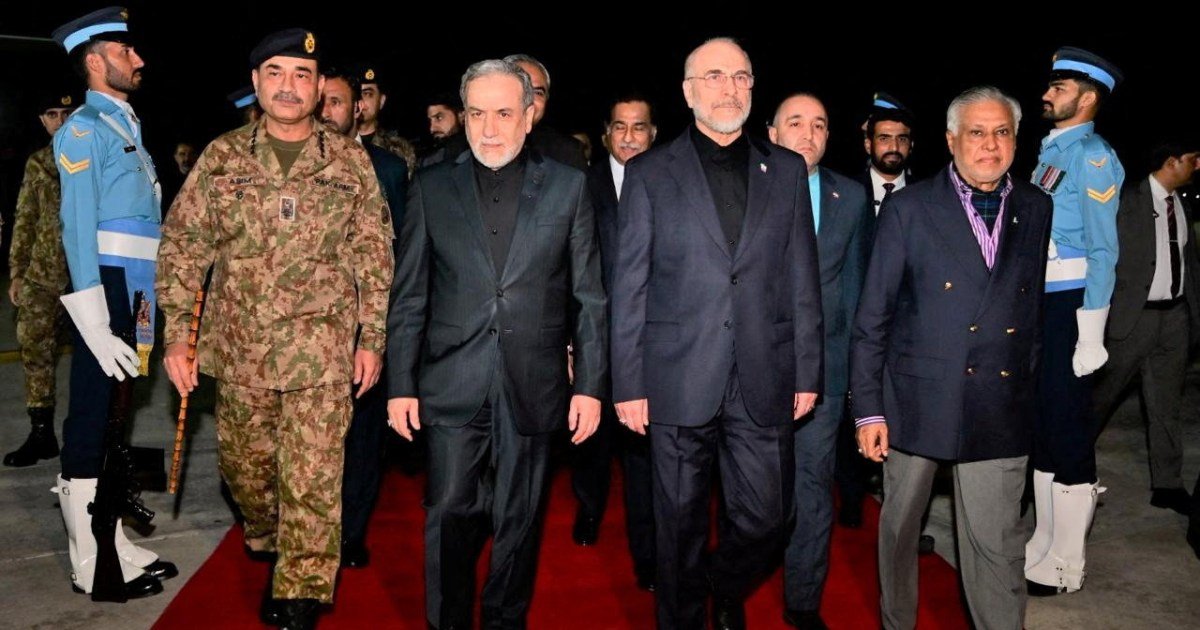
Recent developments have underscored the urgency of the situation. Senior Iranian officials, including parliamentary speaker Mohammad Bagher Ghalibaf and Foreign Minister Abbas Araghchi, have arrived in Islamabad for ceasefire talks with the United States. This diplomatic engagement comes amidst a backdrop of escalating violence, with Lebanon’s Health Ministry reporting a staggering death toll of at least 357 from Israeli airstrikes, a number that is expected to rise as the situation deteriorates. Concurrently, the U.S. has signaled a willingness to negotiate, with Vice President JD Vance emphasizing an “open hand” if Iran engages in good faith. However, skepticism remains high among Iranian analysts regarding the U.S.’s intentions, particularly given the historical context of mistrust and failed negotiations.
The ramifications of this conflict extend beyond immediate military engagements. Politically, the ongoing violence is likely to exacerbate sectarian divisions within Lebanon and could lead to a resurgence of extremist sentiments. Economically, Lebanon is already facing a dire food security crisis, with the United Nations World Food Programme warning of surging prices and disrupted supply chains due to the conflict. The humanitarian toll is staggering, with nearly 2,000 reported deaths and thousands more injured since the onset of hostilities. Security-wise, the conflict poses a significant threat to regional stability, as the potential for a broader war involving Iran, Israel, and the U.S. looms large. The Strait of Hormuz, a critical chokepoint for global oil supplies, remains a focal point of tension, with Iran asserting its leverage over this vital waterway.
From a strategic perspective, the current situation presents both opportunities and risks for the involved parties. Iran’s participation in ceasefire talks indicates a recognition of the need to mitigate the conflict, yet it also reflects a calculated gamble to maintain its influence in Lebanon and the broader region. The U.S., under pressure from rising domestic inflation and geopolitical challenges, seeks a quick resolution to the conflict, which may lead to concessions that could embolden Iran further. Israel, on the other hand, faces the dilemma of balancing military objectives with the need to avoid a protracted engagement that could draw in regional allies and escalate into a wider war. The interplay of these dynamics will shape the future of the Middle East, with Lebanon caught in the crossfire.
Looking ahead, several scenarios could unfold. If the ceasefire talks yield a genuine agreement, there may be a temporary reprieve in hostilities, allowing for humanitarian aid to flow into Lebanon and a potential easing of tensions. However, if negotiations falter, the likelihood of renewed violence increases, with Israel potentially intensifying its military operations against Hezbollah and Iran retaliating through asymmetric warfare tactics. The situation in Gaza and Jerusalem also remains volatile, with the potential for flare-ups that could further complicate the regional landscape. Ultimately, the trajectory of this conflict will depend on the willingness of all parties to engage in meaningful dialogue and the ability to navigate the complex web of alliances and enmities that define the Middle East.
The ongoing war in the Middle East, particularly the developments surrounding Iran and Lebanon, is a critical juncture that demands urgent attention. The implications of this conflict extend far beyond the immediate violence, threatening to reshape the geopolitical landscape of the region for years to come. As the world watches, the stakes have never been higher, and the need for a sustainable resolution is paramount.
About the Author