Trump’s World Cup presents a divisive and angry twist on global football.
 Yemen Herald News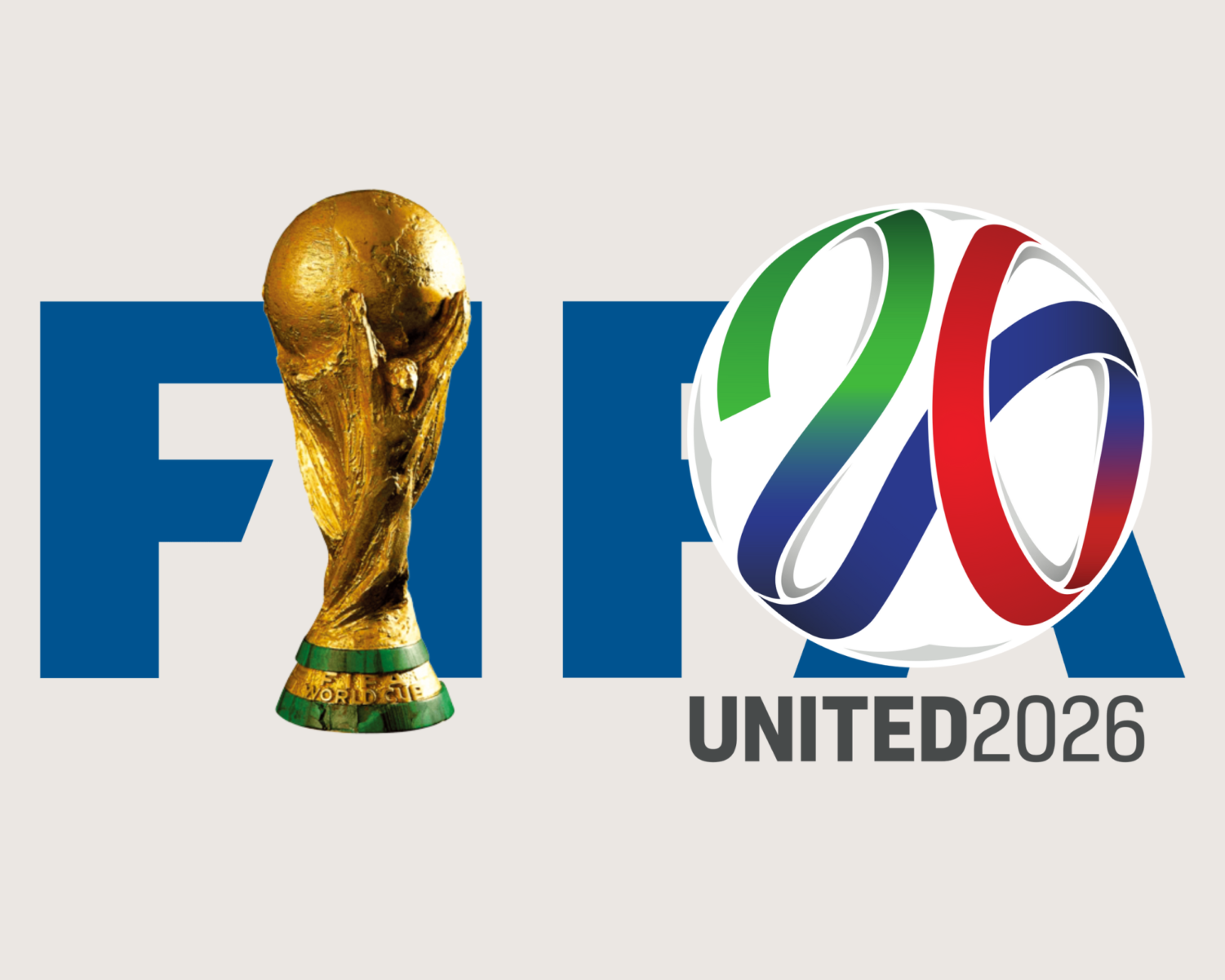
As the 2026 FIFA World Cup kicks off in Los Angeles, the event is overshadowed by geopolitical tensions and the socio-political climate in the United States. The opening ceremony, set to be graced by actor Jason Sudeikis—famous for his role as Ted Lasso—will proclaim that “football unites the world.” Yet, this message of harmony appears discordant against the backdrop of an American military operation that has escalated conflicts with nations like Iran, currently competing in the tournament. This juxtaposition highlights the complexities of hosting an international sporting event amidst ongoing military actions and divisive national policies.
The United States has positioned itself as an influential player in global politics, but its decision to host the World Cup comes with significant challenges. The current administration has faced scrutiny for its militaristic approaches and restrictive immigration policies, which have led to the exclusion of certain FIFA member nations and individuals from participating in the tournament. Notably, the reigning African referee of the year has been barred from entering the U.S., further complicating the narrative of unity that the World Cup typically embodies.
This World Cup is not merely a sporting event; it is a reflection of the broader dynamics of American imperialism and the controversies surrounding its foreign policy. The contradictions of celebrating global unity in a country that is simultaneously engaged in military conflict call into question the integrity of the event. The expectations for an inclusive, celebratory atmosphere clash sharply with the realities of exclusion and hostility that some nations face.
The 2026 FIFA World Cup represents a significant milestone, being the first tournament hosted by a nation embroiled in ongoing military conflicts while also facing internal political strife. The United States, alongside its co-hosts Mexico and Canada, has welcomed national teams from around the globe, including Iran, whose players will arrive in Los Angeles just days after U.S. military actions against their country. This unique situation raises important questions about the political implications of sports diplomacy in the current global landscape.
The tournament is expected to draw hundreds of millions of viewers, making it one of the most-watched sporting events in history. However, the presence of political figures like U.S. President Donald Trump and FIFA President Gianni Infantino adds layers of complexity to the proceedings. Infantino, known for his grand proclamations about football’s ability to bring people together, faces criticism for his apparent indifference to the consequences of the U.S. military actions on international relations and the exclusion of certain individuals from participating in the event.
In addition to the geopolitical ramifications, the World Cup also serves as a stage for discussions about sportswashing and how major events can be used to distract from domestic and international issues. The notion that football can bridge divides is tested as the realities of American foreign policy and immigration practices unfold, casting a shadow over the tournament’s festive spirit.
The Iranian national team arrives at the World Cup amidst significant challenges, including ongoing military operations that have heightened tensions between their home country and the United States. Players will participate in the tournament under the scrutiny of international media and political observers, all while grappling with the realities of their government’s actions against the host nation. This context places additional pressure on the players, who are tasked with representing their country on a global stage while being acutely aware of the charged atmosphere surrounding them.
The U.S. Men’s National Team (USMNT) enters the World Cup with high hopes, buoyed by a mix of young talent and seasoned veterans. As the host nation, they aim to make a strong impression, not only for their footballing prowess but also to symbolize a united American front. However, the internal divisions reflected in U.S. policies may affect team morale and public support, creating a challenging environment for the players.
Coaches and team staff will have to navigate the complexities of motivating their players in the face of external pressures. The narrative of unity that the World Cup promotes is countered by the realities of exclusion and division, which may influence the teams’ performances and the atmosphere in the stadiums. The contrasting experiences of the players from Iran and the U.S. set the stage for a compelling narrative that transcends the sport itself.
On the field, the tactical approaches of the teams will be scrutinized, particularly in the context of the geopolitical backdrop. For the U.S., the ability to harness home advantage could prove crucial in their matches. The players will need to deliver performances that not only resonate with their supporters but also reflect the hopes of a nation grappling with its identity on the world stage. The dynamics of their games will likely be influenced by the public’s emotional investment in the broader narrative of the tournament.
Iran, on the other hand, will approach the tournament with a sense of urgency and determination. The players, aware of the symbolic significance of their participation, may channel their experiences into powerful performances. The tactical strategies employed by both teams will be critical in determining the outcomes of their matches, with each seeking to capitalize on their respective strengths while navigating the psychological pressures of the situation.
Moreover, the implications of the tournament extend beyond the pitch. The visibility of the World Cup offers an opportunity for players and teams to engage with fans and communities, potentially fostering dialogue and understanding. The tactical battles on the field may serve as a microcosm for the larger societal issues at play, inviting reflection on the role of sports in bridging divides even as tensions simmer in the background.
The 2026 World Cup stands as a profound reflection of the current sociopolitical climate in the United States and its impact on international relations. The decision to host the tournament amid ongoing military conflicts raises essential questions about the ethics of sports diplomacy and the responsibilities of host nations. While FIFA touts the event as a celebration of unity, the realities of exclusion and division challenge this narrative, prompting discussions about the potential for change within the sport.
FIFA President Gianni Infantino’s role in the tournament has come under scrutiny, particularly regarding his handling of geopolitical issues related to the event. His statements about football’s power to unite may ring hollow in light of the exclusionary practices that have characterized the current U.S. administration. The juxtaposition of Infantino’s idealistic proclamations against the backdrop of American isolationism underscores a growing disconnect between the governing body of football and the realities faced by nations around the world.
The World Cup also serves as a litmus test for the future of international sporting events in an increasingly polarized world. As the tournament unfolds, it may reveal the extent to which sports can transcend political boundaries and foster understanding among diverse cultures. Alternatively, it could expose the fractures that exist within the global community, highlighting the challenges of reconciling the ideals of unity with the complexities of real-world politics.
As the tournament progresses, all eyes will be on the interactions between teams, players, and fans, particularly in light of the ongoing geopolitical tensions. The performances on the pitch will undoubtedly capture the attention of millions, but the broader implications of the World Cup will resonate long after the final whistle. The potential for dialogue and engagement among nations may emerge as a critical takeaway from the tournament, providing opportunities for reflection on shared values and common goals.
In the immediate aftermath of the games, discussions surrounding the impact of the World Cup on American culture and politics will likely dominate headlines. The narratives constructed during the tournament could shape perceptions of national identity and the role of sports in fostering unity or division. Observers will be keen to analyze how the outcomes of the matches influence public sentiment and international relations in the coming months.
Ultimately, the 2026 FIFA World Cup presents a unique moment in time—one that encapsulates the complexities of our globalized world. As the tournament unfolds, it will challenge us to consider how sports can serve as a platform for change, dialogue, and reconciliation, even amidst the backdrop of conflict and division. The legacy of this tournament may hinge not only on the football played but also on the conversations sparked and the connections forged in its wake.
About the Author