In recent years, maritime security has become a pressing concern in the
 Yemen Herald News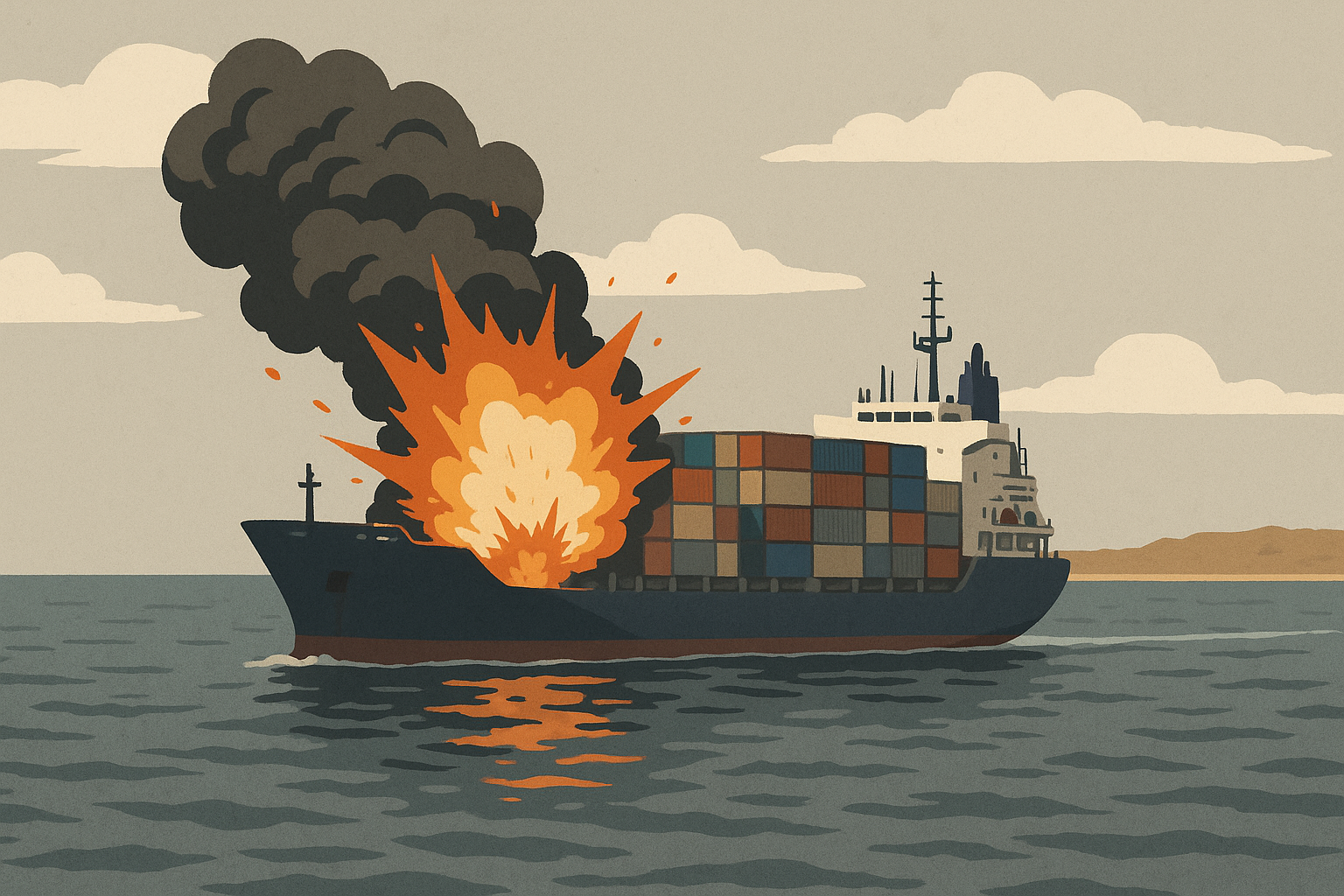
In recent years, maritime security has become a pressing concern in the waters surrounding the Gulf region, particularly with ongoing geopolitical tensions. The situation has been exacerbated by the prolonged conflict in Yemen, which began in 2015 and has drawn in multiple regional powers, all vying for influence. The bustling trade routes in this area are crucial, as they contribute significantly to the global economy, particularly for nations reliant on oil exports and other goods.
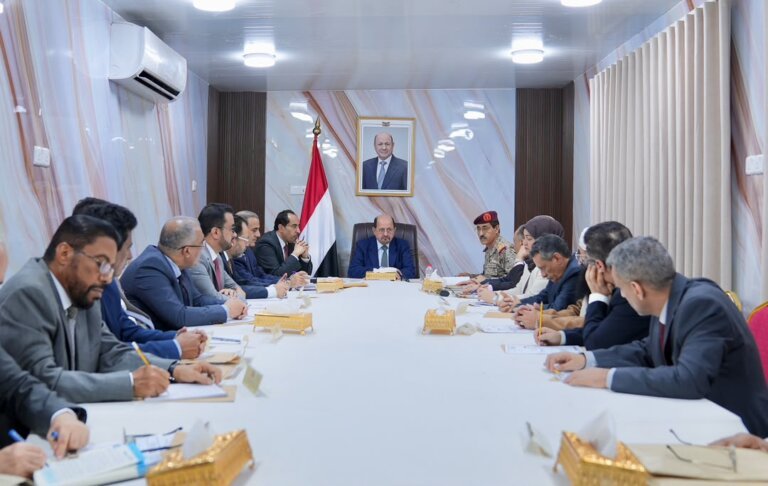
The Yemeni conflict involves various factions, including the Iran-backed Houthis and the Saudi-led coalition, which includes the United Arab Emirates. The instability in Yemen has had a ripple effect on the surrounding regions, including Iraq, where political and security issues also abound. This complex tapestry of conflict has made maritime navigation increasingly hazardous, with vessels frequently encountering security threats from both state and non-state actors.
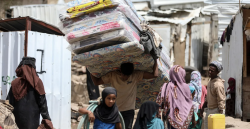
Yemeni Conflict Overview
The strategic port city of Umm Qasr in Iraq plays a vital role in the maritime trade network of the region. Located at the northern tip of the Arabian Gulf, it serves as a crucial entry point for imports to Iraq. The port’s proximity to conflict zones raises alarms about potential disruptions due to various military and insurgent activities. Incidents such as explosions on commercial vessels are not merely local concerns; they add layers of risk to maritime trade that can affect economies far beyond Iraq’s borders.
Recently, the United Kingdom Maritime Trade Operations (UKMTO) reported an incident involving a cargo ship that experienced an explosion caused by an unidentified projectile while navigating near the approaches to Umm Qasr. Details about the vessel’s condition and the number of casualties are currently unclear, as officials continue to investigate the origin of the explosion. The region has been advised to exercise heightened vigilance and to report any unusual activities, underscoring ongoing fears over maritime security.
The UKMTO serves as a significant component in enhancing maritime safety for commercial vessels operating in contentious zones. Their alerts often highlight the fragile security environment surrounding strategic shipping routes, particularly in areas impacted by regional tensions. The details surrounding the incident have sparked concerns of wider implications for commercial shipping, which has faced multiple threats over recent years amidst prevailing instability.
Maritime Safety Measures
Responses from authorities in the region have emphasized the need for caution among vessels involved in maritime trade. Such advisories reflect a wider trend of insecurity that has characterized shipping operations, especially near conflict zones in the Gulf. The incident serves as a stark reminder that the maritime environment remains perilous, where threats can surface unexpectedly and potentially escalate into wider crises.
Various stakeholders are engaged in the maritime and security landscape in and around the Gulf, with their interests often intersecting and competing. National governments, international organizations, shipping companies, and regional militias all play critical roles in a complex network. For instance, the Iraqi government, tasked with maintaining sovereignty and law in its territorial waters, is significantly impacted by incidents affecting trade and security in the area of Umm Qasr.
In the context of the broader regional conflict, actors such as the Houthis have a stake in the disruptive potential of maritime operations. Their capacity to target commercial vessels serves multiple strategic purposes, ranging from showcasing military capabilities to stressing the vulnerabilities of their adversaries. This underscores the multifaceted dimensions of security threats that commercial shipping faces in the northern Gulf.
Additionally, international maritime organizations, such as the UKMTO, are crucial for providing alerts and coordinating responses among vessels operating in high-risk regions. They aim to facilitate safe passage through sharing vital information about potential hazards and threats. These organizations are vital in fostering cooperation among nations and commercial entities, as they collectively navigate the complexities of ensuring maritime security amidst geopolitical conflicts.
Industry leaders within global shipping companies are directly affected by such incidents as well. They must weigh their commercial interests against the risks posed by ongoing instability. Decisions surrounding route planning, cargo insurance, and even vessel armament reflect an evolving understanding of the threats that vessels face in a landscape marked by uncertainty.
The explosion off Umm Qasr reverberates beyond immediate maritime concerns, potentially impacting regional trade dynamics and economic stability. The Gulf region’s economic health is intricately linked to its shipping lanes, particularly as oil and gas are crucial commodities for the economies of many surrounding countries. An incident such as this can spark fears of reduced shipping activity, contributing to higher costs and delays for cargo shipments.
Economic Impact of Incident
Moreover, the incident underscores the strategic importance of maintaining secure trade routes in the face of conflict-driven disruptions. As countries strive to stabilize their economies, disruptions in the shipping lanes become palpably concerning. This situation can have cascading effects on energy prices and imported goods, affecting various sectors, from manufacturing to consumer goods.
Furthermore, the evolving nature of maritime security threats can serve to elevate tensions among regional players, encouraging increased militarization of waterways. Countries may respond to threats with heightened military presence and naval engagements, leading to a potentially destabilizing arms race in the region. This antagonistic posture has the potential to escalate existing conflicts, as nations become more assertive in protecting their interests and economic assets.
The maritime incident also poses risks to humanitarian efforts, especially given that the region is dealing with significant humanitarian crises due to prolonged conflicts. Areas like Yemen are still grappling with widespread famine and health emergencies that require consistent aid deliveries. Disruptions in maritime operations might impede these efforts, compounding the suffering faced by millions who are already in desperate need of assistance.
Humanitarian Concerns
The risks associated with maritime security in the Gulf are deeply intertwined with regional political dynamics and the ongoing conflict in Yemen. The explosion near Umm Qasr not only raises questions about the immediate safety of shipping routes but also reflects a broader atmosphere of uncertainty that has pervaded the region. The complex network of alliances and rivalries contributes to a climate in which non-state actors can exploit vulnerabilities in maritime operations.
This landscape demands that shipping companies and maritime stakeholders become increasingly adaptable in their operational protocols. They must develop robust risk assessment frameworks and contingency plans to mitigate the impacts of potential threats. Investing in technology and intelligence-sharing can significantly enhance the safety of commercial vessels traveling in these perilous waters.
In this context, regional cooperation becomes essential in addressing maritime threats. Countries must work together to enhance surveillance, share intelligence, and facilitate joint operations to secure shipping lanes. Additionally, strengthening international frameworks for maritime law and security can provide a more coordinated approach to addressing threats posed by piracy, insurgent activities, and geopolitical rivalries.
Regional Cooperation Needs
As the geopolitics of the region continue to evolve, securing maritime trade routes will remain a key priority for both national governments and international bodies. The ability to navigate these challenges effectively can contribute to the overall stability of the region, allowing for more secure economic development and alleviating humanitarian crises through reliable supply chains.
In the aftermath of the explosion off Umm Qasr, investigations will likely intensify to ascertain the source of the projectile and the motivations behind the attack. Authorities from Iraq and international maritime organizations may collaborate to enhance situational awareness in the region. Increased monitoring of maritime activities will be critical in identifying potential threats and safeguarding vessels operating in the area.
Simultaneously, the incident may lead shipping companies to reassess their risk profiles and operational strategies. This could involve altering maritime routes to avoid high-risk zones and investing in security measures, such as reinforced hulls or onboard defense systems. The incident could catalyze broader dialogue among maritime industry players regarding best practices for ensuring safety amidst ongoing conflicts.
Furthermore, the geopolitical implications of the incident will likely reverberate throughout the region. Countries with vested interests in maintaining stability in the Gulf may pursue diplomatic engagements to mitigate tensions and prevent further escalations. Such diplomatic efforts will be essential for addressing the larger issues underpinning the ongoing conflicts in Iraq and Yemen, as well as enhancing regional cooperation on maritime security.
Lastly, as humanitarian needs continue to swell, efforts to facilitate secure aid deliveries must remain a focus for regional players. Collaborative mechanisms between governments and international organizations may emerge to ensure that humanitarian corridors can operate without interference, thereby alleviating suffering in conflict-affected areas. As the region grapples with pressing security concerns, it must also prioritize humanitarian imperatives to foster stability and hope for the future.
About the Author