UN Warns Lebanon’s Shelters Are Overwhelmed as Displacement Accelerates
 Yemen Herald News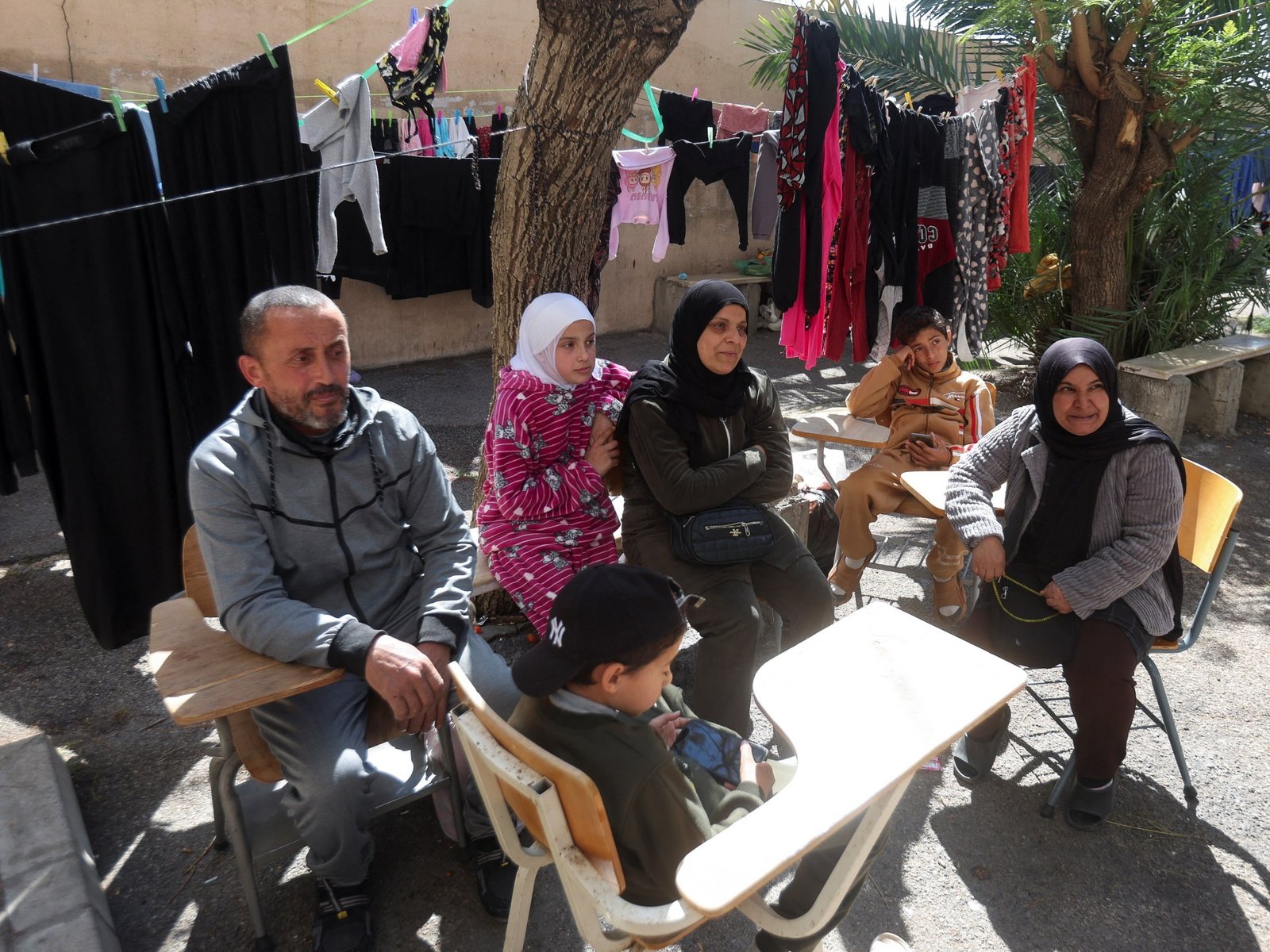
The United Nations warned in March 2026 that Lebanon’s displacement crisis was accelerating faster than the shelter system could absorb it, as Israeli military operations pushed hundreds of thousands of people out of the south and out of Beirut’s southern suburbs. Briefing the Security Council, UN humanitarian chief Tom Fletcher said the movement of people was outpacing the capacity to receive them, and that shelters already open were overcrowded and short of essentials.
Figures reported at the time put the number displaced at more than 816,000, a total that continued to climb through the month. Fletcher described large-scale movement into densely populated urban areas where shelter capacity was severely strained, with sanitation inadequate and supplies insufficient. Those conditions, he said, raised the risk of harassment, sexual violence and exploitation, with women and girls most exposed. Lebanese authorities recorded 126,000 displaced people living in 589 collective shelters, meaning the great majority of those uprooted were staying with relatives, renting where they could, or sleeping in unfinished buildings and public spaces outside any formal system.
Casualty figures reported by Lebanon’s health ministry at that point stood at at least 634 killed and 1,586 injured since the attacks intensified, among them women, children and paramedics. Those totals rose sharply in the weeks that followed. The UN human rights office later documented at least 1,029 people killed and 2,786 injured during the first three weeks of the escalation, and by the end of March Lebanese authorities were reporting more than a million people displaced.
The escalation dates to 2 March 2026, when Hezbollah began firing rockets into northern Israel following the United States-Israeli attack on Iran and the killing of Iran’s Supreme Leader, Ali Khamenei. After a Hezbollah barrage towards Haifa, Israel extended its military operation into Lebanon, combining large-scale airstrikes and shelling with ground incursions. The heaviest operations were reported in Nabatieh, the Bekaa valley, Baalbek and the southern suburbs of Beirut.
Israeli forces also issued forced displacement orders covering districts of southern Lebanon and parts of Beirut, instructing residents to leave at short notice. Families described chaotic departures with little more than documents and what they could carry, on roads that were themselves being struck. Humanitarian organisations have consistently argued that evacuation orders do not discharge the obligation to protect civilians, and that warnings delivered hours in advance to areas without functioning transport leave many people, particularly the elderly and those with disabilities, unable to comply.
Aid agencies working alongside Lebanese authorities described a response running well behind need. Schools converted into collective centres lost their teaching function, interrupting education for children who in many cases had already had years of schooling disrupted. Fletcher and other UN officials repeatedly noted that children were among those most affected, both by the immediate displacement and by the loss of routine and stability that follows it. UNICEF reported later in March that close to 19,000 Lebanese children were being displaced every day as strikes continued across the country.
Shelter registration data illustrated the gap between formal provision and actual need. With roughly a sixth of the displaced accounted for in official collective centres, the remainder relied on host families in Beirut, Tripoli and the north, on informal rentals whose prices rose quickly, and on unfinished concrete structures with no water or electricity. Host communities absorbing large numbers of arrivals reported strain on their own water, waste and health services within days.
Humanitarian workers were themselves being killed. The International Committee of the Red Cross raised concern about the safety of aid personnel after a volunteer died in Tyre while carrying out relief work, and Lebanon’s health ministry recorded mounting losses among paramedics and civil defence teams responding to strikes. By late March the ministry put the toll among health workers since the escalation began at 51, and the World Health Organization reported hospitals and primary health centres across the south closing or operating at reduced capacity.
The financial position compounded the operational one. Lebanon entered the escalation after years of economic collapse, with public institutions weakened, the banking system unresolved and the state in no position to fund a large-scale emergency response. Humanitarian appeals for the country had been persistently underfunded before March 2026, and the sums required rose steeply as displacement figures grew, leaving agencies rationing shelter materials, water trucking and medical supplies.
Fletcher’s message to the Security Council, delivered again at the end of March from Beirut, was that the country was at breaking point and needed the means to keep functioning rather than sympathy. He described a state exhausted by conflicts largely initiated elsewhere, and pressed members for both funding and pressure towards a ceasefire, arguing that no humanitarian operation could keep pace with displacement on the scale being recorded.
For displaced families the practical questions were narrower: where to sleep, how to reach clean water, whether a school shelter would still be open the following week, and whether the buildings they had left were still standing. Reports from collective centres described several families sharing single classrooms, shared sanitation facilities serving hundreds of people, and no clear timeline for return. Those conditions, aid workers warned, create their own longer-term harms, in public health and in the loss of a generation’s schooling, that persist long after the strikes stop.
About the Author