US State Department Imposes Visa Restrictions on Individuals Supporting Adversaries
 Yemen Herald News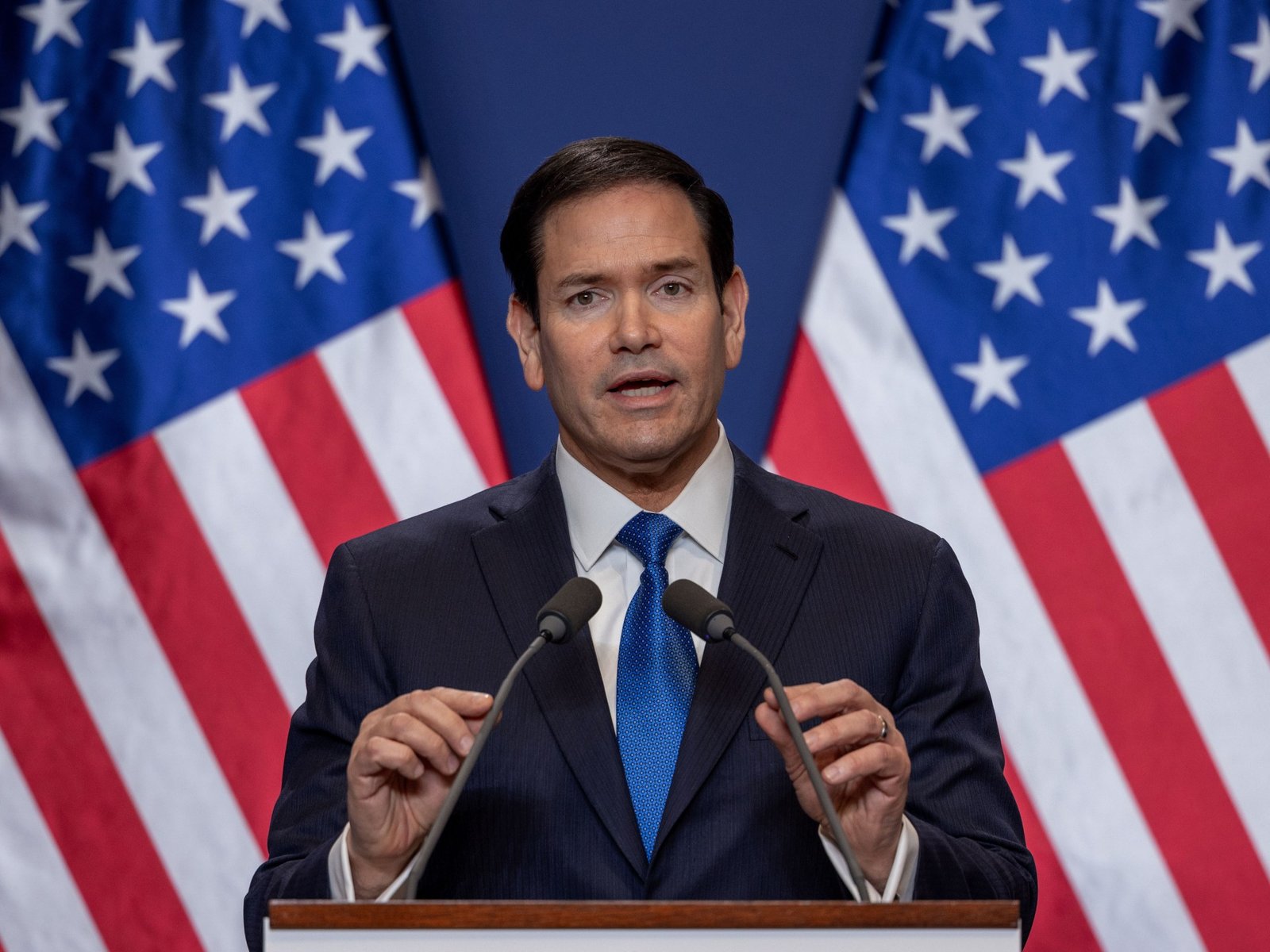
The recent announcement by the US State Department to restrict visas for individuals deemed to support adversaries poses significant implications for international relations, particularly in the Western Hemisphere. This policy not only reflects a shift in US foreign policy but also signals a potential escalation of geopolitical tensions that could reverberate throughout the Americas and beyond.
The geopolitical landscape of the Americas has been increasingly fraught with tension, particularly as the US grapples with the rising influence of adversarial powers such as China and Russia. The Trump administration’s invocation of a modernized “Monroe Doctrine” underscores a commitment to counteract foreign influence in the region, particularly from nations perceived as threats to US interests. This policy shift is not merely a reaction to external pressures but also a reflection of internal political dynamics, where the administration seeks to consolidate power and assert dominance over regional narratives.
The ramifications of these visa restrictions are profound. Politically, they serve to isolate individuals and governments that challenge US hegemony, effectively silencing dissenting voices within the region. Economically, this policy could deter foreign investment and collaboration, as countries may hesitate to engage with US allies for fear of repercussions. Security-wise, the aggressive stance taken by the Trump administration could provoke retaliatory measures from targeted nations, leading to an escalation of tensions that could destabilize the entire region. The recent revocation of visas for Brazilian officials involved in prosecuting former President Jair Bolsonaro and Colombian President Gustavo Petro illustrates the lengths to which the US is willing to go to maintain its influence.
This policy represents a significant shift in the US’s approach to foreign relations, particularly in how it perceives and interacts with adversarial nations. The Trump administration’s militaristic rhetoric and actions, including the recent attacks on Venezuela and the ongoing fuel blockade against Cuba, indicate a willingness to employ force as a means of asserting dominance. The labeling of drug cartels as “foreign terrorist organizations” further complicates the narrative, as it frames domestic issues as international threats, justifying military intervention and aggressive foreign policy measures. This creates a precarious situation where the US may find itself embroiled in conflicts that extend beyond its borders, with potentially devastating consequences for regional stability.
Looking ahead, the trajectory of US foreign policy in the Americas will likely continue along this aggressive path. As the administration seeks to consolidate its power and counteract perceived threats, we can expect further visa restrictions and military actions against nations that challenge US interests. The potential for increased conflict is high, particularly if adversarial nations respond with their own measures, leading to a cycle of retaliation that could spiral out of control. Additionally, the growing ties between Latin American countries and China may prompt the US to escalate its efforts to undermine these relationships, further complicating the geopolitical landscape.
The US State Department’s decision to restrict visas for individuals supporting adversaries marks a critical juncture in the geopolitical dynamics of the Americas. This policy not only reflects a broader strategy to assert US dominance but also risks igniting further tensions that could destabilize the region. As the US navigates this complex landscape, the consequences of its actions will resonate far beyond its borders, shaping the future of international relations in a rapidly changing world.
About the Author