Yemen and Germany’s Friedrich Ebert Foundation Explore Climate and Renewable Energy Cooperation
 Yemen Herald News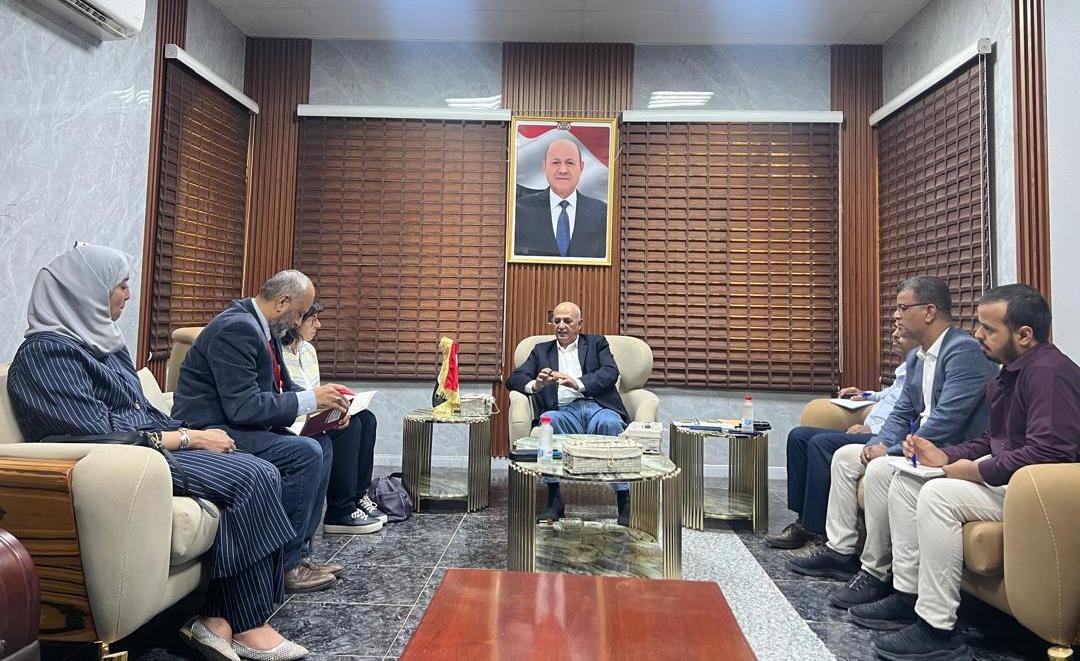
Yemen’s Minister of Water and Environment, Engineer Tawfiq Al-Sharjabi, has held talks with a representative of Germany’s Friedrich Ebert Foundation on ways to deepen cooperation in environmental affairs, climate action and the sustainable management of resources. The meeting brought together the minister and Esther Becker, the foundation’s regional coordinator for renewable energy and climate change in the Middle East, who also serves as its non-resident representative for Yemen, and it pointed to a growing recognition of the role international partnerships can play in confronting the country’s mounting environmental pressures.
The discussion took place against the backdrop of a conflict that has battered Yemen since 2015 and compounded a set of environmental problems that long predate the war. The two sides reviewed the foundation’s activities and programmes, with particular attention to renewable energy, climate adaptation and sustainable development, and explored where joint initiatives might support Yemen’s efforts to build resilience. For a country whose institutions have been stretched thin by years of fighting, access to outside expertise and programmes carries obvious appeal.
Al-Sharjabi, who has led the Ministry of Water and Environment since late 2020, set out the scale of the obstacles facing Yemen’s water and environmental sectors. Both have been severely affected by the conflict, which has damaged infrastructure, disrupted services and diverted attention and funding away from long-term environmental planning. The minister stressed that these challenges are not merely technical but bound up with the welfare of a population already enduring a prolonged humanitarian emergency.
Water scarcity sits at the heart of Yemen’s environmental difficulties. The country is among the most water-stressed in the world, and the depletion of groundwater, combined with erratic rainfall and the breakdown of management systems during the war, has left many communities struggling to secure reliable supplies. Addressing these pressures, officials argue, requires both immediate relief and longer-term strategies that can withstand the effects of a changing climate. Agriculture, which sustains the livelihoods of a large share of the rural population, is especially exposed when water becomes scarce, tying the country’s environmental health directly to its food security.
Climate change adds a further layer of risk. Yemen is highly vulnerable to rising temperatures, shifting rainfall patterns and extreme weather events such as floods, which in recent years have destroyed homes and farmland and displaced families already uprooted by conflict. The minister framed cooperation on climate adaptation as essential not only for protecting the current environmental landscape but also for safeguarding the resilience and longevity of Yemen’s natural ecosystems in the years ahead.
A significant part of the conversation focused on renewable energy. With its abundant sunshine and considerable wind potential, Yemen is well placed to expand solar and wind power, and the collapse of much of its conventional electricity supply during the war has already pushed many households and businesses toward solar systems out of necessity. Officials see in this a strategic opportunity: a chance to rebuild the energy sector around cleaner and more decentralised sources that are better suited to the country’s fragmented circumstances. Decentralised solar installations, in particular, can keep clinics, schools and water-pumping stations running in areas where the central grid has failed, making them as much a humanitarian tool as an environmental one.
Al-Sharjabi also called for stronger exchanges of expertise with international organisations working on environmental and climate issues. By tapping into specialised research and collaborative programmes, he suggested, Yemen could better align its environmental strategies with global best practice, while building the skills of local professionals. Strengthening that human capacity, the ministry argues, is critical to creating a workforce capable of managing the country’s resources sustainably over the long term.
The Friedrich Ebert Foundation, a German political foundation with a long history of work in the Middle East, brings experience in supporting dialogue, policy development and capacity building around energy and climate questions. Its engagement in Yemen reflects a broader pattern of international actors seeking to connect humanitarian relief with longer-term development, helping local institutions plan beyond the immediate demands of the crisis. For the ministry, partnerships of this kind offer both technical support and a degree of continuity in a context where resources are unpredictable.
Officials presented the meeting as part of a wider effort to keep environmental and climate concerns on the agenda even as the conflict dominates national life. The risk, many experts warn, is that environmental degradation becomes a slow-burning crisis layered beneath the more visible emergencies of war and displacement, storing up problems that will be harder to reverse the longer they are neglected. Sustained cooperation with foreign partners is seen as one way of guarding against that outcome.
Looking ahead, both sides expressed interest in moving from general discussion toward concrete initiatives, though officials acknowledged that turning intentions into projects will depend on funding, security and the continued willingness of partners to invest in a difficult environment. For Yemen, the value of such engagement lies in laying the groundwork now for a more sustainable future, so that when conditions allow, the country is better prepared to manage its water, energy and natural resources in the face of a changing and increasingly unpredictable climate.
About the Author