
Yemen and ISL hold discussions to expand development support and address financing gaps.
 Yemen Herald News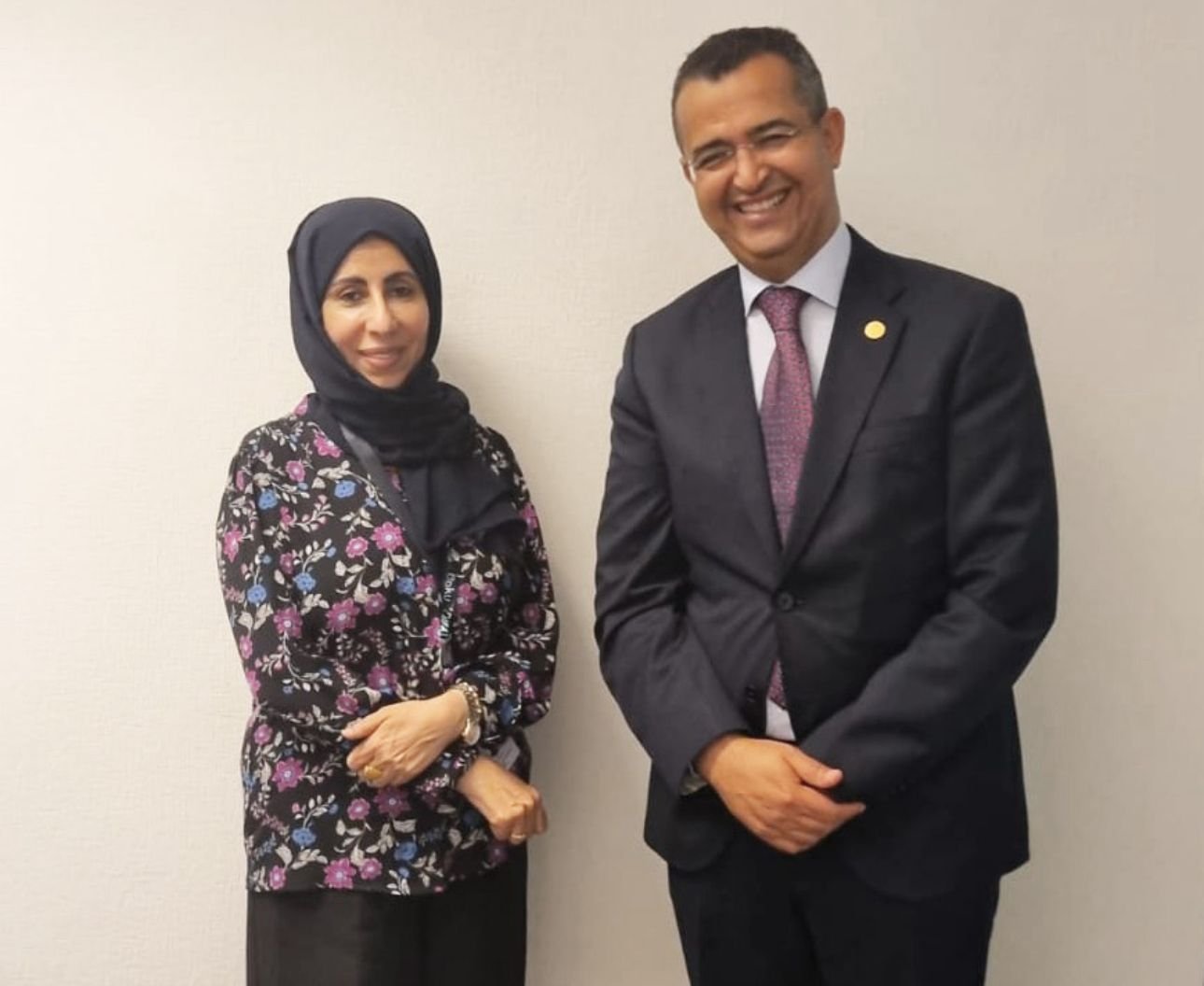
The humanitarian situation in Yemen has reached alarming levels, with over 18 million people in dire need of assistance as of 2023. The collapse of the state has led to widespread suffering, including more than 4.5 million internally displaced persons (IDPs) and frequent outbreaks of diseases such as cholera and measles. International organizations continue to warn that the country is on the brink of famine, with food insecurity affecting millions of families.
Amidst this turmoil, foreign aid and development assistance are critical in addressing the ongoing crises. The Islamic Development Bank (IsDB) has been one of the key stakeholders involved in providing financial support to Yemen, aiming to initiate and sustain development projects that can help stabilize the nation. Recently, this engagement was highlighted during the bank’s annual meetings in Azerbaijan, where representatives from Yemen sought to strengthen collaborative efforts to aid their beleaguered country.
During the recent annual meetings of the Islamic Development Bank, Yemeni officials engaged in crucial discussions to enhance financial assistance for the war-torn nation. Dr. Afrah al-Zuba, the Minister of Planning and International Cooperation and Yemen’s representative at the IsDB, met with Saleh al-Jalasi, the Director responsible for the Gulf Cooperation Council states and Yemen within the bank’s framework. The primary focus of their talks revolved around speeding up the implementation of development projects that had stalled due to various constraints.
The discussions specifically emphasized the need to tackle the financial arrears that Yemen owes to the bank, which is seen as a significant hurdle in the full restoration of operational capacity within the country. Moreover, the talks explored expanding available grant funding, particularly concentrating on sectors crucial to tackling unemployment, such as youth employment initiatives and the support of small and micro-enterprises.
Al-Zuba highlighted the historical relationship between Yemen and the Islamic Development Bank, which spans over forty years. This long-standing partnership is perceived as vital to the country’s recovery and development efforts. The Yemeni officials articulated the urgency for a structured framework at the country level that aligns with Yemen’s forthcoming development plan, ensuring that future funding mechanisms can be better coordinated to maximize impact.
The principal stakeholders in this discussion include the Yemeni government, represented by Dr. Afrah al-Zuba, and the Islamic Development Bank, spearheaded by Saleh al-Jalasi. Dr. Al-Zuba’s dual role as Minister of Planning and International Cooperation and Yemen’s governor at the IsDB enables her to advocate for the interests of her country, particularly in securing vital financial resources. Her engagement reflects a strategic approach toward not only addressing Yemen’s immediate needs but also paving the way for longer-term development initiatives.
The Islamic Development Bank positions itself as a critical player in the region, focusing on development finance as a mechanism to support countries in crisis. The bank’s commitment to Yemen illustrates a broader dedication to promoting stability in the Gulf region, as the success of its initiatives can have significant ripple effects on overall geopolitical stability.
Moreover, regional dynamics play a vital role in these discussions. The ongoing civil conflict and its security implications make it imperative for both local and international stakeholders to foster economic resilience in Yemen. The interconnectedness of Yemen’s situation with regional powers, particularly the influence of Iran and Saudi Arabia, further complicates the financial aid landscape and shapes the negotiations at hand.
The implications of expanded development financing in Yemen extend beyond its borders, affecting the broader Gulf region and international stakeholders invested in stability. As Yemen is situated along critical maritime routes, such as the Red Sea and the Bab al-Mandab Strait, any significant government improvement can influence global trade and economic security. Continued instability in Yemen poses threats not only to Gulf states but also to global supply chains that rely on these vital shipping lanes.
An increase in job creation and economic development initiatives, particularly those aimed at empowering youth, could result in a more stable society. Given that the Yemeni conflict has bred recruitment opportunities for various militia groups, particularly among disillusioned youth, fostering economic opportunities can potentially reduce radicalization and violence. Hence, regional security dynamics could improve alongside Yemen’s economic enhancements.
On a diplomatic level, successfully addressing Yemen’s financial arrears and implementing sustainable development projects could foster stronger relationships between Yemen and international partners, including the IsDB. It may also enhance Yemen’s negotiating power in discussions with conflicting regional forces, creating an opportunity for broader peacebuilding initiatives that could stabilize not only Yemen but also the entire Gulf region.
The ongoing discussions between Yemen and the Islamic Development Bank reveal a pragmatic approach toward addressing the multifaceted crises faced by the country. As Dr. Afrah al-Zuba and Saleh al-Jalasi engage in dialogue on financial strategies, the pressing need for increased grant allocations signifies a recognition of the acute economic distress affecting ordinary Yemenis. The focus on youth employment, small enterprise support, and economic recovery programs underscores a critical understanding of the essential sectors that need immediate attention for a viable recovery.
Moreover, the historical partnership between Yemen and the IsDB provides a solid foundation upon which future cooperation can be framed. Yet, the criticism surrounding Yemen’s financial arrears must be addressed for genuine progress to be achieved. The lack of resolution surrounding these arrears could hinder the bank’s operational engagement and taint relations, ultimately affecting project outcomes and development effectiveness.
The Yemeni government needs to adopt a collaborative approach when crafting its upcoming development plan, ensuring alignment with international partners like the IsDB. By establishing a clear, structured framework, Yemen can improve the coordination of aid resources, making it easier for development partners to align their strategies with local needs. This coherence is especially important during times of crisis when demand for humanitarian and economic assistance is at its peak.
Moving forward, a concerted effort will be required from both Yemen’s government and the Islamic Development Bank to navigate the complexities of development financing and implementation. The Yemeni government must prioritize resolving the financial arrears issue, as this is critical for restoring the bank’s full operational capabilities in the country. A transparent dialogue about fiscal responsibility and commitments will not only pave the way for increased funding but also strengthen governance structures.
The current discussions hint at a hopeful trajectory, suggesting that Yemen could secure a larger allocation of grants amidst the ongoing economic turmoil. Should these negotiations succeed, new programs aimed at job creation and economic recovery are likely to be prioritized, bringing immediate relief to affected populations. This could create a hope-filled environment for negotiations regarding peace and stability.
Furthermore, as Yemen aims to align its future development plan with the broader frameworks established by international financial institutions, stakeholders must emphasize a cohesive approach that addresses both immediate humanitarian needs and long-term economic goals. Continuous collaboration between local authorities, regional partners, and international entities will be essential in orchestrating a synchronized recovery strategy.
In conclusion, the outcome of these discussions will be pivotal for Yemen’s future. Both the Yemeni government and the Islamic Development Bank have a unique opportunity to leverage their historical partnership to chart a sustainable course for recovery and development that could resonate throughout the region, leading Yemen toward a path of stability and growth amidst the lingering shadows of war.
About the Author




