Yemen and Malaysia Explore Deeper Health Cooperation and Medical Training
 Yemen Herald News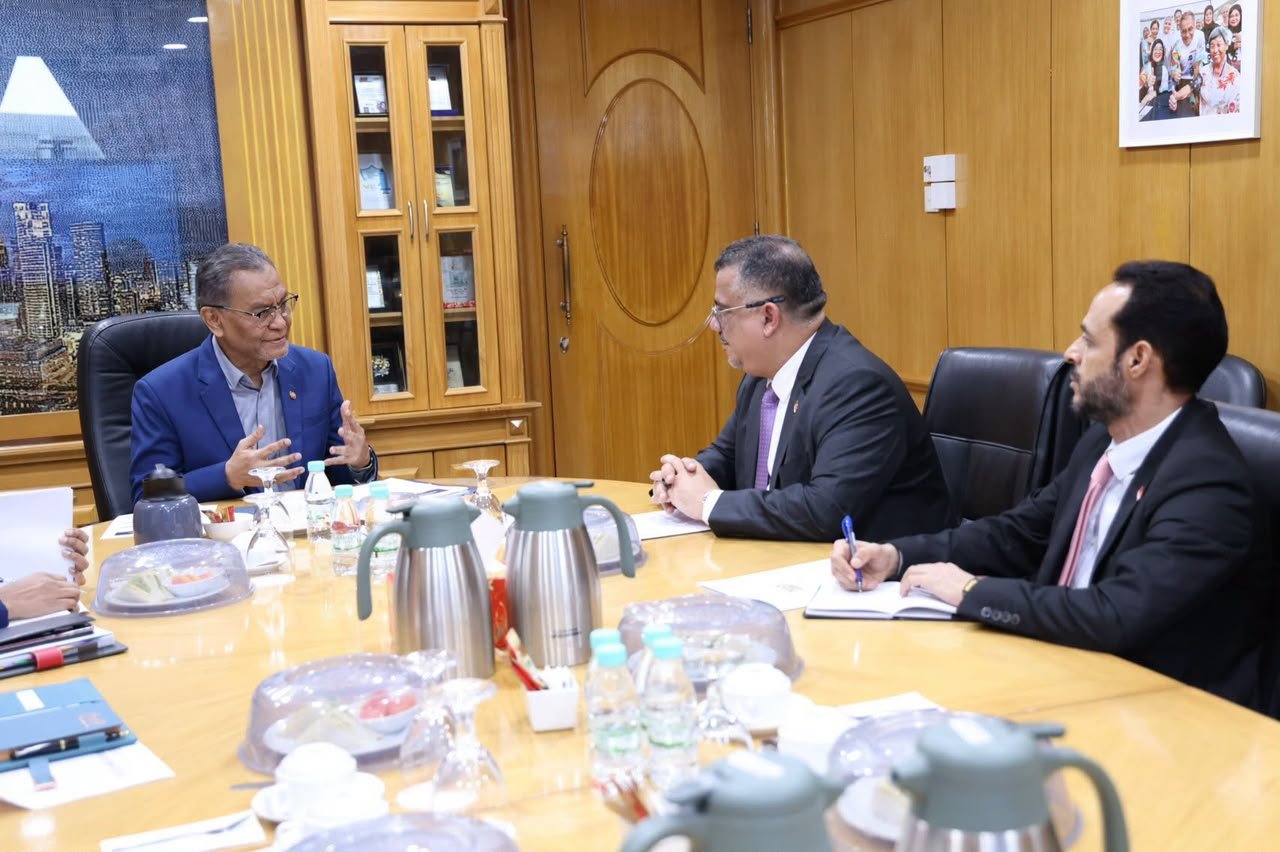
Yemen’s ambassador to Malaysia, Dr Adel Bahumaid, met Malaysian Health Minister Dr Dzulkefly Ahmad on Monday for talks on expanding cooperation in the health sector, a meeting both sides presented as a step toward building practical channels of health diplomacy at a time when Yemen’s medical system remains under severe strain after more than a decade of war.
According to Yemen’s state news agency Saba, the discussions covered several priority areas for future cooperation: training and capacity building for Yemeni health workers, strengthening primary healthcare systems, advancing digital health, cooperation in the pharmaceutical sector, and the continued provision of medical and humanitarian assistance to meet the most pressing needs of the Yemeni population.
Bahumaid described the scale of the challenges confronting Yemen’s health service. He pointed to chronic shortages of medicines and equipment, hospitals and clinics damaged or degraded by years of conflict, and the steady loss of qualified medical professionals who have left the country in search of security and work. Comprehensive reform, he said, will be needed to rebuild a public health sector that the war has severely compromised.
The ambassador argued that Yemen could benefit considerably from healthcare models Malaysia has implemented successfully, particularly in public health management and primary care. Malaysia’s health system is widely regarded as one of the stronger performers in Southeast Asia, combining an extensive public network with a private sector that has made the country a regional destination for medical care.
Dzulkefly, who returned to the health portfolio in December 2023 in the government of Prime Minister Anwar Ibrahim after an earlier term as minister, has made primary care reform and the digitalisation of health services central themes of his tenure. Those priorities align closely with the areas the two officials identified for cooperation with Yemen.
Yemen’s humanitarian crisis is rooted in the war that escalated in 2015, when a Saudi-led coalition intervened against the Houthi movement after the group seized the capital, Sanaa, and large parts of the north. More than a decade of fighting has fragmented the country’s institutions and left its economy in deep distress.
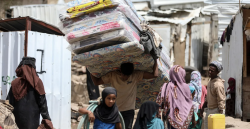
United Nations agencies estimate that well over half of Yemen’s population requires some form of humanitarian assistance, with more than 18 million people in need and roughly 4.5 million internally displaced. Aid organisations have repeatedly warned that funding shortfalls are forcing cuts to food, health and water programmes across the country.
The health sector has been among the hardest hit. The World Health Organization has assessed that only about half of Yemen’s health facilities remain fully functional, and the country has faced recurrent outbreaks of cholera and measles alongside persistently high rates of child malnutrition. Yemen’s government therefore views the rebuilding of basic services as inseparable from wider recovery efforts.
During the meeting, Bahumaid also expressed appreciation for the role of Malaysian humanitarian organisations, which have delivered relief and medical support to Yemeni communities over the course of the crisis. Malaysian non-governmental organisations have a long record of medical relief work in conflict and disaster zones, and their engagement in Yemen has helped sustain services that state institutions can no longer provide alone.
Digital health emerged as a particular point of interest in the talks, and for understandable reasons. With large parts of Yemen difficult to reach because of insecurity and damaged infrastructure, telemedicine and digital record systems could extend the reach of scarce specialists and improve coordination among providers. Malaysia’s recent investment in digitalising its own health system gives it practical experience that Yemeni officials hope to draw upon.
The pharmaceutical sector offers another avenue for cooperation. Malaysia has a developed generic drug manufacturing industry, and Yemeni officials have long sought more reliable and affordable supplies of essential medicines, which import constraints and currency depreciation frequently make scarce or expensive in local markets.
Both officials stressed the importance of continued coordination to turn the discussion into practical and implementable programmes, according to Saba. They agreed that sustained engagement would be needed to ensure cooperation supports Yemen’s efforts to rehabilitate and develop its health sector rather than remaining at the level of general intentions.
The meeting also reflects a broader bilateral relationship that extends beyond health. Malaysia hosts a sizeable Yemeni community, including students enrolled in Malaysian universities, and educational and academic exchanges have continued through the years of conflict, giving the two countries an established human foundation on which new cooperation can build.
Health diplomacy of this kind has become an increasingly common way for Yemen’s internationally recognised government to secure targeted support outside large multilateral appeals. In recent months Yemeni ministers and envoys have pursued similar sector-specific discussions with partners in Europe, the Gulf and Asia, seeking agreements narrow enough to be implemented despite the country’s political fragmentation, yet substantial enough to keep essential services running while broader peace efforts continue under United Nations auspices.
If the initiatives discussed on Monday move forward, they would represent a modest but concrete contribution to rebuilding one of the most damaged parts of Yemen’s public infrastructure. For a health system stretched between emergency response and long-term reconstruction, partnerships that deliver training, technology and medicines could make a measurable difference to the services ordinary Yemenis can reach.
About the Author