Yemen Backs Saudi Arabia’s Right to Defend Its Oil Facilities After Drone Attacks From Iraq
 Yemen Herald News
Yemen’s internationally recognised government has publicly endorsed Saudi Arabia’s right to strike back at the sources of a wave of drone attacks on its oil installations, saying the Kingdom is entitled under the United Nations Charter and international law to take all necessary measures to protect its territory, its citizens and its national resources.
In a statement issued on Wednesday, the Ministry of Foreign Affairs and Expatriates said Saudi Arabia had every right to deter aggression that threatens its security and stability. The ministry also praised what it described as Riyadh’s coordinated approach to self-defence alongside international partners, calling it a responsible effort to safeguard international peace and security rather than a step towards escalation.
The statement followed two days of drone attacks that Saudi Arabia blamed on Iran-aligned militias operating from Iraqi territory. The Saudi Ministry of Defence said its air defences intercepted and destroyed several drones that had attempted to hit petroleum facilities in the Eastern Province and the Riyadh region, and Riyadh said publicly that it reserved the right to respond.
Early on Wednesday the Saudi defence ministry announced that it had struck targets belonging to Iran-backed groups inside Iraq, in an operation carried out jointly with United States forces. The ministry said the Kingdom was not seeking escalation but would answer aggression. The raids reportedly hit logistics and weapons sites across eastern Iraq and followed more than 30 drone attacks in the preceding 72 hours. Iraq’s Popular Mobilisation Forces said at least 20 of its members were killed and 32 wounded, and Iraqi armed factions called the strikes a dangerous escalation.
Saudi Arabia had until then largely avoided being pulled directly into the fighting between the United States and Iran, so flying alongside American aircraft over Iraq marked a notable shift in the Kingdom’s posture.
Yemen’s foreign ministry framed the drone launches as one element in a wider pattern of behaviour by Iranian proxies across the region. According to the statement, armed groups operating outside state control are being used to destabilise neighbouring countries, threaten civilian infrastructure and undermine regional and international security alike. Those are the Yemeni government’s characterisations, and Iran has generally denied directing attacks carried out by groups allied to it.
The ministry argued that Yemen’s own recent history illustrates the cost of allowing national institutions to be hollowed out, and said a durable answer lies in deterring militias that pursue cross-border agendas. It reaffirmed what it called Yemen’s full solidarity with Saudi Arabia in the face of threats to the Kingdom’s security, sovereignty and stability.
That position is striking because of where the pressure on Saudi Arabia is now coming from. Alongside the launches attributed to Iraqi militias, Yemen’s Houthi movement, which controls Sanaa and much of the north, has claimed its own drone and missile strikes on Saudi oil infrastructure along the Red Sea coast, including facilities at Yanbu and Jizan, and said it had hit two Saudi oil tankers. The government based in Aden is therefore backing Riyadh against attacks that a rival Yemeni authority is claiming as its own.
The Houthis declared a maritime blockade of Saudi Arabia on 20 July, a move that has unsettled traffic through one of the world’s most sensitive shipping corridors. Several vessels changed course to avoid transiting the Bab al-Mandab Strait, the narrow gateway between the Red Sea and the Gulf of Aden, and Reuters has reported that the group is weighing fees on commercial ships that pass through it.
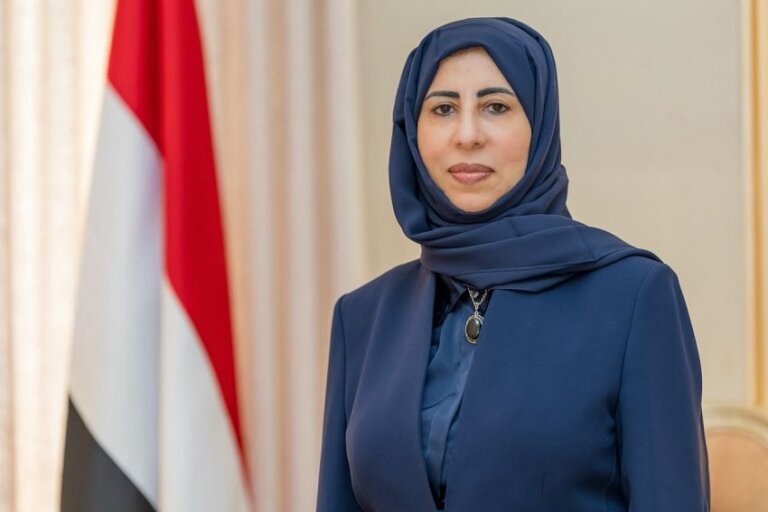
The exchanges land during a period of change in Yemeni diplomacy. A presidential decree issued on 23 July by Rashad al-Alimi, chairman of the Presidential Leadership Council, appointed Afrah al-Zouba as minister of foreign affairs and expatriates, making her the first woman to hold the post in Yemen’s history. She was sworn in this week, and the ministry’s positions on Saudi Arabia are among the first major statements issued under her tenure.
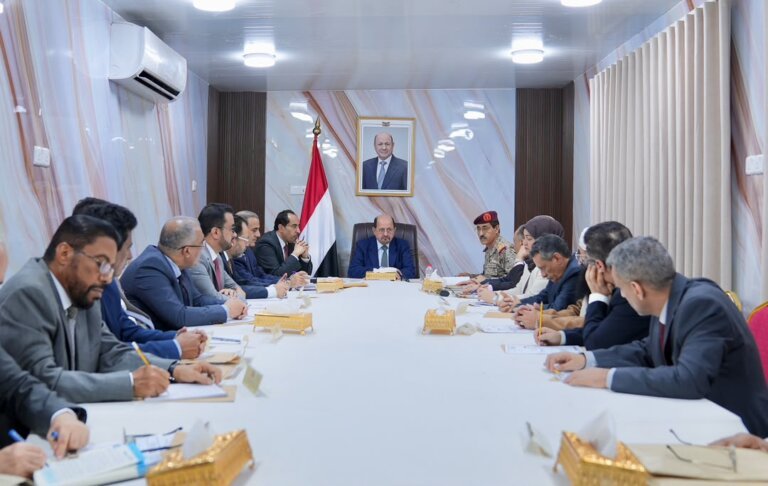
Ties between the two capitals run deep. Saudi Arabia has been the principal external backer of the recognised Yemeni government since 2015, Yemen’s newly reshuffled cabinet took the oath of office before the chairman of the Presidential Leadership Council in Riyadh this month, and a republican decree issued this week named Salem Saleh bin Braik as Yemen’s ambassador extraordinary and plenipotentiary to the Kingdom.
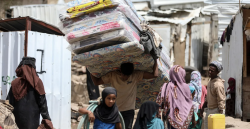
Behind the diplomacy sits a humanitarian emergency that has only deepened. United Nations planning figures for 2026 estimate that 22.3 million people in Yemen, more than two-thirds of the population, need humanitarian assistance and protection services. That total includes 5.2 million people displaced inside the country, while 18.3 million are acutely food insecure and a number of districts have slipped from crisis into emergency levels of hunger.
Aid agencies have asked for 2.16 billion dollars this year to reach 12 million people, with 9.4 million prioritised for targeted assistance according to the severity of their needs.
Yemen’s foreign ministry closed its statement with an appeal for international action, urging the United Nations Security Council to adopt a firmer position on what it called Iran’s destabilising activities and to hold to account those who finance and arm militias. It also pressed for arrangements that would stop any country’s territory from being used as a launch pad for attacks on another state, a principle Yemeni officials have invoked both against the launches from Iraq and against the campaign waged from Yemeni soil.
About the Author