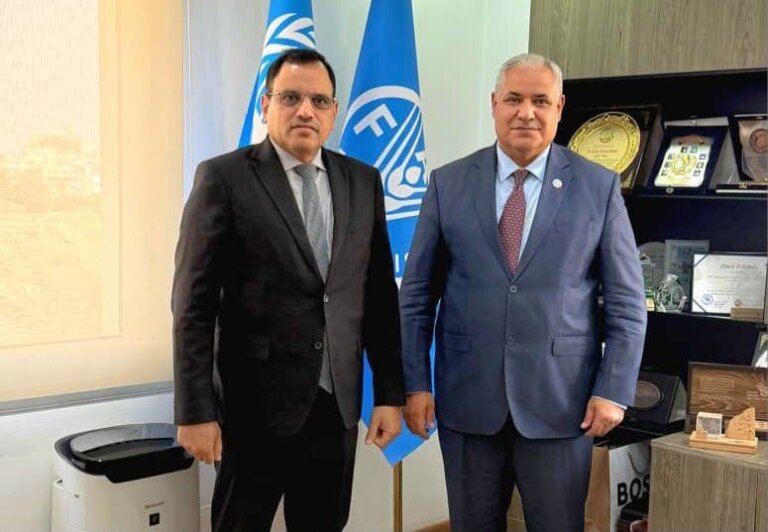
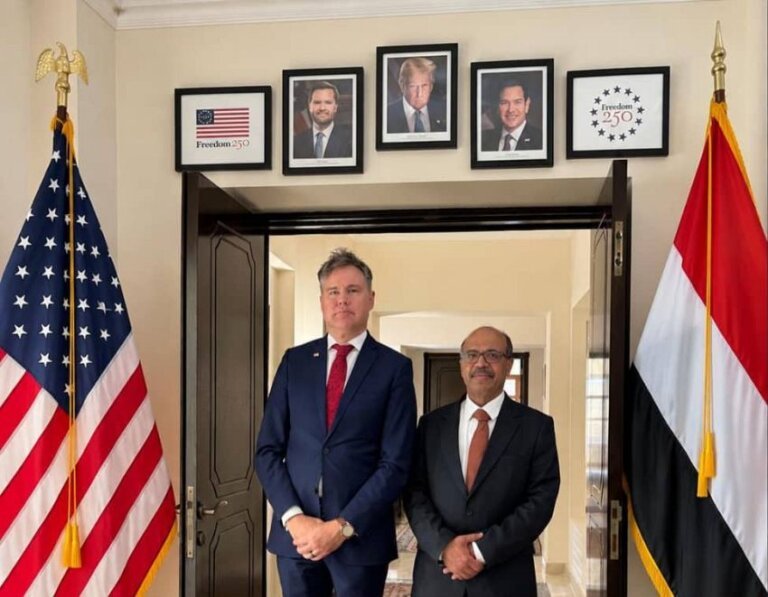
Yemen has secured a seat on the Governing Board of the Pandemic Fund.
 Yemen Herald News
Yemen’s journey as a nation has been tumultuous over the past several years, particularly since the onset of the ongoing civil war in 2015. The conflict, primarily between the Iran-aligned Houthis and the internationally recognized government backed by a Saudi-led coalition, has plunged the country into one of the world’s harshest humanitarian crises. Today, over 18 million people require humanitarian assistance, with approximately 4.5 million internally displaced due to the violence and chaos that have engulfed the nation.
In addition to the ongoing conflict, Yemen has been grappling with recurring outbreaks of diseases such as cholera and measles. These public health emergencies have further strained the already fragile healthcare system, which is consistently challenged to meet the needs of a population facing dire circumstances. As a result, Yemen’s global health status is precarious, influencing perceptions of its capacity to engage in international health leadership roles effectively.
Despite these challenges, Yemen has recently made a remarkable stride on the international stage. The country has been selected to represent the Middle East and Central Asia constituency as a full member of the Governing Board of the Pandemic Fund. This key appointment extends from June 2026 to May 2028, signifying a new chapter in Yemen’s efforts to engage in cooperative international health initiatives.
Yemen’s role in the Pandemic Fund’s Governing Board is significant, reflecting both regional trust and the country’s potential to contribute meaningfully to global health initiatives. This fund is critically tasked with addressing pandemic preparedness, response, and prevention—a responsibility that takes on heightened urgency in the wake of the ongoing global health crises, including the COVID-19 pandemic.
The appointment is a clear endorsement of Yemen’s ability to advocate for the interests of vulnerable nations, particularly those in the Middle East and Central Asia. It speaks to the heightened confidence that other nations demonstrate in Yemen’s capacity to engage constructively within this global framework. The Ministry of Public Health and Population, led by Dr. Qasem Buhaibeh, articulated that Yemen aims to fulfill its new role through collaboration and partnership, emphasizing the importance of mutual consultation.
In this new position, Yemen has the opportunity to ally itself with other nations to push forward health agendas that emphasize security and preparedness against future pandemics. The involvement in the governing board not only allows Yemen to influence policies in line with its interests but also provides a platform for advocating for the needs of countries facing the greatest health vulnerabilities.
The selection of Yemen for a full seat on the Pandemic Fund’s Governing Board involves multiple stakeholders, ranging from the Yemeni government to various international health organizations. At the forefront is Yemen’s Ministry of Public Health and Population, which is critical in shaping the country’s health policies and strategies. Under the leadership of Dr. Buhaibeh, the ministry will play a central role in driving Yemen’s contributions at the global level, focusing on health security and investments in pandemic preparedness.
Additionally, the international community comprises a vital stakeholder group in this context. Countries within the Middle East and Central Asia have demonstrated their support for Yemen’s candidacy, indicating a willingness to collaborate in addressing overarching health challenges. These countries see Yemen as a representative voice for shared health priorities, particularly in advocating for resources and initiatives aimed at the most disadvantaged populations.
Furthermore, global health organizations, including the World Health Organization and various non-governmental organizations, also play a significant role in facilitating communication and supporting initiatives that emerge from Yemen’s participation on the Governing Board. Their expertise and resources are instrumental in bolstering Yemen’s capacity to meet international health responsibilities and objectives.
Yemen’s appointment to the Pandemic Fund’s Governing Board carries significant implications not only for the country but also for the broader region. The trust placed in Yemen suggests potential easing of tensions and a move towards increased collaboration among neighboring countries, which have historically been affected by the fallout from the Yemeni conflict. As Yemen takes a more proactive role in health governance, it may lead to initiatives that foster intergovernmental partnerships in tackling shared health threats.
Moreover, the crisis in Yemen has often overshadowed pressing regional health issues. Given the ongoing humanitarian crisis fueled by conflict, the focus on health security through Yemen’s new role can serve to attract international attention and funding. This is particularly crucial as the nation continues to deal with the ramifications of diseases like cholera and measles that have plagued its population. By advocating for health initiatives tailored to the region’s needs, Yemen can catalyze efforts aimed at improving not only its own health landscape but also that of neighboring countries also affected by similar challenges.
The regional impact could extend towards improving healthcare systems, sharing best practices, and fostering a collaborative spirit. As Yemen engages with this broader community, there exists an opportunity for collective action against future health threats, benefiting both its own citizens and those living in surrounding countries.
Yemen’s new role on the Pandemic Fund’s Governing Board provides an essential avenue for the government in Aden to reshape its international standing. Given the painful legacy of recent years marked by violence and humanitarian challenges, this development serves as a signal that Yemen can fulfill critical international responsibilities despite the dire circumstances at home. Strengthening Yemen’s position on the global health stage represents not only an opportunity for the country to advance its own health policies but also to redefine its narrative in the eyes of the international community.
The active participation in pandemic preparedness initiatives could provide Yemen with much-needed resources and technical assistance. Access to funding for health infrastructure improvements could play a pivotal role in rebuilding the healthcare system, which has been severely eroded since the war’s inception. Investing in health systems will also enhance Yemen’s readiness for potential future health crises, positioning itself as a reliable partner in the global health dialogue.
Furthermore, Yemen’s participation could have far-reaching implications for the broader geopolitical landscape in the region. As Yemen engages more constructively through this platform, there may arise an opportunity for dialogue and cooperation with other nations, providing a potential pathway to normalize relations and address ongoing political tensions. This shift towards collaboration could have ramifications extending beyond health, into political and economic dimensions as well.
Moving forward, Yemen’s Ministry of Public Health and Population must develop a strategic framework for participation in the Pandemic Fund’s activities. This will involve establishing clear priorities and actionable initiatives to address both local and regional health challenges. Collaboration with international health bodies will be crucial in this regard, ensuring that Yemen not only benefits from global expertise but also contributes to shaping effective policies and programs.
In addition, active stakeholder engagement from regional counterparts will be vital to maximize the impact of Yemen’s new role. Forging alliances with other nations represented in the Pandemic Fund will facilitate the exchange of knowledge and resources, enabling Yemen to advocate more effectively for health initiatives that address the most pressing needs in the region.
There will also be a need for Yemen to maintain transparency and proactive communication about its activities on the Governing Board, as this will bolster credibility and enhance regional trust. Demonstrating commitment to achieving health security goals could encourage additional support from international stakeholders, opening doors to funding and partnership opportunities.
Ultimately, Yemen’s appointment to the Governing Board of the Pandemic Fund holds the potential to transform challenges into opportunities. Through measured and collaborative efforts, the nation can work towards improving its public health outcomes and contribute positively to regional health agendas, driving advancements in global health security.
About the Author