Houthi Rebels Launch Sectarian Summer Schooling Campaign in Yemen
 Yemen Herald News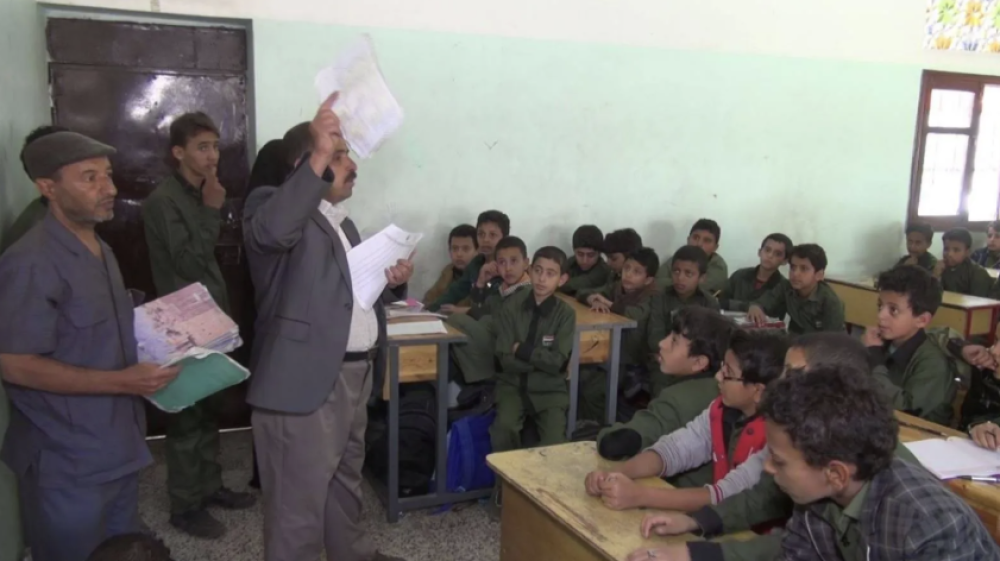
In Ibb governorate, new reports have surfaced about the Houthi authorities enforcing summer courses with a clear sectarian focus in public schools. The militia has issued mandates to school principals, compelling students to participate in these courses to secure a “participation certificate,” which is now a prerequisite for enrollment in the upcoming academic year. This directive reflects the group’s intention to consolidate control and ensure that its ideological narrative is disseminated among the youth.
In recent communications, several schools have alerted parents that failure to comply with these directives could lead to their children being denied access to education altogether. This tactic portrays a growing trend of educational coercion that has raised alarm among families and activists alike. The Houthis have further complicated matters by withholding final exam results from the previous academic year, indicating that students must enroll in the summer courses to receive their results.
Growing Educational Coercion
Despite these efforts, the response from families has been tepid, with many recognizing the potential dangers associated with the indoctrination of their children. Activists and observers have accused the militias of using these courses as a means of ideological manipulation, suggesting that this may signal a broader strategy of coercion in an attempt to ensure participation amid increasing public resistance.
The primary stakeholders in this unfolding situation include the Houthi movement, parents and students in Yemen, local education authorities, and various human rights organizations. The Houthis, as the governing authority in regions they control, are pushing these educational initiatives forward, seeking to instill their sectarian ideology in the younger population. Their heavy-handed measures signal their resolve to maintain influence over educational content and to foster loyalty among future generations.
Parents find themselves in a troubling position, facing the dilemma of adhering to directives issued by the Houthis at the risk of denying their children an education. Many families are becoming increasingly vocal against these measures, concerned about the potential impact on their children’s futures. The situation reflects a larger societal struggle, as citizens grapple with the encroachment of ideology into public life, including education.
Human rights organizations and activists monitoring developments in Yemen have expressed condemnation of the Houthis’ educational policies. They argue that the coercion being utilized to enforce attendance at sectarian summer courses constitutes a form of educational manipulation that threatens to deepen the divisions within Yemeni society. As external parties become more involved, including international observers, the potential for broader implications grows.
The ongoing war in Yemen and the educational policies enacted by the Houthis have ramifications that reach beyond the borders of the country itself. The conflict has drawn in regional powers with vested interests, including Saudi Arabia and Iran, impacting geopolitical dynamics in the Middle East. The Houthis’ approach to education is illustrative of their broader strategy to gain legitimacy and maintain influence amid external interventions, particularly as they garner support from Iranian entities.
As the Houthis intensify efforts to indoctrinate youth through educational reforms, this could lead to a generational shift in Yemen, shaping future political perspectives and alliances. If these policies are successful, they might foster a more radicalized youth that aligns with Houthi ideology, exacerbating existing sectarian divisions within the region and potentially leading to instability in neighboring states.
Impact on Future Generations
Additionally, the international community’s response to these developments will also shape regional dynamics. With reports of forced educational participation and ideological manipulation, external actors may become more engaged, either through condemnation or by facilitating efforts to educate young Yemeni citizens in a more neutral framework. The humanitarian crisis lends urgency to the need for educational reform, but the politicization of schools complicates these efforts.
The measures implemented by the Houthis to enforce participation in sectarian summer courses reveal a troubling intersection of education and ideology in a war-torn society. As traditional educational structures falter under the weight of conflict, the Houthis position themselves as ideological gatekeepers, using schools as platforms for indoctrination. This strategy not only alienates portions of the population but also highlights the militia’s reliance on coercion rather than voluntary participation.
Intersection of Education and Ideology
Moreover, the high stakes of ensuring ideological conformity among youth reflect the Houthis’ broader vulnerabilities amidst a faltering recruitment strategy. Coercion indicates an inability to attract students naturally, showcasing a lack of genuine support for their policies. This reliance on compulsion could ultimately backfire, fostering resentment rather than loyalty toward the Houthi leadership. As families become more aware of these tactics, public resistance is likely to continue growing.
Activists assert that such policies undermine the very fabric of education, which should foster critical thinking and civic engagement. By diverting education toward sectarian indoctrination, the Houthis risk perpetuating a cycle of conflict and division that can have far-reaching consequences for the nation. A generation raised on ideological extremism may contribute to an even more polarized society, hindering future reconciliation efforts.
As the situation evolves, several scenarios could unfold. Families may continue to resist the Houthi directives, leading to increased tensions between parents and local authorities as more students are unwilling to comply. This resistance could instigate a crackdown from the Houthis, potentially leading to further coercive measures aimed at enforcing enrollment in the summer courses.
The international community’s role will be crucial moving forward. Increased scrutiny from foreign governments and NGOs might pressurize the Houthis to moderate their educational policies or at least provide alternative educational opportunities that do not hinge on ideological indoctrination. Depending on how these entities respond, there could be increased attempts at reform in Yemen’s educational sector.
Ultimately, the way this tension resolves will significantly impact Yemen’s social fabric and its journey toward recovery. Should the Houthis continue down this path of coercion, the long-term implications for Yemeni society could be severe, splintering communities and entrenching division. However, if families unite in resistance and seek alternative educational pathways, it may pave the way for more pluralistic approaches to education in the future, one that can better reflect a unified Yemeni identity amidst ongoing strife.
About the Author