
Yemen reaffirms its commitment to the rights of persons with disabilities.
 Yemen Herald News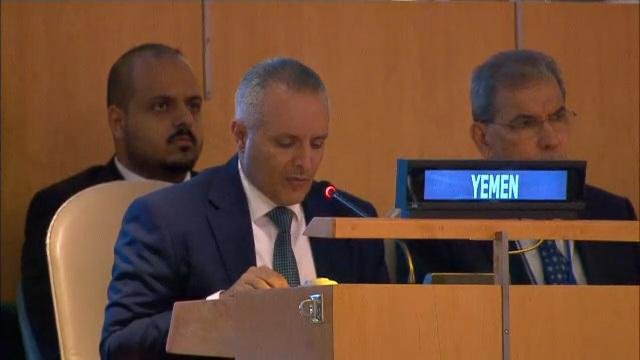
The ongoing conflict in Yemen, which has persisted since 2015, has created a humanitarian crisis of staggering proportions, impacting millions of citizens. The war has stemmed from the rise of the Houthis’ movement and the subsequent intervention by a Saudi-led coalition, comprising several Arab states, with varying degrees of military involvement. The situation has been further complicated by the geopolitical interests of regional powers, notably Iran, which backs the Houthis, contributing to a protracted and devastating conflict.
Yemen has seen an estimated 18 million people require urgent humanitarian assistance as basic services collapse under the strain of war. Among these individuals are approximately 4.5 million internally displaced persons who have fled their homes in search of safety. The human cost of this conflict is further compounded by recurring outbreaks of diseases such as cholera and measles, which thrive in an environment where public health infrastructure has been severely weakened.
Amid these dire conditions, the internationally recognized government, which operates primarily from Aden, has advocated for the rights and dignity of all citizens, including the most vulnerable groups such as persons with disabilities. The Republic of Yemen is thus making strides to align its national policies with international standards outlined in various human rights conventions, despite the ongoing violence and instability.
During the 19th Session of the Conference of States Parties to the Convention on the Rights of Persons with Disabilities, Yemen’s Minister of Social Affairs and Labor, Mukhtar al-Yafaei, addressed the international community to reaffirm Yemen’s commitment to ensuring the rights of individuals with disabilities. His speech emphasized the necessity for global cooperation to foster an inclusive society where every person can exercise their rights without facing discrimination or social stigma.
The Yemeni government recognizes the immense difficulties confronting persons with disabilities, particularly in light of the ongoing civil conflict, which has exacerbated their vulnerabilities. The Minister highlighted the government’s ongoing efforts to promote the rights and well-being of marginalized populations, noting that these initiatives are not merely an undertaking of goodwill but a legal and moral obligation owed to these citizens.
Al-Yafaei’s address also shed light on the urgent need for sustained international support, particularly for countries like Yemen that are grappling with the dual challenge of war and humanitarian crises. The situation in Yemen necessitates strengthened international partnerships to ensure that persons with disabilities receive the protection and assistance they require to live dignified lives, free from neglect and discrimination.
The primary stakeholders in this effort encompass the Yemeni government, international organizations, non-governmental organizations (NGOs), and affected communities themselves, particularly those with disabilities. The Yemeni government serves as the critical link in implementing policies that protect and promote the rights of this vulnerable group. However, it must navigate the challenges posed by the ongoing conflict while trying to build frameworks that support disability rights.
International organizations such as the United Nations play a pivotal role in facilitating dialogue and coordinating efforts to provide aid and advocacy for persons with disabilities in Yemen. These organizations can help leverage resources to create programs that directly support the needs of people with disabilities, pushing for legislative changes that align with the Convention on the Rights of Persons with Disabilities.
NGOs are also vital in this context as they often work on the ground to deliver much-needed services, support, and awareness campaigns. Their unique insights and grassroots connection to affected communities allow them to be effective advocates for the rights of persons with disabilities, ensuring that their voices are heard and their needs addressed in humanitarian responses.
Moreover, communities composed of persons with disabilities themselves are essential stakeholders. Their lived experiences and perspectives must be integrated into policymaking processes to ensure that initiatives are genuinely responsive to their needs. Engaging these communities not only fosters inclusivity but also empowers them as active participants in shaping their futures.
The plight of persons with disabilities in Yemen is indicative of broader regional challenges faced by vulnerable populations in conflict zones. Countries in the Middle East and North Africa are often affected by similar types of unrest, resulting in populations that are disproportionately impacted by humanitarian crises. As such, the case of Yemen can serve as a benchmark for formulating regional strategies around disability rights in crisis-affected areas.
The humanitarian crisis in Yemen has already strained neighboring countries and international borders, as millions of displaced individuals seek refuge. The need for robust support systems for persons with disabilities is crucial in ensuring that these individuals receive the necessary assistance, thereby lessening the burden on host communities and maintaining social stability within the region.
Civil society actors and regional coalitions face the challenge of addressing the complex interrelationships between disability advocacy, humanitarian assistance, and conflict resolution. Collaborative efforts that extend beyond national borders may help foster innovative solutions, including shared resources and best practices, which can catalyze change across the region.
Moreover, the ongoing Houthi-Saudi conflict and the broader geopolitical interests within the region cast a shadow over the success of humanitarian initiatives. International involvement and attention to the rights of vulnerable populations like persons with disabilities can serve as a potential avenue for diplomatic engagement, contributing to broader peace efforts.
The Yemen government’s recent reaffirmation of its commitment towards the rights of persons with disabilities can be analyzed through the lens of international humanitarian law and human rights standards. While the statement made by Minister al-Yafaei signifies a progressive step, actual implementation is fraught with difficulties due to war, limited resources, and the overall dire humanitarian situation.
Despite the numerous challenges, reaffirming commitment at international platforms such as the Conference of States Parties is crucial for visibility and accountability. It sets a precedent for a legal framework that must be adhered to, even amidst conflict. Such platforms provide an opportunity for Yemen to demonstrate its adherence to international norms, even while efforts to translate these commitments into effective policies on the ground may lag behind.
Furthermore, the problems faced by persons with disabilities in Yemen are not unique; they are reflective of systemic issues within countries that are frequently embroiled in conflict. Global awareness can lead the international community to recognize the need for a shift in how humanitarian aid is distributed, ensuring that marginalized groups receive the support they need and are not left behind in larger humanitarian efforts.
Finally, international and local partnerships will be crucial if meaningful progress is to be achieved. The Yemeni government will require extensive support from international entities to bolster its initiatives aimed at protecting the rights of persons with disabilities. Advocacy at the international level, coupled with grassroots support mechanisms, can pave the way for a safer, more inclusive environment for all Yemenis, regardless of their circumstances.
The immediate path forward for Yemen’s commitment to the rights of persons with disabilities will depend heavily on both international and domestic factors. While the Yemeni government has made strides in affirming its commitments, the ongoing conflict continues to be a significant barrier to effective policy implementation.
Stakeholders must prioritize collaborative frameworks that amplify the voices of persons with disabilities. This requires not only engaging these communities in dialogue but also ensuring that their specific needs are met through targeted programs and services. If their rights are not central to the humanitarian response, efforts to create an inclusive society will suffer setbacks.
In the coming months, the international community will play a crucial role in determining the extent of support available for Yemen. Constructive partnerships, providing financial aid and technical expertise, can foster resilience among vulnerable populations. Enhanced cooperation and coordination among international organizations, NGOs, and local agencies will be vital in creating an environment that enables effective advocacy for disabled persons.
Ultimately, the success of initiatives aimed at supporting persons with disabilities in Yemen will depend on sustained international attention and a collective commitment to inclusive development. Continued dialogue at international forums, alongside local advocacy, can help create a future where people with disabilities experience full participation in society, free from discrimination and societal barriers.
About the Author




