Yemen Tells UN Rights Council Houthi Militia Threatens Regional Security
 Yemen Herald News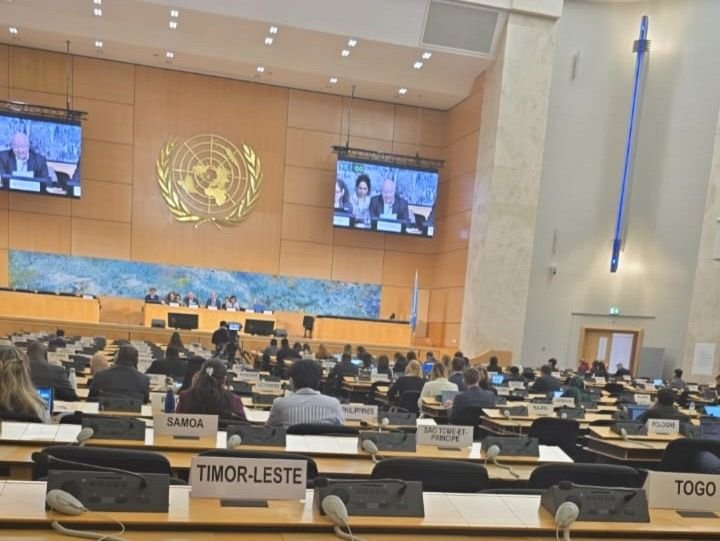
Yemen’s internationally recognised government has warned that the Iran-aligned Houthi movement poses a direct threat to regional peace and security, describing the group as a force that undermines the country’s sovereignty and stability. The government asserts that the movement works to disrupt essential services and to obstruct the delivery of humanitarian assistance to those in need, deepening the suffering of ordinary Yemenis.
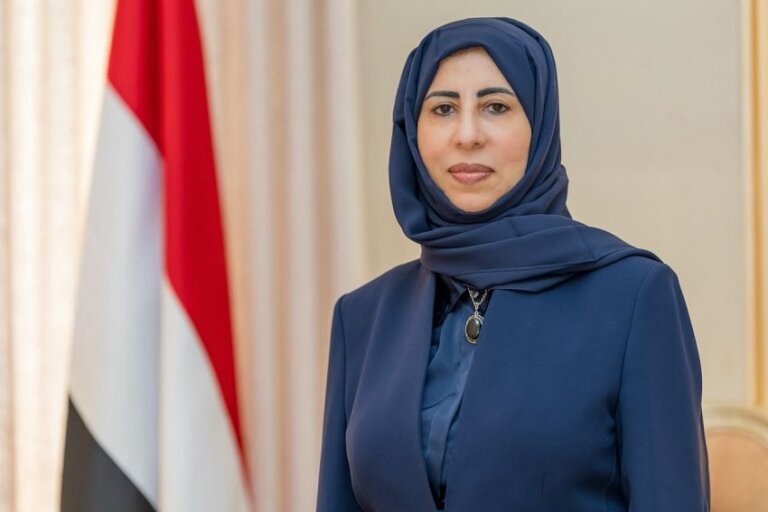
The warning was delivered at a recent session of the United Nations Human Rights Council, where the Deputy Minister of Human Rights, Nabil Abdulhafeez, presented a statement outlining the government’s position. He emphasised Yemen’s commitment to working with regional and international partners to strengthen security, stability and human rights both within the country and across the wider region.
In his address, Abdulhafeez expressed support for a statement made by the Arab Group condemning the actions of the Houthi movement, aligning Yemen’s position with that of the broader Arab bloc. He detailed a range of serious violations that the government attributes to the group, including indiscriminate killings, torture, the forced recruitment of children and attacks on civilians.
The forum in which these concerns were raised is significant. The United Nations Human Rights Council, based in Geneva, is the principal international body responsible for the promotion and protection of human rights, and statements made before it carry weight in shaping international awareness and debate on the human rights situations of member states.
The allegations of grave abuses reflect concerns that have been raised by a range of actors regarding the conduct of the conflict in Yemen. Human rights organisations and United Nations bodies have documented violations by various parties over the course of the war, and the recruitment and use of children by armed groups, in particular, has been a subject of international concern and reporting.
The forced recruitment of children is among the most serious of the violations cited. The use of children in armed conflict is prohibited under international law and has devastating consequences for the young people involved, robbing them of their childhoods and exposing them to grave harm. Concerns about this practice have featured prominently in reporting on Yemen’s conflict.
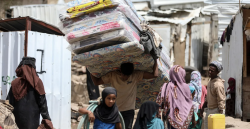
The government’s emphasis on the obstruction of humanitarian assistance highlights another dimension of the crisis. Impediments to the delivery of aid, whatever their source, can have severe consequences in a country where millions depend on assistance for survival. Ensuring humanitarian access has been a persistent challenge and a recurring concern of aid organisations operating in Yemen.
The framing of the Houthi movement as a threat to regional as well as national security reflects the government’s view of the group’s role in the broader regional context. The movement’s actions, including attacks associated with it, have implications that extend beyond Yemen’s borders, and the government has sought to draw international attention to these wider dimensions.
The characterisation of the group as undermining sovereignty and stability aligns with the government’s broader narrative regarding the conflict. From the perspective of the internationally recognised authorities, the Houthi movement’s control of large parts of the country, including the capital, represents a fundamental challenge to the legitimate order and to the unity and integrity of the state.
The disruption of essential services, cited by the government, points to the impact of the conflict on the daily lives of Yemenis. The breakdown of services such as electricity, water and healthcare has been among the most keenly felt consequences of the war, and the government attributes much of this deterioration to the actions of the Houthi movement.
Yemen’s engagement with the Human Rights Council reflects an effort to use international forums to advance its positions and to draw attention to the human rights dimensions of the conflict. Raising concerns before such bodies is part of the government’s diplomatic strategy, aimed at mobilising international support and highlighting the abuses it attributes to its adversary.
The support expressed for the Arab Group’s statement underscores the regional dimension of the government’s diplomacy. Aligning with the broader Arab position lends weight to Yemen’s stance and situates its concerns within a wider regional consensus, reinforcing the government’s efforts to build support for its position on the international stage.
The human rights situation in Yemen remains a matter of grave international concern, with the conflict having produced widespread suffering and documented violations. The war has generated one of the world’s most severe humanitarian crises, and the protection of civilians and the accountability for abuses remain pressing issues for the international community.
The government’s commitment to cooperating with partners on human rights, expressed by Abdulhafeez, reflects an awareness of the importance of these issues to Yemen’s international standing and to the wellbeing of its people. Engagement with international mechanisms and partners forms part of the broader effort to address the human rights challenges facing the country.
Statements of this kind also form part of a longer contest over the international narrative surrounding Yemen’s war, in which the parties compete to shape perceptions of responsibility for the country’s suffering. Independent monitors have documented violations by multiple sides over the years, and the government’s appearance before the council reflects its effort to ensure that the abuses it attributes to the Houthi movement remain firmly in the international spotlight as diplomacy over the conflict continues.
For now, the statement before the Human Rights Council reaffirmed the government’s condemnation of the Houthi movement and its determination to highlight the abuses it attributes to the group. As Yemen’s conflict continues, the human rights dimension remains central to international engagement with the crisis and to the government’s efforts to advance its cause.
About the Author