Flash Floods in Yemen’s Dhamar Kill Three Women; Four Survive
 Yemen Herald News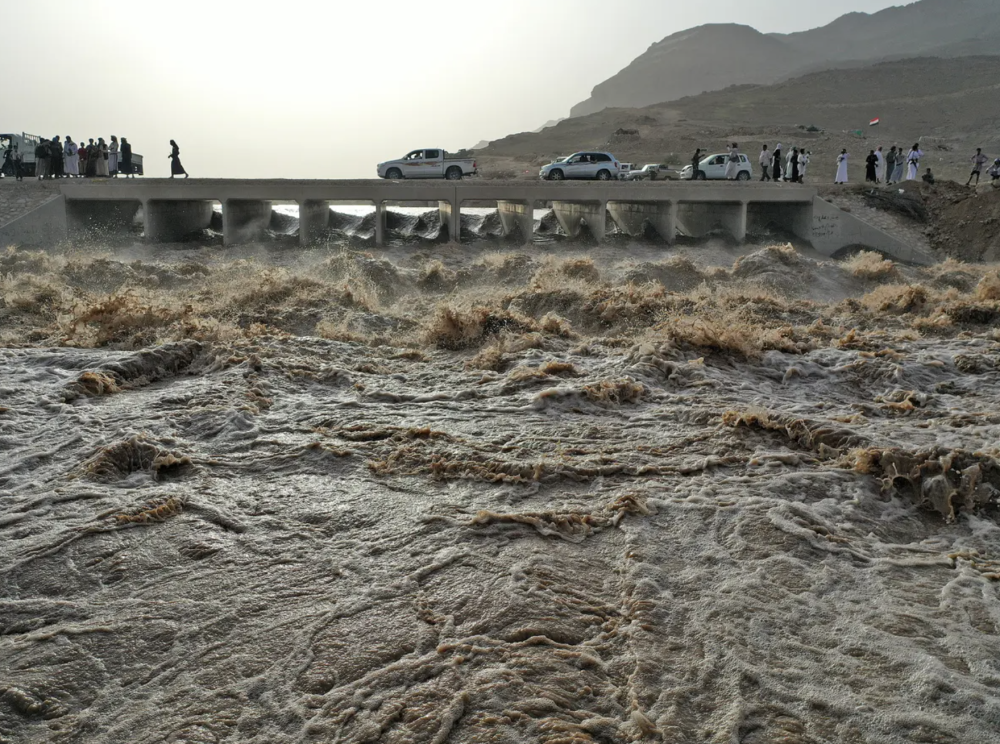
Yemen has been engulfed in a devastating civil war since 2015, pitting the internationally recognized government, supported by a Saudi-led coalition, against the Houthis, who control large portions of the country, including the capital, Sana’a. This protracted conflict has exacerbated an already dire humanitarian situation. Over 18 million people in Yemen need urgent assistance, with more than 4.5 million individuals displaced from their homes. Basic services such as healthcare and clean water have collapsed due to the destruction of infrastructure, and the country continues to grapple with recurring outbreaks of diseases such as cholera and measles, further complicating the crisis.
The geographical context of Yemen also plays a significant role in its vulnerability to natural disasters. The nation’s highlands, particularly areas like the Dhamar Governorate, are prone to seasonal rains that can lead to severe flooding and landslides. These weather patterns pose an ongoing threat to rural communities, which are often inadequately equipped to respond to such calamities. Sadly, events like flash floods serve as grim indicators of the increasingly precarious situation that many citizens face amid both the conflict and the natural environment.
Yemen's Vulnerability to Disasters
The recent tragedy in al-Maqrana village, where flash floods resulted in the loss of three women’s lives, shines a spotlight on the seasonal risks associated with Yemen’s rainy season. These incidents not only claim lives but also pose a formidable challenge to humanitarian workers and local authorities already stretched thin by the ongoing conflict. The interplay between natural disasters and the humanitarian crisis significantly affects the resilience of communities, illustrating how intertwined environmental and sociopolitical factors are in Yemen.
On Sunday, a flash flood devastated the village of al-Maqrana in the Atma District of the Dhamar Governorate, resulting in the tragic deaths of three women, while four others were rescued. Local accounts indicate that the floods followed heavy rains that inundated the area without warning, catching residents off guard. The rapid onset of the rising waters created an environment of chaos and panic, as villagers struggled to cope with the overwhelming force of the floodwaters.
Flash Flood Tragedy
Witnesses described harrowing scenes where several villagers attempted to flee as the torrents surged through their homes and fields. The local community responded admirably by organizing rescue operations, managing to save four women from drowning, highlighting both the camaraderie and resourcefulness of the villagers in the face of adversity. Unfortunately, despite their best efforts, the lives lost serve as a somber reminder of the threats posed by seasonal flooding in rural areas.
Humanitarian workers have underscored that this incident is emblematic of the ongoing risks that rural communities in Yemen face, particularly during the rainy season. The combination of heavy rainfall and poorly managed infrastructure significantly heightens the danger of flooding and landslides. As a result of such events, physical and emotional scars extend beyond the individuals directly affected, impacting entire communities and their long-term recovery.
Ongoing Humanitarian Risks
Multiple stakeholders are involved in addressing the humanitarian consequences of incidents like the flooding in al-Maqrana. First and foremost, local village residents are often the first responders to emergencies, relying on their knowledge of the terrain and community ties to execute effective rescue operations. Their actions during the floods not only saved lives but also demonstrated their resilience amidst the chaos of both environmental and man-made crises.
On a broader level, humanitarian organizations play a crucial role in assessing damages, coordinating relief efforts, and providing support to affected communities. These groups, while often hindered by the ongoing civil war and associated dangers, focus on offering essentials such as food, medical care, and shelter to those impacted by disasters. They also seek to empower communities to better prepare and respond to subsequent natural disasters, emphasizing the need for sustainable and systemic solutions.
Role of Humanitarian Organizations
The Yemeni government, along with international bodies, also has a stake in mitigating the humanitarian crisis exacerbated by natural disasters. Although the government retains limited control in many areas due to ongoing conflict, establishing effective communication and infrastructure is vital to improving disaster response capabilities. Furthermore, international partners, including the United Nations and various NGOs, focus on advocating for aid and creating frameworks to address the pressing needs within affected regions.
The flooding in Dhamar is a microcosm of the larger humanitarian challenges faced across Yemen. The ramifications of such disasters often extend beyond immediate losses and have far-reaching effects on regional stability and security. As rural communities struggle to cope with the aftermath of flooding, the potential for increased social unrest can lead to demographic shifts. With families desperate to relocate to safer areas, this movement can add strain on urban centers, which are already overwhelmed due to the ongoing conflict.
Additionally, the intersecting issues of natural disasters and the civil war present significant challenges for aid organizations aiming to deliver necessary resources. Access to certain regions may be further impeded by both environmental damage and ongoing conflicts, leaving vulnerable populations without adequate assistance. This compounds the existing health and food insecurity already present in many parts of the country, further destabilizing the region.
The flooding, alongside the broader natural disaster spectrum, is increasingly viewed through the lens of climate change. Experts warn that as global climate patterns change, Yemen will likely face more frequent and intense weather events, exacerbating the already dire humanitarian situation. Understanding and adapting to these patterns is critical for both regional governance and international support efforts.
Impact of Climate Change
The recent flash floods in al-Maqrana highlight a crucial turning point in Yemen’s ongoing humanitarian crisis; natural disasters are increasingly intertwining with existing vulnerabilities in the face of socio-political turmoil. While local communities displayed remarkable resilience and resourcefulness in response to the flooding, the sheer scale of these disasters underscores the urgent need for comprehensive disaster management strategies.
Moreover, the incident emphasizes the necessity for policies that address climate resilience, particularly in rural areas. Strengthening infrastructure, enhancing community preparedness, and increasing awareness of flood risks are paramount to preventing future tragedies. The current state of disarray, both from climate impacts and ongoing conflict, requires collective action from local leaders, the national government, and international partners to implement effective strategies that can safeguard lives and livelihoods.
The humanitarian response mechanism in Yemen must adapt to the challenges posed by natural disasters and evolving environmental conditions. This adaptation should focus on creating sustainable models that not only address immediate needs but also build long-term resilience in communities. A multifaceted approach will be essential to ensure that vulnerable populations can withstand future crises, whether they be climate-related or rooted in the ongoing conflict.
In the aftermath of the devastating floods, immediate steps must be taken to provide aid and support to the impacted villagers in al-Maqrana. Humanitarian organizations will likely focus on delivering necessary supplies such as food, clean water, and medical assistance to those affected by the disaster. Beyond the immediate response, efforts to assist in rebuilding the community will also be vital to restoring normalcy.
Long-term strategies should be prioritized to address both the immediate and ongoing environmental threats that threaten rural communities. Investments in infrastructure, including improved drainage systems and early warning systems for severe weather, can mitigate the impact of future flooding. Training programs should focus on empowering residents to prepare for and respond to emergencies more effectively.
Finally, there is a pressing need for dialogue and coordination between local communities, the national government, and international partners. Establishing collaborative frameworks will ensure that responses to disasters are informed, effective, and equitable, thereby enhancing the overall resilience of Yemeni society. Moving forward, the convergence of humanitarian efforts with environmental strategies will play a critical role in combating the dual threats posed by conflict and climate-related disasters.
About the Author