Floods Cause Significant Losses, Prompt Urgent Response in Yemen
 Yemen Herald News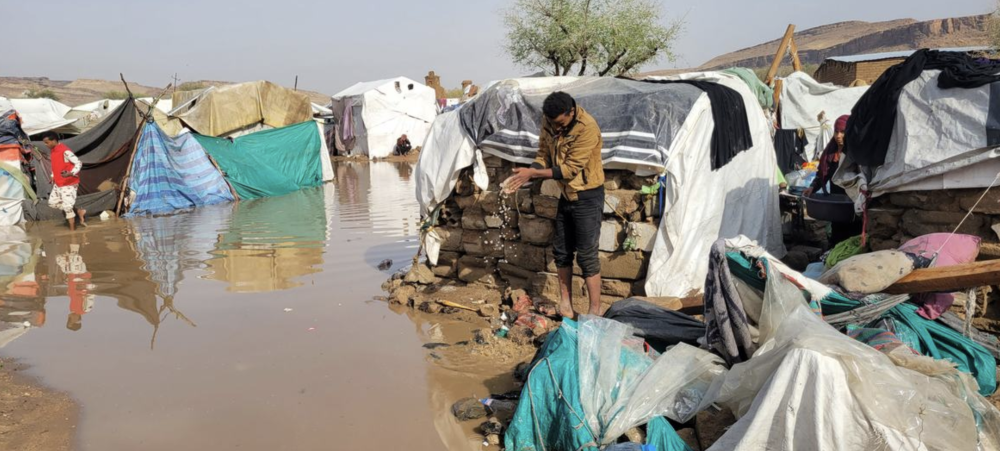
Yemen is currently facing one of the worst humanitarian crises in the world, a situation exacerbated by the ongoing civil war that began in 2015. The conflict, primarily between the Houthis and the Saudi-led coalition, has devastated the nation’s infrastructure and economy, rendering millions dependent on humanitarian aid. With over 18 million people requiring some form of assistance, the ongoing violence has caused immense suffering and displacement, resulting in approximately 4.5 million internally displaced persons (IDPs). The humanitarian landscape continues to deteriorate, with weather-related disasters compounding the already dire situation.
As the rainy season commenced, the country experienced severe flooding that has added to Yemen’s struggles. The relentless rains have not only led to loss of life but have also significantly damaged critical infrastructures such as power grids, water supply systems, and transportation networks. With a fragile healthcare system already overwhelmed by outbreaks of diseases like cholera and measles, the floods stand to worsen the public health crisis further. The seasonal rains, which could bring relief in agricultural terms, have turned into vehicles of destruction, highlighting the vulnerability of a nation in turmoil.
Severe Flooding Impact
The geographical position of Yemen near the strategic Bab al-Mandab Strait has long made the region a focal point for geopolitical interests. The influence of Iran through its support of the Houthis, alongside the involvement of the UAE and Saudi Arabia, complicates the internal and external dynamics of the conflict. While attempts at peace and stability have been made, the persistence of violence and natural disasters underscores the fragility of these efforts and the humanitarian challenges that lie ahead.
The recent flooding has inflicted catastrophic damage across various parts of Yemen. Reports indicate that at least 37 lives were lost, and 47 individuals were injured due to the floods, which particularly devastated several regions prone to heavy rainfall. The natural disaster has damaged nearly 3,990 homes, with around 8,700 shelters designated for internally displaced individuals destroyed. The substantial property damage is compounded by the loss of crops and livestock, critical to many families’ livelihoods, amplifying the humanitarian crisis in the region.
In response to this unfolding disaster, the International Federation of Red Cross and Red Crescent Societies has initiated an emergency operation aimed at providing relief to over 24,000 people severely impacted by the floods. This six-month intervention is geared towards delivering essential life-saving support, such as food, access to clean water, and sanitation services, particularly in the most affected areas. The operation will also include the distribution of essential household items such as mattresses, blankets, and kitchen sets, aimed at bolstering the lives of those who have lost nearly everything.
Emergency Response Initiatives
The flooding has not only wreaked havoc on physical infrastructure but has also brought to light the desperate state of emergency services in Yemen. The Yemen Red Crescent reported that numerous regions experienced overwhelming rainfall, leading to flash floods. With the post-disaster assessments highlighting the extensive destruction inflicted on communal facilities and private properties alike, thousands of families have been rendered homeless and stripped of necessities. In the context of a nation already grappling with severe poverty and widespread displacement, the recent flooding poses a significant setback for recovery efforts.
Several key stakeholders are involved in any potential solutions to the ongoing humanitarian crisis resulting from the floods. Foremost among them is the International Federation of Red Cross and Red Crescent Societies, which has launched an emergency aid initiative to assist the population affected by the recent disaster. Alongside this organization are numerous other non-governmental organizations and humanitarian groups actively engaged in providing relief, aiding in the distribution of essential supplies, and facilitating the rebuilding of communities.
Key Stakeholders Involved
Additionally, the Yemen Red Crescent plays a vital role in both emergency response and ongoing support for affected populations. This local entity is critical for delivering timely assistance and conducting assessments that inform the response strategy of international organizations and other players in the humanitarian field. Their knowledge of local contexts and existing challenges is invaluable for addressing the needs of communities impacted by the floods and the ongoing conflict.
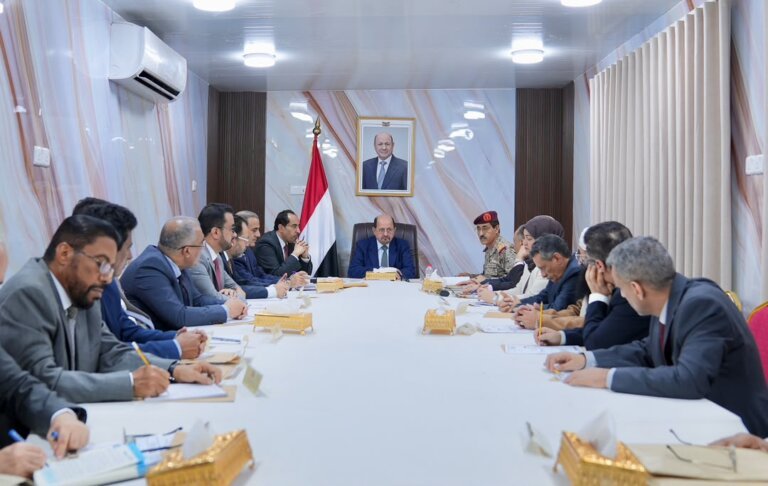
On the political front, the internationally recognized government, operating from Aden under the Presidential Leadership Council, remains a significant player in shaping the national response to disasters and humanitarian crises. The council must balance governance amidst ongoing tensions with Houthi forces, complicating efforts to mobilize assistance and ensure effective coordination among various relief efforts. The fragmented nature of the political landscape in Yemen poses additional hurdles to efficient disaster management and recovery planning.
The flooding in Yemen resonates beyond its national borders, reflecting broader regional vulnerabilities in the face of climate change and conflict. The unprecedented natural disaster serves as a reminder of how intertwined human health, environmental well-being, and political stability are in the region. Neighboring nations and international stakeholders must consider the implications of such disasters, as they can lead to increased migration, outflow of refugees, and potentially exacerbate existing conflicts.
Moreover, the geopolitical dynamics surrounding the Bab al-Mandab strait underscore Yemen’s significance to global trade and security. Disruptions caused by internal conflicts and humanitarian crises in Yemen have ripple effects on maritime security, notably with concerns over piracy and the stability of shipping routes. Increased desperation among Yemenis due to inflated humanitarian crises could lead to heightened regional tensions if livelihood-sustaining efforts fail to materialize.
Geopolitical Implications
Humanitarian agencies are urging the international community to pay closer attention to Yemen’s situation, recognizing that without significant investment in disaster resilience and response mechanisms, individuals will continue to face hazardous living conditions and vulnerability to recurrent disasters. The regional implications also extend to economic stability, as disrupted food supplies and agricultural production in Yemen affect markets across the Arabian Peninsula and beyond.
The devastating floods that struck Yemen at the onset of the rainy season serve as a stark reminder of the country’s compounded vulnerabilities. Years of protracted conflict have severely strained resources and infrastructure, rendering many communities ill-equipped to handle disasters of this magnitude. As a nation attempting to respond to conflicts, access basic health services, and maintain fundamental civic functions, the onset of flooding only exacerbates an already fragile situation.
Vulnerabilities Exposed
The lack of effective preventative measures and the concentration of humanitarian funding often only reinforce short-term responses, failing to address the need for robust and longitudinal planning. Sustainable approaches must focus not just on disaster relief but also on integrating climate adaptation strategies into development planning. Given the cyclical nature of disasters in Yemen, a shift towards resilient infrastructure projects and community capacity building is essential to mitigate the impacts of future flooding and other natural disasters.
In a larger context, Yemen’s situation highlights the global need for a collaborative response to climate change’s impacts, particularly in conflict-ridden areas. The underestimated correlation between climate events, conflict, and humanitarian needs should prompt a rethinking of assistance frameworks and lead to cohesive strategies that encompass disaster risk reduction, peacebuilding, and environmental protection efforts. Without such integrated approaches, Yemen may find itself in a cycle of suffering exacerbated by natural disasters and ongoing violence.
In the wake of the devastating floods, immediate humanitarian responses will be crucial in alleviating the suffering of affected populations. Organizations like the International Federation of Red Cross and Red Crescent Societies are poised to begin distributions of essential items, providing critical support to those impacted. Communities will need to focus on restoring basic services and rebuilding infrastructure to ensure that all those affected receive adequate care and support.
Long-term solutions must take precedence following the initial emergency response. This entails not only rebuilding homes and infrastructure but also fortifying communities against future environmental shocks. International and local partners should work collaboratively to develop integrated recovery strategies that include improved disaster preparedness, agrarian resilience, and enhanced water management systems.
Furthermore, ongoing advocacy for the cessation of conflict in Yemen will remain vital. Peacebuilding efforts will need to pair with humanitarian responses to create stability and pave the way for sustainable development. Tensions between warring factions must be addressed with international mediation, ensuring that humanitarian access is protected, and addressing the root causes of the conflict remains a priority.
Need for Sustainable Solutions
Ultimately, Yemen’s trajectory will hinge on a multifaceted approach that integrates emergency response, resilience building, and conflict resolution. Addressing the nation’s vulnerabilities requires concerted efforts from both national and international actors to stem the tide of this relentless crisis and safeguard the future of the Yemeni people.
About the Author